
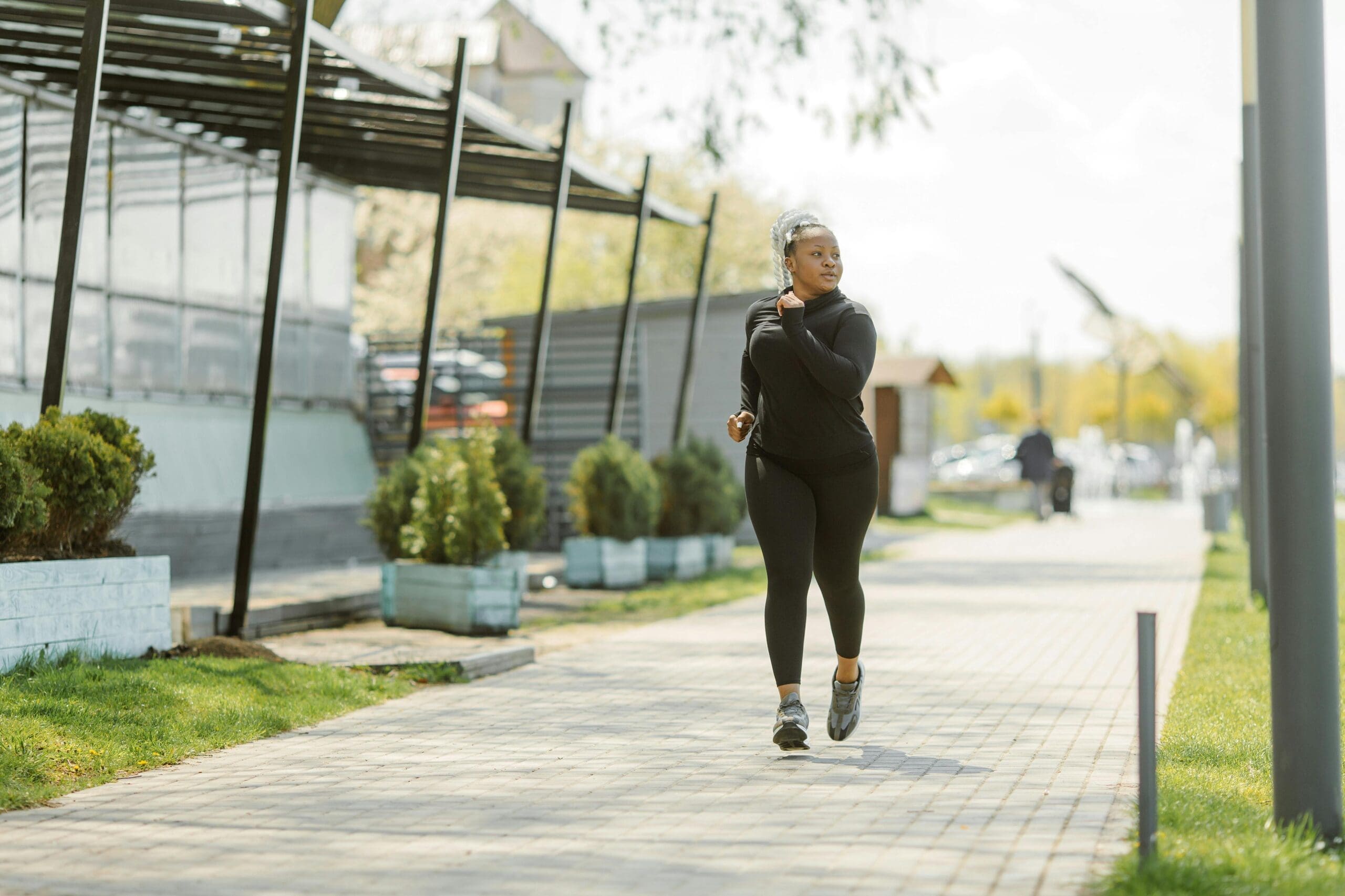
If you’ve ever laced up your shoes, stepped out the door, and immediately thought, “I am clearly not a runner,” trust me—I’ve been there. I’m two years into my running journey now, and I still have days where the first ten minutes feel like a total negotiation between my brain and my body.
My legs feel stiff, my joints haven’t quite “unlocked” yet, and my brain starts listing all the reasons why I should probably just go back inside. Even though I run at least one 5K race every single month, that first mile still tries to lie to me. If you’re feeling the “first-mile suck,” here is the truth about why it happens and how I personally push through to the “good part.”
The Biology of the “Suck”: Why Your Body Lies to You
The reason that first mile feels like a betrayal isn’t that you’re out of shape. It’s actually a biological transition period. I’ve noticed that when I just jump right into a run without a thought, it feels like hell. Understanding what happens under the hood makes it much easier to ignore that impulse, which is a central theme in running mindset books that explore how the brain regulates physical fatigue.
The 10-Minute Lung Lag
When I start a run, my muscles immediately demand a huge influx of oxygen. However, my heart and lungs take a few minutes to realize the “emergency” and ramp up production. I usually feel my lungs finally “open up” and adjust to the demand right around the 1.5-mile mark. There’s no perfect science for it, but for me, that’s the moment the breathing finally feels natural.
Waking Up Stiff Joints
Unless you’re made of rubber, your joints start out stiff. I’ve found that in those first 10 minutes, I’m really just getting comfortable. As I connect my feet to the ground and start to feel my stride, things finally start to open up. Until that happens, every step can feel a little heavy and uncoordinated.
Reality Check: The first mile isn’t a reflection of your fitness. It’s just your body’s “loading screen.” Don’t hit alt-f4 before the game even starts.
Can the First Mile Actually Feel… Good?
It’s not every day that the first mile feels like a fight. Every once in a while, I step outside and everything feels like I’m gliding on air from the very first step. These “unicorn runs” aren’t random, though. When I look back at my best starts, they almost always happen because I hit the “holy trinity” of preparation:
- Sleep: I actually prioritized getting 7–8 hours of rest.
- Nutrition: I fueled properly the night before (not just a cup of coffee and a prayer).
- The Warm-Up: I didn’t just bolt out the door. I gave my body a 10-minute transition to wake up.
Hacks I Use to Survive the First 1,600 Meters
If you’re currently in the “negotiation phase” of your running journey, here are three things I do to make sure I actually make it to the second mile.
1. The 10-Minute Buffer Rule
I’ve learned the hard way that jumping right into a run is a recipe for a bad time. My body usually tells me immediately when I haven’t warmed up enough.
Now, I incorporate a dynamic warm-up or a brisk walk before I start my watch. It allows my joints to warm up naturally, making that “ground connection” feel a lot smoother.
2. Distract the Brain with Playlist Power
When my brain is telling me to quit, I give it something else to do. I’m a huge believer in the power of a good song or a curated playlist. When I’m struggling through those first 10 minutes, a high-energy track helps me feel better and keeps me from focusing on the temporary burn in my lungs.
3. The Gear Factor: Finding the “Squish”
I’ve found that the shoes I wear can either fight my first mile or help me through it. Personally, I’m a fan of shoes with a lot of “stability and bounce”—it’s why I love my Brooks Ghost 17s. Having that extra “squish” under my feet during those stiff first minutes makes the physical impact feel less daunting and helps me mentally push through.
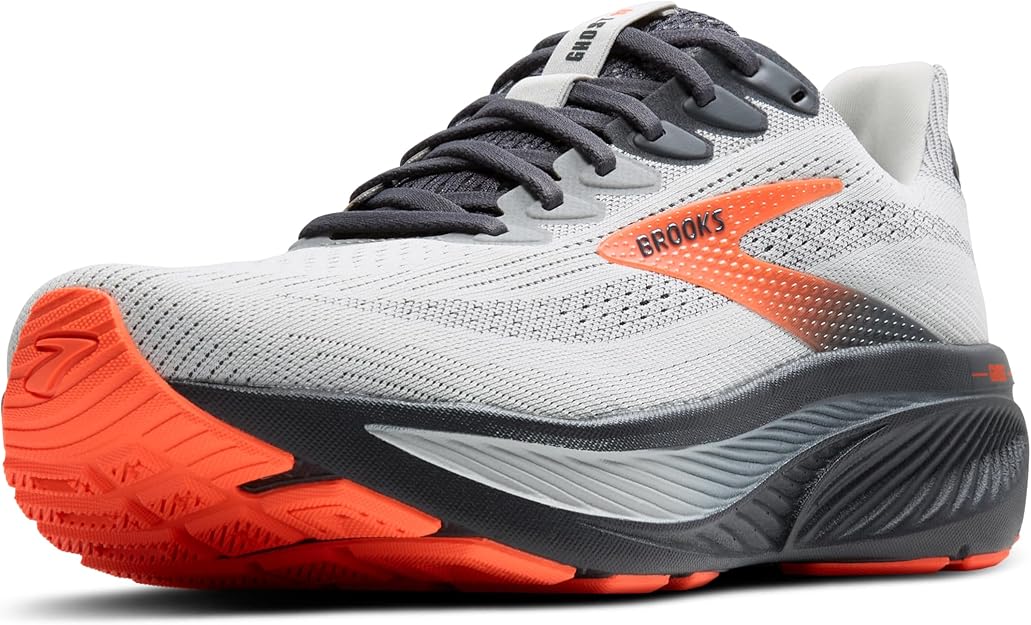
Brooks Ghost 17
Pro Tip: Match the shoe to the run. If I’m doing a casual training run but wearing stiff, aggressive interval shoes, I notice a huge performance loss. It makes the run feel harder than it needs to be.
Race Day Nerves vs. The Daily Miles
It’s funny how a starting line changes things. On my monthly 5K race days, I rarely feel that “first-mile suck.” I’m usually so amped with excitement and race day nerves that I don’t feel tired at all when the gun goes off.
But on a random Tuesday morning in the Florida humidity? I don’t have that adrenaline. I only have my discipline. On those days, the heat makes the air feel heavy, and I have to remind myself that the struggle is temporary. The first mile in 90% humidity is a different beast, but the rule remains the same: it will get better once you find your rhythm.
My Advice: Trust the Second Mile
The next time you’re 8 minutes into a run and you feel like quitting, tell yourself: “The first mile is a lie.” Your lungs haven’t opened up yet, your joints are still “loading,” and your brain is just being dramatic.
Give it some time and try to relax while you run through the stiffness. Once you hit that 2-mile mark and your rhythm clicks, you’ll remember why you love this sport in the first place.
Frequently Asked Questions (FAQs)
Why do my lungs burn in the first mile?
This is often “oxygen debt.” Your muscles are working harder than your resting lungs are currently supporting. I usually find this evens out after about 1.5 miles.
How long should I warm up?
I recommend at least 5–10 minutes. Your body will tell you when your joints are loose and you’re ready to pick up the pace.
Why is my heart rate so high right at the start?
Your heart is working hard to catch up to the sudden physical demand, especially if you start off fast. Once your aerobic system stabilizes, you’ll see your heart rate level out.
Is it okay to walk during the first mile?
Absolutely. I often start with a very brisk walk to “connect” with the ground before I start my actual running stride. It’s better to walk the first mile than to quit before the second.
What if I get a side stitch early on?
Side stitches/cramps in the first mile are usually a sign of shallow breathing. Slow your pace, focus on deep belly breaths, and let your core relax.
Does running ever get easier?
Yes! Once you recognize the pattern of the “first mile lie,” you can mentally prepare for it and wait for that “flow state” to kick in.
