

I used to avoid stability shoes like the plague. For a long time, the word “support” was just code for running in a pair of clunky shoes that treated your feet like they were in a court-ordered cast. It was never fun.
If you needed stability, you just accepted that your runs were going to feel a bit more like a chore and a lot less like a hobby.
Thankfully, that entire era of running shoe design is a distant memory at this point in 2026.
Modern stability has finally moved away from “fixing” your foot and toward “guiding” your stride. Instead of using hard plastic to block your movement, brands are now using clever design—wider platforms, cradled midsoles, and responsive foams—that work with your natural mechanics. These shoes are bouncy enough for a weekend 5k but stable enough to save your joints when your legs get heavy at the end of a long training week.
I’ve spent the last year researching and testing the major support shoe releases to find the ones that actually deliver on that promise. Whether you overpronate, supinate, tackle technical trails, or just want to stay injury-free, these are the shoes setting the pace right now.
Best Stability Running Shoes
- Best Overall Adaptive Support: ASICS GEL-Kayano 32
- Best for Energy Return: Saucony Hurricane 25
- Best for Speed & Performance: Saucony Tempus 2
- Best For High Mileage Training: Brooks Adrenaline GTS 25
- Best for Max Cushion Support: HOKA Gaviota 6
- Best Responsive Support: Saucony Guide 19
- Best for Stability on Trails: Saucony Peregrine 16
1. ASICS GEL-Kayano 32
Best Overall Adaptive Support
I actually have a soft spot for this series; the Kayano was the first stability shoe I ever laced up when I got injured during my first marathon training block. That injury taught me that stability isn’t a weakness but just a part of the running lifestyle. The 4D Guidance System makes the Kayano 32 better than ever at keeping your foot secure, offering smooth, adaptable support instead of the stiff stability blocks used in older models.
- Release: June 2025
- Price Tier: High

ASICS GEL-Kayano 32
- ✓4D Guidance System adjusts to your specific stride in real-time, providing stability only when needed.
- ✓FF BLAST™ PLUS ECO foam is lighter and more responsive than older formulations.
- ✓PureGEL™ in the heel provides excellent shock absorption for long, tired efforts.
PROS
- + Adaptive dynamic stability
- + Lighter overall weight
- + Superior shock absorption
CONS
- – Slightly firm ride
- – Upper runs warm
- – Limited speed versatility
The Feel: For a shoe packed with so much support tech, the Kayano 32 feels shockingly smooth and natural underfoot. It gives you that secure, locked-in confidence without sacrificing a comfortable, cushioned landing.
ASICS GEL-Kayano 32 Trending On Social
Who It’s For: Runners who require dependable stability but want a modern, cushioned feel that adapts to their gait.
KEY SPECS
2. Saucony Hurricane 25
Best for Energy Return & Joint Protection
Support shoes have a reputation for feeling sluggish. The Saucony Hurricane 25 completely flips that script. By putting their elite racing PWRRUN PB superfoam inside a stable frame, Saucony created a ride that genuinely feels atleast somewhat energetic. You get all the necessary guidance through their CenterPath Technology, but without the wobbly, unstable feeling so common in other high-stack shoes.
- Release: July 2025
- Price Tier: High
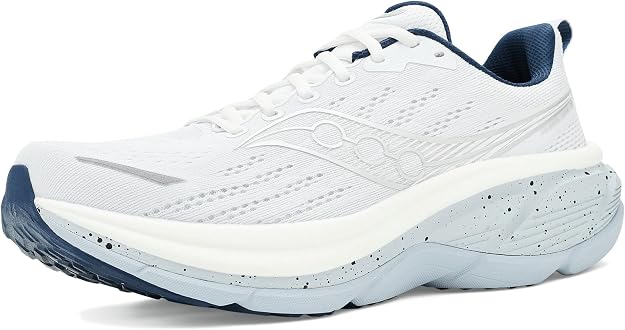
Saucony Hurricane 25
- ✓The dual-foam PWRRUN PB midsole delivers a deeply soft landing backed by a surprisingly bouncy energy return.
- ✓Saucony’s CenterPath Technology utilizes high sidewalls and a wide base to naturally support your foot without feeling restrictive.
- ✓A plush engineered mesh upper securely locks down your midfoot while providing a thick, heavily padded step-in feel.
PROS
- + Quiet natural stability
- + Bouncy plush cushioning
- + Wide accommodating base
CONS
- – Warm-running upper
- – Heavy overall weight
The Feel: This is a “squish and pop” shoe. The softer top layer handles the initial impact, while the firmer base prevents you from bottoming out or losing alignment as you get tired near the end of a long run.
Saucony Hurricane 25 Trending On Social
Who It’s For: Runners looking for maximalist cushioning, joint protection and high energy return for easy days and longer recovery efforts.
KEY SPECS
3. Saucony Tempus 2
Best for Speedwork & Fast Training
Most stability shoes just survive the miles, but the Tempus 2 is built for speed. It completely drops the weight penalty. By using a bouncy dual-foam setup, it delivers a snappy, energetic ride that stays secure no matter how hard you push the pace.
- Release: August 2024
- Price Tier: Mid-High
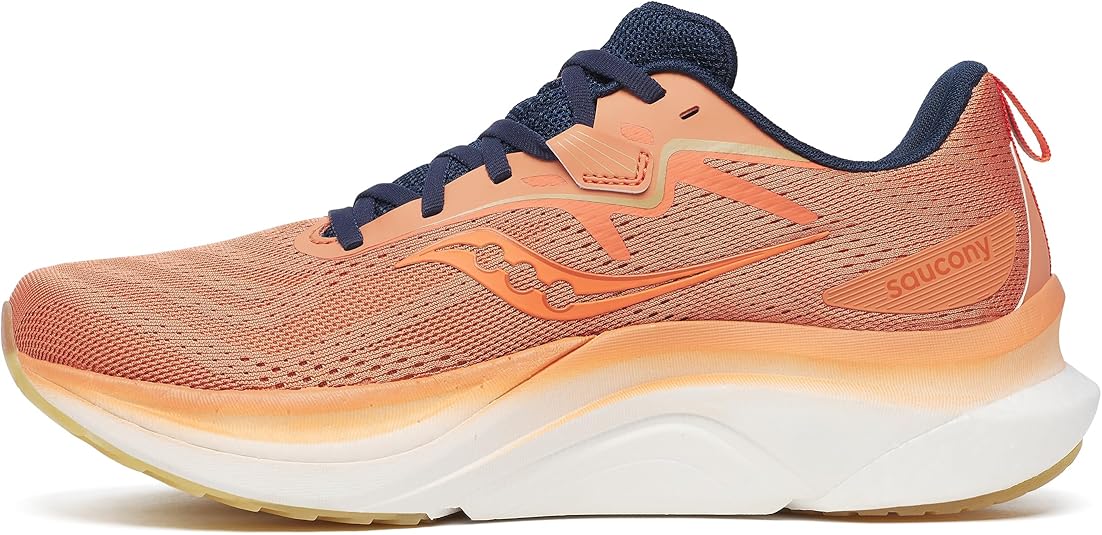
Saucony Tempus 2
- ✓The PWRRUN PB superfoam core delivers a highly responsive and energetic bounce that is rare for a stability trainer.
- ✓A firmer PWRRUN foam frame cradles your foot to provide natural alignment without the need for stiff medial posts.
PROS
- + Energetic superfoam bounce
- + Lightweight supportive ride
- + Smooth natural transitions
CONS
- – Narrow toe box
- – Firm midfoot feel
The Feel: Unlike most support shoes, the Tempus 2 feels nimble and encourages a midfoot strike. The ride is firm and responsive, only truly coming alive once you increase your cadence to faster paces.
Saucony Tempus 2 Trending On Social
Who It’s For: Runners who need support but want a fast, lightweight option for speed days and tempo efforts.
KEY SPECS
4. Brooks Adrenaline GTS 25
Best For High Mileage Training
When you’re logging heavy mileage and want zero gear distractions, this is the shoe. The 25th anniversary edition finally brings the nitrogen-infused foam upgrade, but the GuideRails® system remains the star, supporting your entire stride.
- Release: November 2025
- Price Tier: Mid
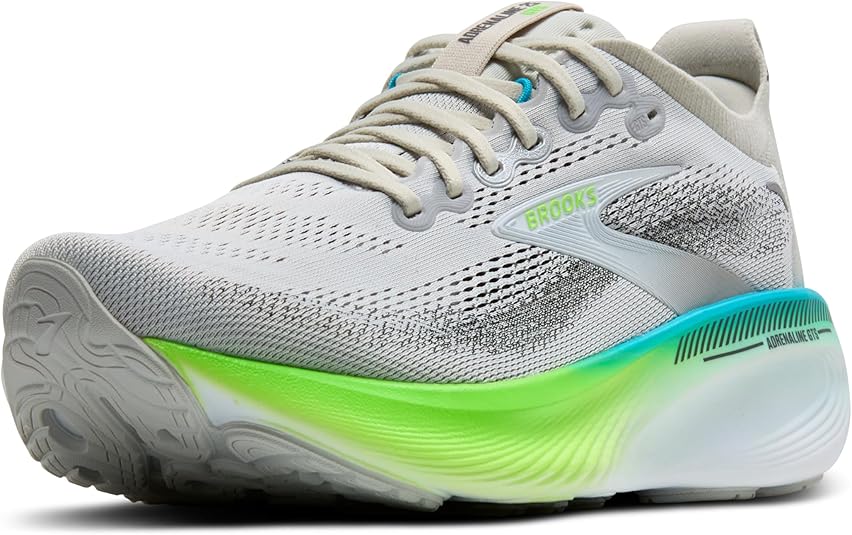
Brooks Adrenaline GTS 25
- ✓The GuideRails technology provides holistic support that keeps excess foot movement in check as your running form naturally fatigues.
- ✓A nitrogen-infused DNA LOFT v3 midsole delivers a deep, protective bed of foam to absorb harsh impacts on high-mileage runs.
- ✓An engineered air mesh upper offers a highly breathable and secure midfoot wrap with a noticeably roomy toe box.
PROS
- + Reliable natural stability
- + Roomy accommodating fit
- + Protective impact absorption
CONS
- – Lacks speed versatility
- – Heavy overall weight
The Feel: If you prefer more responsiveness over a purely structured shoe, you’ll love this update. The nitrogen foam makes it significantly softer and more energetic than previous versions, all while maintaining that reliable Brooks character and classic 10mm drop.
Brooks Adrenaline GTS 25 Trending On Social
Who It’s For: Runners and walkers who want a predictable, durable support shoe with a firm feel for easy miles and joint protection.
KEY SPECS
5. HOKA Gaviota 6
Best For Max Cushion Support
The Gaviota 6 proves that a max-cushion shoe can still be highly stable without feeling clunky. It relies on a clever H-Frame™ that interlocks firmer foam with a softer core to keep your foot from rolling inward.
- Release: January 2026
- Price Tier: High

HOKA Gaviota 6
- ✓The Enhanced H-Frame technology creates a wide, stable base that gently keeps your foot from rolling inward without using stiff plastic posts.
- ✓A compression-molded EVA foam midsole provides a thick bed of cushioning to absorb heavy impact during long walks or easy recovery runs.
PROS
- + Quiet, unobtrusive stability
- + Deep, protective cushioning
- + Roomy, accommodating fit
CONS
- – Heavy, bulky footprint
- – Firm initial break-in
- – Sluggish at faster paces
The Feel: Instead of forcing your foot into place, it smoothly guides it. You get all the squishy, compression-molded foam HOKA is famous for, making the ride feel soft and energetic rather than blocky. The lower 6mm drop and plush collar keep everything comfortable across heavy mileage.
HOKA Gaviota 6 Trending On Social
Who It’s For: Heavier runners, severe overpronators, supinators, or anyone needing a wide, rock-solid base for long hours on their feet.
KEY SPECS
6. Saucony Guide 19
Best Structured Daily Trainer
The Guide 19 is for those who want a simple, protective daily trainer that delivers on stability. This year’s version leans into CenterPath Technology, which creates a high-walled “support canoe” for your foot to sit inside. It’s a great choice if you prefer a shoe that feels like it’s guiding you forward rather than forcing you into a specific strike.
- Release: March 2026
- Price Tier: Mid

Saucony Guide 19
- ✓The updated PWRRUN foam provides a softer, deeply cushioned ride that absorbs heavy impact during your daily miles.
- ✓Center Path Technology uses higher sidewalls and a remarkably wide base to naturally guide your foot without relying on stiff, restrictive posts.
PROS
- + Smooth natural stability
- + Protective cushioning
CONS
- – Heavy overall weight
- – Lacks energetic pop
The Feel: The Guide 19 feels softer than previous versions but carries more bulk. It doesn’t have the pop of the Hurricane or Tempus, but it offers a very stable, safe ride that feels best at consistent, easy paces where you just want to log miles without worry.
Saucony Guide 19 Trending On Social
Who It’s For: Runners looking for a straightforward, supportive daily trainer with a wider base and comfortable upper for everyday training.
KEY SPECS
7. Saucony Peregrine 16
Best for Stability on Trails
Trail stability is a different beast entirely. You aren’t just fighting your own mechanics; you’re fighting loose rocks, wet roots, and uneven mud. The Peregrine 16 is a massive upgrade this year because Saucony finally added 4mm of extra stack height without making the shoe feel “tippy.” It now features a full-length Vibram® Megagrip outsole, which is the gold standard for staying upright when things get slippery.
- Release: January 2026
- Price Tier: Mid

Saucony Peregrine 16
- ✓The Vibram Megagrip outsole provides elite-level traction that confidently bites into slick mud and wet rocks.
- ✓An additional 4mm of PWRRUN foam cushioning softens the impact of long trail miles while maintaining a nimble ground feel.
- ✓A reinforced toe bumper combined with a durable mesh upper securely locks down your foot while deflecting trail debris.
PROS
- + Elite Vibram traction
- + Nimble agile ride
- + Protective trail upper
CONS
- – Firm underfoot feel
- – Tricky narrow sizing
The Feel: The Peregrine 16 feels nimble and aggressive. The extra padding is a life-saver for your legs on long trail days, but the shoe still has that signature “ground feel” that gives you the confidence to bomb downhills without rolling an ankle.
Saucony Peregrine 16 Trending On Social
Who It’s For: Trail runners who want a stable, low-drop shoe that can handle technical terrain, mud, and long hours in the mountains.
KEY SPECS
Frequently Asked Questions (FAQs)
What are stability running shoes?
Stability shoes are specially designed footwear built to provide additional support in the midsole to help guide the foot toward a more neutral position. They often feature firmer foam on the inner edge or specialized structures like frames and guide rails to prevent excessive rolling without restricting natural motion.
How do I know if I need stability shoes?
The most reliable sign is experiencing overpronation, where your foot rolls excessively inward as it hits the ground. You can check your current shoes: if the inside (medial side) of the sole is significantly more worn than the outside, or if your wet footprint shows your entire sole (flat feet), you likely benefit from stability tech.
Are stability shoes just for overpronators?
No. Modern stability designs like the HOKA Gaviota 6 or ASICS 4D Guidance System work for supinators (outward roll) and even neutral runners. Many neutral runners use “adaptive” support for long distances because form tends to become less efficient as muscles fatigue.
What is the difference between “Stability” and “Motion Control”?
Stability shoes are for mild-to-moderate overpronation and feel close to neutral shoes with extra guidance features.
Motion Control shoes are for severe overpronation or completely flat feet; they are typically wider, stiffer, and use robust frames to lock the foot in place.
Are stability shoes only for beginners or injured runners?
Not at all. Plenty of high-performance athletes log the majority of their miles in supportive shoes to ensure they stay healthy during high-mileage blocks. Performance comes from consistency and efficiency; if a supportive shoe keeps you comfortable, it will help you perform better in the long run.
Can stability shoes help with plantar fasciitis?
Yes. By providing structured arch support and limiting the excessive motion that stretches the fascia, stability shoes can reduce strain on the tendons. Podiatrists frequently recommend shoes like the Brooks Adrenaline GTS for managing this condition.
How long do stability running shoes last?
Most premium trainers last between 300 and 500 miles. However, because stability is often built into the foam architecture, you may notice the “support” feel fading before the tread actually wears out. If you feel new aches in your knees or shins, it might be time for a fresh pair.
