

For some runners, a 5k is a casual weekend jog. For others, it’s 3.1 miles of absolute maximum effort. I recently hit a personal record with a 19-minute finish—a massive jump from the 25-minute mark where my journey started. While building strength was the foundation of that progress, finding the right shoe was the final piece of the puzzle.
When pushing the pace, a 5k becomes a fight for oxygen while trying to hold on tight until the finish line. While a maximum stack marathon shoe is brilliant for saving tired legs at mile 22, it often brings a bit too much foam to a short, explosive race. Deep, sinking cushion can sometimes work against a fast turnover, whereas a shoe that snaps back and stays completely stable makes a world of difference.
For those hunting for a reliable daily driver, our guide to the best running shoes is a great place to start. But when race day rolls around, having footwear built specifically for speed can be the difference when trying to set a PR. Over the last few months, we’ve taken the newest releases to the track and local road 5k races to find the ones that genuinely are the best. Before race morning, you can convert kilometer splits to miles with our Miles to Kilometers Converter, or pair your race shoes with a non-plated tempo trainer like the one in our Nike Pegasus Plus review.
What Are The Best 5k Running Shoes? Our Top Picks:
- Best for Setting a PR: On Cloudboom Volt
- Best for Energy Return: Nike Vaporfly 4
- Best Budget Friendly Racing Shoe: Skechers Aero Razor
- Best for Beginners: Hoka Mach 7
- Best for Pure Speed (Ultralight): Nike Streakfly 2
Best for Setting a PR
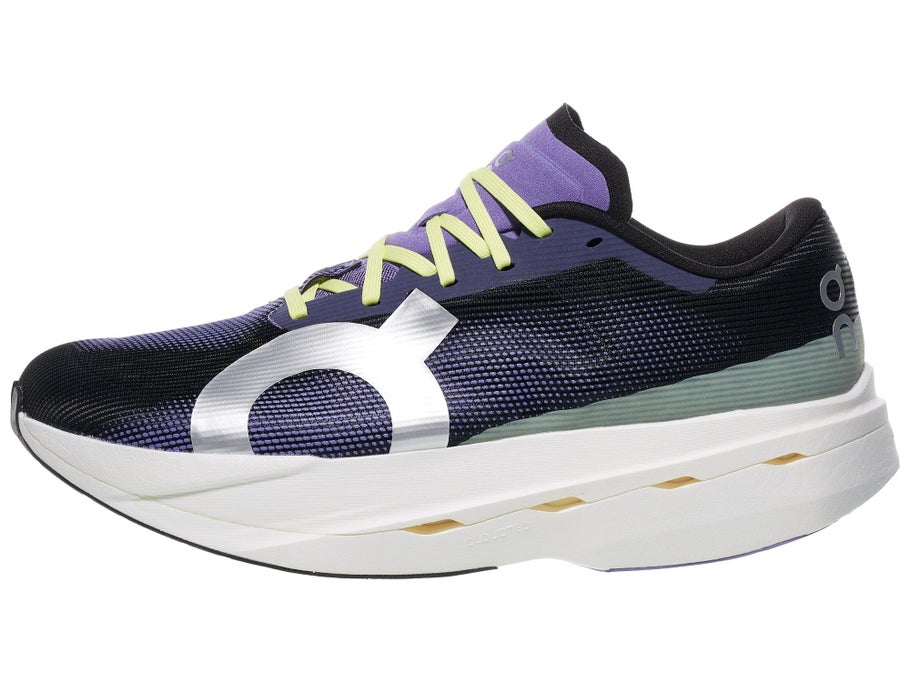
On Cloudboom Volt
- ✓High-Performance Helion HF: Utilizes Pebax foam and a Carbon Speedboard to deliver explosive energy return and maximum propulsion.
- ✓Ultra-Lightweight Recycled Mesh: The breathable upper keeps the total weight at just 210g for a fast and airy feel.
- + Extremely lightweight
- + High energy return
- + Sustainable upper
- – Pricey
- – Limited color options
The Cloudboom Volt is the most recent carbon plated racing shoe option from On. It uses a dual layer Helion HF hyper foam setup that delivers a very responsive ride. It is built around a stiff carbon Speedboard that forces your foot through the gait cycle. It is a shoe for runners who stay on their toes and want a shoe that moves quickly.
The Feel: Firm and fast. The dual density foam provides a distinct pop rather than a soft sink in, and the aggressive forefoot rocker makes it feel like you are being tipped forward. In my opinion it is even more aggressive than the previous On Cloudboom Echo 3 (the shoe I used to break 20 mins in the 5k).
Best For
Competitive runners hunting a sub 20 minute PR who want a high propulsion rocker.
Skip It If
Heel strikers or runners who prefer a natural, flexible ride. The geometry is rigid and can feel awkward at slower paces.
Ideal Pace Range
Sub 20 minutes (Faster than 6:26 per mile).
Best Course Type
Flat, straight out and back routes. The aggressive rocker is built for straight line speed rather than navigating tight switchbacks.
Best for Energy Return
Nike Vaporfly 4
- ✓ZoomX Foam: Delivers industry-leading energy return and impact protection for a faster, more efficient run.
- ✓Full-length Carbon Fiber Plate: Creates a stiff, propulsive sensation to maximize forward momentum.
- ✓Ultra-lightweight Flyknit construction: Minimizes bulk at just 6.7 oz while providing a secure, highly breathable fit.
- + Extremely lightweight
- + Superior energy return
- + Highly propulsive
- + Breathable upper
- – Limited durability
- – Unstable
Nike changed the Vaporfly for version 4 to better suit shorter distances. They shaved the stack height down to 35mm and dropped the offset to 6mm, making it one of the lightest Vaporfly’s yet. By trimming the foam, they created a ride that feels connected to the road while utilizing that ZoomX foam and a carbon Flyplate to make the shoe feel incredibly bouncy and energetic.
The Feel: Snappy and light. The lower stack height makes it more stable through tight turns than the previous version, while the firmer ZoomX tuning provides a more immediate response.
Best For
Racers who want high energy return and lightweight profile for fast finish times.
Skip It If
Runners with wide feet or those who need arch support. The midfoot is very narrow.
Ideal Pace Range
15 to 22 minutes (4:50 to 7:05 per mile).
Best Course Type
Road city courses. It’s worth noting that the lowered 35mm stack height makes it much more stable through standard intersection turns than previous versions.
Best Budget Friendly Racing Shoe
Skechers Aero Razor

- ✓HYPER BURST PRO Midsole: Delivers an ultra-lightweight, highly responsive ride.
- ✓Forefoot Nylon H-Wing: Provides a fast, snappy transitions and a stable, efficient toe-off.
- ✓Features a minimal 4mm heel-to-toe drop and an ultra-light 6.9 oz weight for a nimble, connected road feel.
- + Highly responsive foam
- + Snappy forefoot plate
- + Amazing grip
- + Budget friendly
- – Narrow toe box
At roughly $140, the Skechers Aero Razor is the best budget 5k racer that does not sacrifice tech. It features Hyper Burst Pro supercritical foam and a carbon infused H Wing plate in the forefoot. While other brands charge nearly $200 for plated shoes, Skechers built a sleek, low to the ground racing shoe that excels at a budget price point.
The Feel: Low, fast, and stable. The Goodyear outsole provides high grip on wet pavement, and the Skechers Aero Razor feels more grounded than high stack competitors.
Best For
Budget conscious runners who want lightweight racer for 5k and 10k distances.
Skip It If
Runners who want a squishy or plush step in feel. This shoe is built for ground feel and firm response.
Ideal Pace Range
20 to 30 minutes (6:26 to 9:40 per mile).
Best Course Type
Highly technical or wet courses. If your local 5k has wet pavement, sharp 90 degree turns, or U turns, the Goodyear outsole and grounded stance will save you seconds on every corner.
Best for Beginners
Hoka Mach 7

- ✓Supercritical EVA Midsole: Delivers an exceptionally responsive and energetic ride.
- ✓Highly breathable upper with a secure fit while maintaining a neutral support profile for a balanced and comfortable experience.
- + Extremely lightweight
- + Responsive cushioning
- + Versatile daily trainer
- – Runs narrow
- – No carbon plate
The Mach 7 is a super trainer that works as a race day option for those not hunting a podium (although if you have the fitness you can certainly still podium with these shoes). It does not have a plate, which makes it more forgiving on the calves for newer runners. It uses a dual density supercritical EVA foam that is lively enough for a 5k race but durable enough for weekly speed workouts and daily training.
The Feel: Smooth and energetic. It lacks the harshness of a plated shoe but feels lighter and faster than a traditional daily trainer like the Hoka Mach 6.
Best For
Runners in the 25 to 35 minute range who want one shoe that handles both training and race day.
Skip It If
Elite racers looking for the aggressive snap of a carbon plate.
Ideal Pace Range
25 to 35+ minutes (8:00 to 11:15 per mile).
Best Course Type
Community park runs. It handles transitions from asphalt to concrete to light gravel boardwalks easily, thanks to its wider base.
Best for Pure Speed (Ultralight)
Nike Streakfly 2

- ✓Weighing just 5.1 ounces, this shoe minimizes fatigue to help you maintain top speed during intense road races.
- ✓The high-performance ZoomX midsole foam provides exceptional energy return and a bouncy feel with every stride.
- ✓Integrated full-length carbon fiber plate offers a snappy, stiff transition that drives you forward with efficiency.
- + Extremely lightweight
- + High energy return
- + Snappy propulsion
- – Minimalist design
- – Less durable
- – Injury prone
The Streakfly 2 is the lightest shoe on this list at 5.1 oz. Version 2 added a full length carbon Flyplate to the ZoomX foam, making it a super flat purpose built for the 5k. It is low, extremely fast, and built for elite turnover.
The Feel: Firm and direct. The ZoomX foam protects your legs, but the focus is entirely on ground feel and blistering fast turnover.
Best For
Elite and sub elite runners who want to feel the road while they sprint at sub 5:30 paces and dislike high stack heights.
Skip It If
Anyone who needs impact protection or a highly structured upper for cornering. If you have a history of running injuries, stay away.
Ideal Pace Range
Sub 17 minutes (Faster than 5:30 per mile).
Best Course Type
Track 5ks and flat, straight road courses. Because the upper is so minimal, it lacks the lockdown needed for aggressive cornering. You want long straightaways where you can just open up your stride.
Why More Foam Isn’t Always Faster in the 5k (The Alphafly Trap)
Expensive marathon shoes like the Nike Alphafly or the Adidas options are not always the fastest choice, especially for the 5k distance. Those shoes are engineered for the marathon, where the priority is leg preservation over 26.2 miles.
In a 5k, that extra foam becomes a liability. It adds unnecessary weight and creates a high center of gravity that makes turns feel unstable at faster speeds. You are better off saving $100 and buying a dedicated 5k racer (like the ones on this list).
Chase Down Your Next 5k PR
Whether you’re hunting for a sub-20 minute 5K or grinding toward a 3:30 marathon finish, get a personalized roadmap that adapts to you. Generate a custom 5K, 10K, Half, or Marathon training plan in seconds—completely free.
5k Race Tactics & Tips
1. Handling Corners
Most 5k courses are riddled with U turns and sidewalk transitions. To stay fast, you need to apex your turns—aim for the shortest path through the corner—but you can only do that if your shoes have a stable base.
2. The First Mile Trap
Adrenaline makes the opening mile feel effortless, causing many runners to accidentally redline and burn out early. Consciously hold back your pace by 5 to 10 seconds for that first mile so you have the aerobic capacity to attack the grueling third mile.
3. Decisive Passing
Lingering on another runner’s shoulder wastes mental and physical energy. When you decide to make a move, drop your hands slightly to relax your shoulders, accelerate briskly for 10 to 15 strides to fully clear the runner, and immediately settle back into your goal rhythm.
4. Activating the Final Kick
With a half-mile to go, your legs will inevitably feel heavy, so shift the mechanical workload to your upper body. Drive your elbows straight back aggressively; your leg turnover will naturally speed up to match your arm cadence, helping you power through the finish line.
Frequently Asked Questions (FAQs)
Do I need to break in my 5k racing shoes?
Yes, but only for one or two runs. This ensures the lockdown is right and there are no hot spots (The golden rule: always try on your shoes before you race in them). Also, since most super foams have a limited pop life, it is best to save that energy for race day.
Is a carbon plate worth it for a 25 minute 5k?
If you have the budget, yes. A plate helps maintain your running economy when your form starts to break down. If you find plated shoes too stiff, a shoe like the Hoka Mach 7 gives you similar benefits without the harsh ride.
What socks should I wear for a 5k race?
Lightweight and breathable socks are better, like from Feetures. Racing shoes have low internal volume, and thick socks will make the shoe feel cramped and can lead to blisters when cornering at high speeds.
Should I warm up in my racing shoes?
Yes! I always warm up in the shoes I’m going to run in. This helps adjust your legs and prepare yourself for the race.
How do I know if my shoes are worn out?
Check the shoe wear patterns. If the foam feels dead or does not bounce back, the foam has likely lost its effectiveness. For most 5k running shoes, this happens between 150 and 200 miles.
