
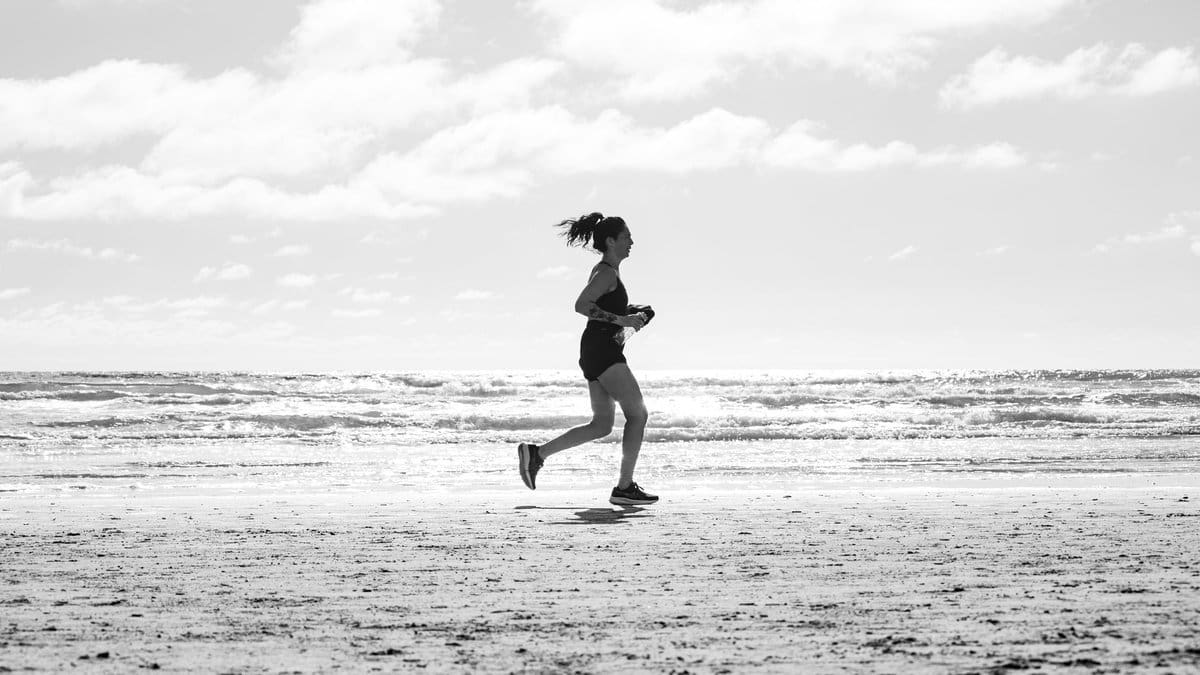
Lacing up for your first running routine is exciting, but browsing shoe catalogs can feel overwhelming when you’re just getting started. Between carbon plates, rocker profiles, and dozens of specialized foam compounds, it’s easy to overcomplicate your first purchase.
The secret to successful beginner running isn’t buying the most expensive racing model on the shelf. What you really need is a forgiving, versatile trainer that dampens pavement vibration, lets your foot roll naturally, and keeps your joints happy as your body adapts to aerobic mileage. Whether you’re starting a walk-to-run routine or training for your first 5K, here are the best beginner running shoes engineered to build your confidence and consistency.
Best Running Shoes for Beginners: Our Top Picks
- Best Overall Daily Trainer: Brooks Ghost 18
- Best Versatile Everyday Trainer: Nike Pegasus 42
- Best Plush & Lightweight Ride: ASICS Gel-Cumulus 28
- Best Max-Cushion Comfort: HOKA Clifton 10
- Best Gentle Stability for Beginners: Brooks Adrenaline GTS 25
- Best Responsive Daily Trainer: Saucony Ride 19
Best Overall Daily Trainer
Brooks Ghost 18

- ✓DNA LOFT v3 nitrogen-infused foam provides balanced, resilient impact cushioning
- ✓Generous 10mm heel drop relieves strain on unconditioned calves and Achilles tendons
- ✓Engineered double jacquard air mesh offers secure midfoot lockdown with ample toe room
PROS
- + Extremely durable construction
- + Balanced protective cushioning
- + Accommodating step-in fit
CONS
- – Moderate overall flexibility
- – Traditional firm feel
The Brooks Ghost 18 review highlights why this model remains the benchmark daily trainer recommended by specialty running shops across the globe. It strikes a textbook balance between soft impact protection and structured road feel, ensuring you won’t feel like you’re wobbling on a marshmallow during easy runs. The nitrogen-infused DNA LOFT v3 midsole absorbs harsh asphalt shocks effortlessly, keeping your knees and shins fresh through weekly mileage progression.
With a 10mm heel drop, the Ghost 18 shifts initial loading away from tight calves and Achilles tendons, making it remarkably forgiving for newcomers whose lower legs haven’t adapted to continuous running. The RoadTack rubber outsole provides dependable grip in wet conditions and holds up to hundreds of abrasive pavement miles. If you want a dependable, no-nonsense starter shoe that gets the job done without fuss, this is the gold standard.
- Why it wins: It delivers predictable underfoot protection and an accommodating fit that works well for almost every foot shape.
- Key Feature: Refines the nitrogen-infused DNA LOFT v3 midsole for smoother transitions and added step-in softness.
- Best For: New runners who want a dependable, balanced neutral daily trainer with outstanding outsole longevity.
Best Versatile Everyday Trainer
Nike Pegasus 42

- ✓ReactX midsole foam delivers 13 percent higher energy return with a reduced carbon footprint
- ✓Dual Air Zoom units in heel and forefoot provide lively, responsive toe-offs
- ✓Waffle-inspired rubber outsole provides exceptional multidirectional traction on roads and tracks
PROS
- + Versatile everyday performance
- + Responsive Air Zoom bounce
- + Exceptional outsole traction
CONS
- – Slightly snug toe box
- – Moderate overall weight
Known as one of running’s most dependable choices, the Nike Pegasus 42 is exceptionally versatile for anyone just taking up the sport. Whether you’re running neighborhood sidewalks, jogging on an indoor treadmill, or using it for gym warm-ups, the Pegasus handles every task with ease. The ReactX foam compound gives you a resilient, springy step that makes jogging feel energetic without sacrificing underfoot stability.
Inside the midsole, independent Air Zoom units in both the heel and forefoot absorb foot strikes smoothly while propelling your foot into your next stride. The durable waffle rubber outsole clings securely to slick wet pavement, painted road lines, and gravel park paths. Runners with narrower to average-width feet will appreciate the glove-like midfoot wrap, though wider feet may want to consider wide sizing.
- Why it wins: It pairs energetic ReactX cushioning with dual Air Zoom pods for an unbeatable combination of durability and pop.
- Key Feature: Features an updated ReactX midsole formulation and refined midfoot band for a more secure fit.
- Best For: Beginners looking for an athletic, versatile daily shoe that excels at road running, treadmill workouts, and gym training.
Best Plush & Lightweight Ride
ASICS Gel-Cumulus 28

- ✓FF BLAST MAX foam provides cloud-soft underfoot cushioning with remarkable energy rebound
- ✓Internal PureGEL silicone heel unit absorbs heavy heel impacts smoothly
- ✓FLUIDRIDE outsole rubber delivers lightweight, quiet road transitions
PROS
- + Remarkably soft step-in
- + Impressively lightweight build
- + Breathable engineered mesh
CONS
- – Less structured lateral support
- – Lacks snappy toe flex
If you want your first running shoe to feel like walking on pillows from the moment you step in, the ASICS Gel-Cumulus 28 delivers in spades. Sitting just below ASICS’ max-cushion Nimbus line, the Cumulus packs high-end comfort into a noticeably lighter 9.1-ounce chassis. The FF BLAST MAX midsole foam compresses smoothly under your foot, neutralizing the jarring vibrations of concrete sidewalks so your legs feel fresh day after day.
Tucked inside the rearfoot, ASICS’ PureGEL technology dampens heavy heel landings without adding rigid plastic plates or bulky weight. The upper is exceptionally soft against the foot, featuring a padded heel collar and an accommodating toe box that lets your toes spread out naturally as you push off. For beginners who want top-tier cushioning without feeling weighed down, the Cumulus 28 is a pure joy to run in.
- Why it wins: It offers nearly max-cushion plushness at an accessible price and a remarkably lightweight 9.1 oz footprint.
- Key Feature: Introduces FF BLAST MAX cushioning for a softer underfoot feel and enhanced bounce.
- Best For: New runners who want a velvety-soft, lightweight trainer that softens every foot strike.
Best Max-Cushion Comfort
HOKA Clifton 10

- ✓Generous 42mm stack of compression-molded EVA foam provides maximum shock absorption
- ✓Early-Stage Meta-Rocker guides your foot into an effortless forward roll
- ✓Inherent stability geometry with an active foot frame cradles your heel deep within the midsole
PROS
- + Maximum impact dampening
- + Effortless rocker roll
- + Plush padded tongue
CONS
- – High stack feels tall
- – Narrower midfoot profile
The Hoka Clifton 10 review illustrates why HOKA has become a household name among beginning runners looking for maximum road protection. It surrounds your foot in a deep cradle of compression-molded foam, dampening road impacts so you can focus on building endurance without joint soreness. Instead of feeling clunky, its curved Early-Stage Meta-Rocker gently tips you forward into your next stride, doing much of the transition work for you.
Unlike traditional flat-soled shoes, HOKA sits your foot deep within an active foam bucket rather than on top of it. This provides surprising natural stability without relying on rigid medial posts that can feel intrusive. If you’re tackling your first walk-run intervals or building up to a continuous 3-mile loop, the Clifton 10 wraps your feet in protective luxury.
- Why it wins: It delivers high-stack shock dampening combined with an intuitive rocker transition that makes running feel easier.
- Key Feature: Features an updated 42mm heel stack with refined creel jacquard mesh for better breathability.
- Best For: Beginners seeking maximum underfoot foam protection and a gentle rocker geometry that reduces foot fatigue.
Best Gentle Stability for Beginners
Brooks Adrenaline GTS 25

- ✓GuideRails holistic support system keeps excess knee and ankle movement in check
- ✓DNA LOFT v3 nitrogen-infused foam delivers plush, durable shock absorption
- ✓Engineered air mesh upper provides structured midfoot security with a plush heel collar
PROS
- + Unobtrusive holistic guidance
- + Smooth nitrogen cushioning
- + Secure heel lockdown
CONS
- – Heavier than neutral shoes
- – Firm medial guidance
When you first start running, the stabilizing muscles around your ankles and lower legs tend to fatigue before your lungs do. As you get tired, your arch may collapse inward, leading to aching shins or sore knees. The Brooks Adrenaline GTS 25 is designed specifically to prevent this breakdown using Brooks’ GuideRails system. Rather than using an aggressive, rigid plastic wedge under your arch, GuideRails acts like gentle bowling bumpers along the edges of your heel to keep your joint alignment straight.
Paired with a nitrogen-infused DNA LOFT v3 midsole, the Adrenaline GTS 25 provides the same plush comfort as top neutral trainers while offering reassuring support when your form wavers. If your gait check shows inward ankle rolling or you want extra structural peace of mind, this shoe is widely recognized as one of the best stability running shoes on the market.
- Why it wins: Its GuideRails technology provides smart, non-intrusive stability that only steps in when your form breaks down.
- Key Feature: Upgrades to full-length nitrogen-infused DNA LOFT v3 foam with updated engineered air mesh.
- Best For: New runners who overpronate or notice their ankles collapsing inward as fatigue sets in toward the end of runs.
Best Responsive Daily Trainer
Saucony Ride 19

- ✓Full-length PWRRUN+ bead-foam midsole offers lightweight, springy energy return
- ✓Broad, balanced platform provides natural stability on variable road camber
- ✓XT-900 carbon rubber outsole delivers durable traction across asphalt and crushed gravel
PROS
- + Lively energetic bounce
- + Lightweight 9.0 oz frame
- + Roomy breathable toe box
CONS
- – Less plush step-in
- – Firm forefoot feel
For beginners who want a shoe that feels lively and snappy underfoot rather than ultra-soft, the Saucony Ride 19 is an exceptional choice. Powered by a full-length slab of Saucony’s expanded TPU bead foam (PWRRUN+), the Ride 19 delivers a bouncy, energetic ride that encourages your feet to turn over smoothly. Weighing in at just 9.0 ounces, it feels nimble and agile on the road, making every mile feel fun and effortless.
The shoe features a broad, balanced base that provides steady footing on uneven sidewalks and turns. Up top, the breathable engineered mesh upper hugs the midfoot comfortably while offering plenty of horizontal toe wiggle room. If you want a lightweight daily trainer that can easily transition from easy recovery jogs to faster 5K training paces, the Ride 19 is a stellar all-around partner.
- Why it wins: Its expanded TPU PWRRUN+ foam delivers outstanding energy return and durability without adding extra weight.
- Key Feature: Refines the PWRRUN+ midsole formula for an even lighter weight and smoother heel-to-toe transition.
- Best For: Beginners who want a lightweight, energetic daily trainer with plenty of responsive bounce.
How to Choose the Best Running Shoes for Beginners
How Cushioning & Stack Protect Novice Joints
When you transition from walking to running, ground impact forces jump to roughly two to three times your body weight with every stride. Your bones, tendons, and calf muscles need several weeks to adapt to these new repetitive loads. Choosing a shoe with balanced midsole cushioning protects your lower legs from concrete vibration without feeling overly mushy or unstable. Learning about running shoe stack height will help you find a balanced platform with enough protective foam for daily road miles so you won’t feel disconnected from the pavement.
Heel Drop & Finding Your Natural Stride
Heel-to-toe drop is the height difference between a shoe’s heel cushioning and its forefoot foam. Most traditional daily trainers sit between 8mm and 10mm of drop, which eases tension across the Achilles tendon and calf muscles. That’s a major benefit for beginners whose lower legs haven’t built elastic tolerance yet. To understand how drop influences your stride angle, check out our guide on what is heel to toe drop. Take a look at your older sneakers to see where you strike the ground, or use our Shoe Wear Pattern Analysis Tool to match your foot landing with the right shoe geometry.
Sizing Up for Natural Foot Swelling & Impact Spread
One of the most common mistakes new runners make is purchasing their everyday casual shoe size. During a 30-minute run, increased blood flow and repeated impact cause your feet to naturally swell up to a half size larger. If your toes brush against the front bumper while standing in the store, you’ll likely end up with blistered toes by mile three. Always leave roughly a thumb’s width of free space between your longest toe and the end of the shoe box, a fundamental rule detailed in our guide on how to choose running shoes.
Wrapping Up: Starting Your Running Journey on the Right Foot
Starting a running routine doesn’t require high-tech gimmicks or elite carbon-plated race shoes. Your primary goal is building consistency, and the right pair of beginner shoes is the one that disappears underfoot so you can focus on building your breathing rhythm and aerobic fitness.
Whether you prioritize the dependable balance of the Brooks Ghost 18, the bouncy do-it-all capability of the Nike Pegasus 42, or the gentle guidance of the Brooks Adrenaline GTS 25, every model on this list delivers the durability and protective cushioning new runners need. Give yourself permission to start slow, follow the run walk method when you need a breather, and you’ll enjoy the journey one stride at a time.
Frequently Asked Questions
How much should a beginner spend on running shoes?
Quality daily trainers from reputable running brands generally retail between $140 and $165. Investing in this tier ensures durable, shock-absorbing midsole foam and breathable engineered uppers that protect novice joints far better than generic lifestyle sneakers.
Should beginners start with neutral or stability running shoes?
Most new runners do best starting in a neutral shoe with a wide, stable base unless an obvious gait check shows excessive inward ankle rolling. If your arches collapse heavily under load, a gentle stability shoe with guidance rails provides supportive alignment without restricting natural motion.
How often should beginners replace their running shoes?
Daily road running shoes typically last between 300 and 500 miles. For a beginner logging 10 to 15 miles per week, a single pair will comfortably last six to eight months before the midsole foam loses its protective resilience.
Can I use cross-training or tennis shoes for running?
While cross-trainers work for short warm-up jogs at the gym, they lack the forward heel-to-toe rocker geometry and shock-absorbing foam required for sustained road impact. Dedicated running shoes are specifically built to cushion repetitive linear ground forces.
How should beginner running shoes fit?
Running shoes should feel snug and secure through the heel and midfoot, while leaving roughly a thumbnail of breathing room in front of your longest toe. Your toes should be able to splay freely without pressing against the sides or front edge.
Should beginners rotate between two pairs of running shoes?
Beginners running two to three days per week only need one dependable pair of daily trainers. Once your weekly frequency increases to four or more days, alternating between two pairs gives midsole foams time to decompress between workouts.
