

Driving away from your neighborhood for a run is one of the best ways to keep your training fresh. Whether you’re heading to a shaded forest trail, a breezy waterfront path, a weekend race, or a local run club, starting somewhere new breaks up the weekly grind.
Then reality hits. You finish six humid miles, step back to your car, and realize you didn’t bring dry clothes. Your running shoes are caked in trail mud, your socks are completely soaked, and your driver seat is clean gray upholstery. Or worse, you drive twenty minutes to a trailhead, step out into the blazing sun, and realize you’ve forgotten a hair tie, a hat, or your sunscreen.
You don’t need a rolling sporting goods store in your vehicle to solve these problems. You just need a small, intentional collection of practical essentials that live in or travel with your car. The best items aren’t expensive gadgets for the run itself. They’re the simple, inexpensive problem-solvers that save your comfort, your car seats, and your sanity when you finish.
A practical runner car kit combines durable backup gear with a grab-and-go pouch for sensitive items. Keep a quick-drying towel, dry clothes, spare socks, slip-on slides, an empty water bottle, a running hat, hair ties, and small trash bags in a trunk bin. Pack sunscreen, insect repellent, body wipes, and blister supplies in a separate pouch that comes indoors between trips so heat doesn’t degrade them. Keeping an inexpensive spare pair of shades in your glovebox (like the no-slip pair featured in our goodr sunglasses review) saves you on bright mornings.
14 Car Kit Essentials: What to Keep in Your Car
A dependable runner car kit prevents forgotten gear and makes the drive home much cleaner. Browse the fourteen essentials below, organized by where each item lives:
Permanent Trunk Bin
Grab-and-Go Pouch
How to Organize Your Kit: Bin, Pouch, and Dirty Bag
Before dumping fourteen loose items into your trunk where they’ll roll under the spare tire, set up a simple three-part system. This organization keeps clean gear separate from muddy gear and solves the problem of products that shouldn’t bake in summer heat.
- The Trunk Bin: This is a small plastic tote, fabric storage cube, or old cardboard box that lives permanently in your trunk. It holds durable, non-perishable items that don’t mind temperature swings: your towel, change of clothes, spare socks, slides, hat, hair ties, empty water bottle, and trash bags.
- The Grab-and-Go Pouch: This is a small zippered toiletry bag or pencil case for heat-sensitive items: sunscreen, insect repellent, body wipes, blister bandages, and optional drink mixes or snacks. Crucially, this pouch is an organizational tool, not an insulated cooler. It rides in the car with you on run days and comes back indoors when you get home so it doesn’t cook in a hot parking lot.
- The Dirty-Item Bag: You don’t need to buy a dedicated waterproof dry bag. Keep a few clean plastic shopping bags or small trash bags folded in your bin. When you finish a wet run, toss your muddy shoes and soaked clothes inside so your car interior stays spotless.
Make the Drive Home Less Gross
The first category focuses entirely on the moments immediately after you stop your watch. When you finish a tough workout miles from home, you don’t want to marinate in damp fabric for a forty-minute drive across town. These six items keep you comfortable and protect your car interior.
1. Dry Off With a Microfiber Towel
A dedicated towel is easily the most versatile item in your trunk. It wipes sweat from your forehead, cleans gritty mud off your shins after trail runs, and dries off rain when a sudden shower catches you in the final mile. If your shorts are damp, spreading the towel across your bucket seat keeps moisture from soaking into your car upholstery.
While an old cotton bath towel from your linen closet works fine, quick-drying microfiber is much better for car storage. Microfiber absorbs multiple times its weight in water yet packs down to the size of a water bottle, leaving plenty of room in your storage bin. Just remember that a damp towel can’t stay balled up in a dark trunk for days without smelling like mildew. Bring it inside to dry after you use it.
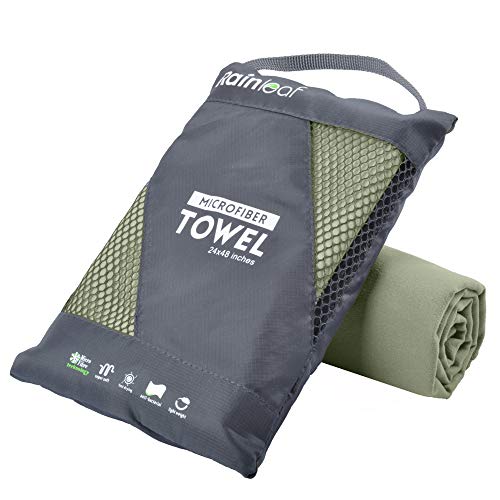
- ✓Fast-drying microfiber fabric absorbs multiple times its weight in water.
- ✓Folds down into a compact mesh carrying pouch with snap loop.
- ✓Soft suede-like texture wipes sweat without scratching skin.
- + Fast-drying lightweight weave
- + Packs down tiny in bin
- + Handy hanging loop
- – Must air-dry after use
- – Not a waterproof seat cover
2. Full Change of Clothes
Sitting in soggy running clothes during a long commute is uncomfortable, chills your muscles in cooler weather, and leads to unnecessary skin irritation. Keeping a full backup outfit in your car completely changes your post-run routine. Instead of rushing straight home, you can comfortably sit in your car, stop for groceries, or join friends for breakfast.
You don’t need to purchase a brand-new outfit for your trunk. An older, worn-in cotton race t-shirt, a comfortable pair of gym shorts or track pants, and clean underwear work perfectly. Pack the entire change of clothes inside a small zipper pouch or gallon zip-top bag to keep it fresh and clean until you need it. Once you wear it, replace it that same evening.
3. Extra Running Socks
Few things feel worse than finishing a run with soggy, muddy feet and realizing you’ve got to put your wet socks back on to drive home. Whether you stepped into an unexpected puddle, ran across dewy morning grass, or soaked your feet in summer sweat, peeling off damp socks brings immediate relief.
Keep one clean, dry pair of athletic socks in your trunk bin. If you want a dependable backup that resists friction and keeps your feet dry, our guide to running socks breaks down the most durable options available. Keep this spare pair separate from your change of clothes so you can grab fresh socks without unpacking your entire kit.
4. Slides or Recovery Sandals
Untying your running shoes and sliding into open footwear after a run is pure comfort. Your feet swell naturally during hard efforts, and keeping them trapped inside warm, sweaty trainers only prolongs foot fatigue. A simple slip-on slide lets your toes spread out, gives your arches room to breathe, and keeps your car floor clean.
You don’t need to spend ninety dollars on high-end recovery footwear to get the practical benefit. The main goal here is airflow and convenience. A simple pair of slip-on slides gives your feet a break and keeps you from having to lace damp running shoes back up just to walk into a coffee shop.

- ✓One-piece synthetic upper with soft Cloudfoam cushioning footbed.
- ✓Slip-on construction allows tired feet to breathe immediately.
- ✓Quick-drying materials hold up to wet grass and pavement.
- + Instant post-run airflow
- + Durable one-piece construction
- + Easy to hose off
- – Keep out of direct sun
- – Relaxed slide fit
5. Body Wipes
When you don’t have access to a shower after your run, body wipes are the next best thing. They remove dried salt, grime, and sweat from your face, neck, and arms before you head into public or start your drive home. They aren’t meant to replace a real shower, but they easily cut through post-workout grime so you feel clean and refreshed.
Keep your wipes in your grab-and-go pouch rather than leaving them in a hot car year-round, where high temperatures can dry out the moisture seal. Always dispose of used wipes in a trash can and never flush them.

- ✓Thick, rinse-free viscose wipes formulated to remove sweat and trail grime.
- ✓Resealable packet preserves moisture between outings.
- ✓Formulated with aloe vera and vitamin E without greasy residue.
- + Thick and durable sheet
- + Leaves zero sticky residue
- + Resealable compact pouch
- – Must keep pouch sealed
- – Dispose in trash only
6. Small Trash Bags
A simple plastic grocery bag or small trash bag is the least glamorous item in this guide, but it’s one of the most useful. After a wet or muddy run, you need somewhere to put your filthy shoes, soaked socks, and sweat-drenched singlet so they don’t soil the clean items in your trunk.
Keep three or four clean plastic bags tucked into the corner of your bin. They take up virtually no space, cost nothing, and keep mud contained until you can wash your gear at home. Whenever you get home, empty the bag into the laundry immediately rather than leaving damp clothes sealed in your trunk.
Fix the Things You Forget
The second category covers pre-run essentials. We’ve all driven to a running spot only to realize we forgot one small item that threatens to derail the entire run. Keeping these five items ready ensures you can always start your workout without turning around.
7. Backup Running Hat or Visor
Driving to a trail or park only to find direct, unshaded sunlight can make a morning run feel twice as hard. A running cap keeps glare out of your eyes, shields your face from UV rays, and keeps sweat from dripping down your forehead into your sunglasses.
Keep a spare running hat or visor stashed in your car bin. An older athletic cap you already own works great. Having a permanent backup in the trunk means you’ll never have to squint through a five-mile run just because your favorite hat stayed on the kitchen counter.

- ✓Eventure knit shell provides lightweight coverage and airflow.
- ✓Eventure terry sweatband keeps perspiration out of your eyes.
- ✓Adjustable rear buckle with ponytail opening.
- + Excellent sweat absorption
- + Machine washable and durable
- + Very light on head
- – Traditional race cap silhouette
- – Single brim style
8. Spare Hair Ties or Headband
If you have long hair, forgetting a hair tie can turn a morning run into an annoying battle against the wind. It’s a tiny oversight that causes outsized frustration, forcing you to tuck hair into collars or run with hair blowing across your face.
Toss a small pack of hair ties or an elastic headband into your storage bin. Keep them together inside a small mint tin or pill bottle so they don’t vanish into the carpet seams of your trunk. It costs almost nothing and prevents a silly mistake from ruining your workout.
9. Sunscreen
Arriving at an open waterfront or park with zero sun protection is a common running mistake. Having sunscreen ready at your vehicle lets you apply a protective layer before you take your first stride.
However, how you store sunscreen matters. The FDA requires sunscreen containers to instruct consumers to protect the product from excessive heat and direct sun. Vehicle interiors can easily exceed safe storage limits on sunny days, degrading active UV filters over time. Keep your sunscreen bottle in your grab-and-go pouch so it comes inside with you between runs rather than baking in your trunk all summer.
10. Bug Spray or Insect Repellent Wipes
If your running route takes you near shaded creeks, wooded singletrack trails, or humid lakes, biting insects can quickly turn a peaceful run into a sprint away from mosquitoes. Keeping repellent available at your car lets you apply coverage before stepping into buggy brush.
Follow the manufacturer storage directions on your specific insect repellent. The EPA recommends storing repellents in cool, dry places away from heat or open flames. Aerosol cans are especially susceptible to pressure buildup in hot vehicles. Choose a compact pump spray or individually wrapped repellent wipes in your grab-and-go pouch instead of leaving aerosol cans in a hot trunk.
11. Tiny Blister and Chafe Kit
A hot spot on your heel or inner thigh can make finishing a run miserable. Keeping a tiny friction kit in your pouch allows you to protect tender skin before a minor irritation turns into a raw, open blister.
You don’t need a bulky first-aid box. A few hydrocolloid blister bandages and a travel-sized anti-chafe stick take up almost no room in your pouch. Hydrocolloid dressings form a cushioned, waterproof seal that stays put even through heavy sweat, allowing you to finish your workout in comfort.

- ✓Hydrocolloid gel pad seals moisture and shields friction hot spots.
- ✓Waterproof adhesive stays in place through heavy sweat and sock friction.
- ✓Beveled edges prevent catching on socks or shoe collars.
- + Stays put despite sweat
- + Cushions painful friction spots
- + Compact pocket-sized pack
- – Apply to clean dry skin
- – Single-use application
Avoid the Post-Run Crash
The final category focuses on post-workout recovery. After expending hundreds of calories and sweating out fluids, your body needs quick hydration and fuel. These three items prevent post-run fatigue, headaches, and dehydration while you drive home.
12. Reusable Water Bottle
Finishing a hard workout miles from home with nothing to drink is an avoidable mistake. Having water waiting at your car lets you begin rehydrating immediately without having to hunt down a convenience store or hope a park water fountain is working.
Keep a clean, empty stainless steel bottle in your trunk bin, and fill it with fresh cold water right before you head out the door. If you want ice-cold water that stays chilled even during hot summer mornings, an insulated double-wall bottle keeps your drink refreshing from start to finish.

- ✓TempShield double-wall vacuum insulation keeps cold water chilled for hours.
- ✓Pro-grade stainless steel construction prevents flavor transfer.
- ✓Leakproof Flex Cap with durable carry strap.
- + Keeps water icy cold
- + Durable stainless steel build
- + Reliable leakproof seal
- – Heavier than plastic bottles
- – Hand wash cap recommended
13. Electrolyte Packets
For short, easy runs in mild weather, plain water and your normal daily meals provide plenty of hydration. But if you’re logging long weekend miles or sweating heavily in summer humidity, adding an electrolyte packet to your post-run water helps replace lost sodium and fluids.
Single-serving electrolyte packets are compact and easy to store. Because powder mixes can cake or degrade if exposed to high moisture and heat, rotate your stock regularly and keep them in your grab-and-go pouch. If you frequently run long trail routes away from your vehicle, pairing post-run car hydration with gear from our guide to running hydration vests ensures you stay hydrated both during and after your run.

- ✓Convenient single-serving drink mix packets for on-the-go hydration.
- ✓Formulated with key electrolytes including sodium and potassium.
- ✓Mixes instantly into standard water bottles without clumping.
- + Easy single-serve packets
- + Replaces essential minerals
- + Dissolves rapidly in water
- – Rotate packets in heat
- – Contains natural sugar
14. Shelf-Stable Emergency Snack
We’ve all experienced finishing a run and suddenly feeling famished twenty minutes from home. Having a small, non-perishable snack waiting in your car prevents hunger headaches and keeps your energy steady while you navigate traffic.
Choose simple, shelf-stable pantry items that handle temperature shifts well, such as pretzels, crackers, dried fruit, or single-serving nut-butter packets. Avoid anything with chocolate, yogurt coatings, or delicate ingredients that melt into a sticky mess in a warm vehicle. Rotate your snack every couple of weeks so you aren’t eating a forgotten bar that’s been riding in your trunk since last winter.
Hot-Car Storage Rules: What Stays and What Comes Inside
The central principle of a successful runner car kit is understanding that vehicles act like greenhouses. Even on mild 75-degree days, sunlight streaming through windshields can push interior vehicle temperatures past 120 degrees in less than an hour.
That heat buildup is why this guide divides your gear into two distinct groups:
- Permanent Trunk Supplies: Durable textiles and hardware like your microfiber towel, dry clothes, spare socks, slides, hat, hair ties, empty water bottle, and trash bags tolerate heat without issue. They can live in your trunk bin year-round.
- Grab-and-Go Supplies: Chemical formulations, adhesives, and food products don’t belong in a permanent hot-car stash. Sunscreen active ingredients degrade in extreme heat, bug sprays face pressure risks, body wipes can dry out, blister bandage adhesives can melt, and snacks spoil. Keep these items in a small pouch that travels with you on run days and comes back into your air-conditioned home.
Adjusting your training routine and learning the best time of day to run helps you beat the heat on the pavement, but it won’t protect sensitive products left baking in a parked car all afternoon. Building the habit of bringing your pouch inside keeps your supplies fresh and effective.
Wrapping Up: Build Your Kit Once, Thank Yourself Forever
Building a dependable runner car kit takes about twenty minutes and uses items you’ve already got around the house. Grab a small cardboard box or plastic bin from your closet, pack an older t-shirt, comfortable shorts, dry socks, a towel, and a few plastic grocery bags, and set it in your trunk.
Then, tuck your sunscreen, wipes, and a snack into a small pouch by the front door so you can grab it whenever you head out for a run away from home. The next time you finish a rainy trail run or step into an unexpected puddle, future you will be ridiculously glad that you prepared ahead of time.
Frequently Asked Questions
Can I leave running shoes in my car?
A permanent spare pair is optional, not part of this core kit. If you store shoes in the car, follow their care guidance and keep them clean and dry. Bring wet shoes inside to air out after the run, and avoid leaving them in extreme heat where midsoles can bake.
How often should I check and restock my runner car kit?
Replace used supplies after each outing and remove anything damp or dirty when you get home. A monthly check is a useful reminder to review dates, packaging, and seasonal needs, but heat-sensitive items cannot wait for a monthly check.
Can I build a runner car kit without buying anything?
Yes. Start with an old towel, spare clothes and socks, an existing water bottle, hair ties, household trash bags, and a suitable pantry snack. Add dedicated products only when a missing function repeatedly causes an issue.
What if I share a car or do not have a trunk?
Keep the durable supplies together in a small removable tote so the kit can move easily between vehicles. A hatchback cargo area or floor space behind a seat works well, though neither location makes heat-sensitive products safe to leave behind in hot weather.
What should I keep in my car for winter running?
Add a thermal fleece beanie, warm dry mittens, and a spare windbreaker jacket to your trunk bin. If you run on snow or icy surfaces, keeping a pair of slip-on traction cleats in your bin ensures you can safely navigate slick trailheads without turning back.
How do I prevent my car from smelling like dirty running clothes?
Always seal sweaty or muddy gear inside plastic shopping bags or small trash bags immediately after your workout. Most importantly, don’t leave damp clothes sealed inside a hot trunk all day; carry the bag directly into your laundry room as soon as you get home.
What should you not leave in your car for running?
Never leave heat-sensitive items permanently in a parked vehicle. Sunscreen degrades quickly in vehicle heat, and FDA labeling requires protecting sunscreen from excessive heat and direct sunlight to preserve UV filters. Aerosol insect repellents can build dangerous internal pressure under high temperatures, while bug sprays and body wipes can dry out or separate. Additionally, avoid leaving electrolyte powders and snacks like chocolate or energy bars that melt, spoil, or cake up in the heat. Electronic devices like GPS watches, headphones, and portable battery packs contain lithium-ion batteries that shouldn’t ever be left baking in hot cars. Keep all of these items in your grab-and-go pouch and bring them inside between workouts.
