
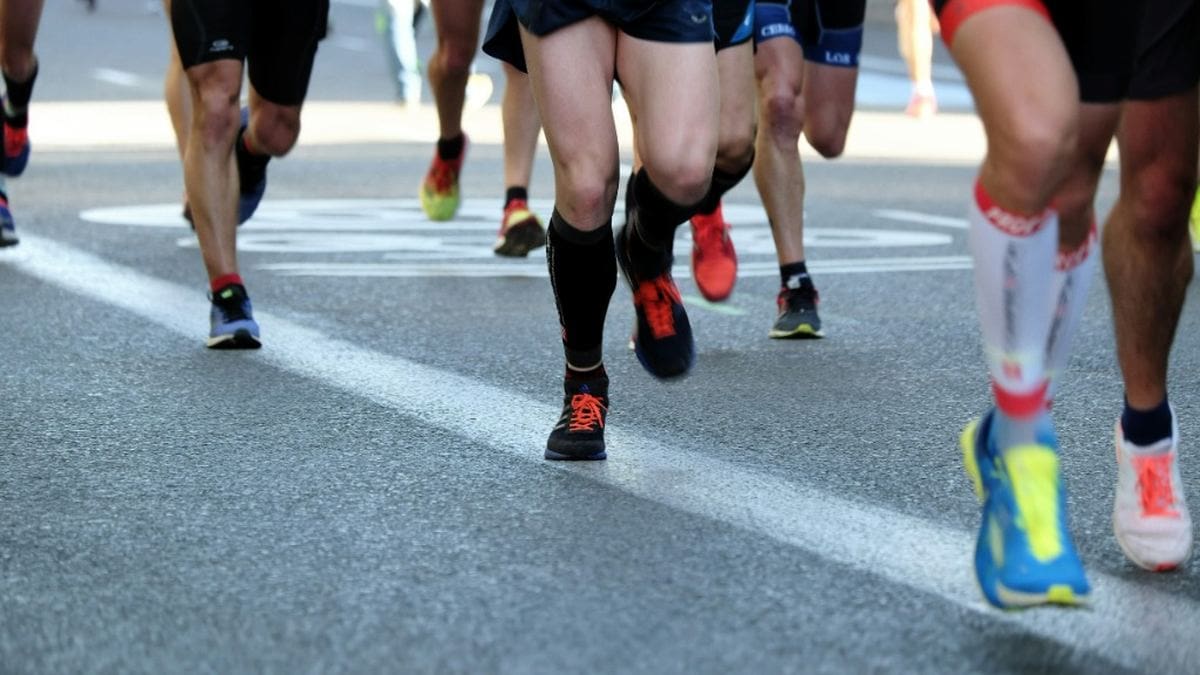
Chafing and blisters can take the fun out of an otherwise great run. Maybe it’s the edge of a sports bra that starts rubbing, a waistband that won’t stay put, or that one spot on your heel or ankle that always seems to act up. Whatever the culprit, a little prevention can make running a whole lot more comfortable.
The good news is that you usually don’t need to overhaul your running gear or follow a complicated routine. A few shoe-fit adjustments, the right socks, and some protection for spots that tend to rub can go a long way. Here’s how to prevent chafing and blisters while running, along with 14 products that may help with those stubborn problem spots.
How Do You Prevent Chafing and Blisters While Running?
Start with comfortable, moisture-wicking clothing, properly fitting running shoes, and socks that don’t bunch or rub. Anti-chafing gels and balms can help protect areas like your inner thighs and underarms, while blister tape, thick blister bandages, anti-blister or toe socks, and shoe patches can help with recurring foot and ankle irritation. If the same spot keeps rubbing, check the fit of your gear rather than relying on products alone.
Find Your Fix: Anti-Chafing & Blister Solutions
- Find the Right Fix for Your Problem Area
- Why Chafing and Blisters Happen While Running
- Simple Ways to Prevent Chafing and Blisters
- Anti-Chafing Gels, Balms, Sticks & Roll-Ons
- Chest Chafing Protection
- Foot, Ankle & Toe Hot Spot Solutions
- Blister Prevention Tapes & Shoe Patches
- Blister Care & Recovery
Find the Right Fix for Your Problem Area
Not sure where to start? Here’s a quick guide to common chafing and blister trouble spots and what may help.
| Problem Area | What May Help |
|---|---|
| Inner thigh chafing | Monistat gel, Body Glide, or fitted running shorts |
| Underarm or waistband chafing | Anti-chafing balm and clothing with smooth seams |
| Chest or sports bra chafing | Proper fit, anti-chafing balm, or nipple protectors for shirt friction |
| Blisters between toes | Injinji toe socks, Monistat gel, and shoes with enough toe room |
| Ankle blisters | Dr. Frederick’s thick blister bandages (applied before a run) and anti-blister socks |
| Heel or arch hot spots | Blister prevention tape, ENGO shoe patches, or shoe-fit adjustments |
| Existing blisters | Compeed cushions and proper blister care |
| Tip: Always check clothing, sock, and shoe fit first whenever the same spot keeps rubbing. | |
You don’t necessarily need a different product for every problem area, either. A single anti-chafing balm might work perfectly well for several spots, while something more specialized can help when the same irritation keeps coming back.
Why Chafing and Blisters Happen While Running
Chafing happens when skin repeatedly rubs against skin, clothing, or gear. Sweat and rain can make the irritation worse, especially when damp fabric keeps moving against the same area. Inner thighs, underarms, sports bra bands, waistbands, and hydration vest straps are all common trouble spots.
Blisters are similar because repeated friction is usually involved, but they form when layers of skin move against one another and fluid collects underneath. Shoes that fit too tightly, heels that slip, shoe collars that rub your ankles, and socks that bunch or stay damp can all contribute.
If your skin gets irritated during hot and humid runs, pay attention to how your clothes and shoes fit once you’re sweaty. Still, the most useful fix is usually the one that addresses whatever keeps rubbing in the first place.
Simple Ways to Prevent Chafing and Blisters
Anti-chafing products can help, but your clothing, shoes, and socks play an equally important role. Before spending money on new products, check a few simple things that can make a big difference.
Check Your Running Clothes and Gear
- Choose clothes that don’t rub: Moisture-wicking fabrics and smooth seams can be more comfortable than cotton when you’re sweaty. If shorts or a shirt consistently irritate your skin, try a different cut or look for running shorts with flat seams.
- Check tags, seams, and elastic: A scratchy tag or a sports bra band that has stretched out can cause irritation even if the item used to fit perfectly.
- Adjust your vest or running belt: Straps should feel secure without digging in. If your vest keeps bouncing or rubbing, our guide to choosing a running hydration vest can help.
- Keep your running clothes clean: Wash sweaty gear according to its care instructions. An activewear detergent is an option, although a regular detergent suitable for technical fabrics may work fine, too.
- Use anti-chafe balm where you need it: Apply it according to the product directions before your run, focusing on areas that tend to rub rather than covering everything.
How to Prevent Inner Thigh Chafing While Running
Inner thigh chafing is especially common because the skin can rub together with every stride. Shorts that ride up, rough seams, and damp fabric can make the problem even more annoying.
One simple solution is to wear longer, fitted styles such as biker shorts or leggings that provide comfortable coverage between your thighs. A multi-pack of pocketed biker shorts makes it easy to keep fresh pairs ready for your weekly runs.

- + Full inner-thigh fabric coverage
- + Deep side phone pockets
- + Soft four-way stretch fabric
- + Value four-pair color pack
- – Women’s sizing only
- – Warmer on hot summer runs
Shorts with a fitted under layer can help, too, such as these men’s 2-in-1 running shorts or these women’s 2-in-1 running shorts. A built-in liner keeps smooth fabric against your skin while giving you the relaxed look of standard running shorts on the outside.

- + Built-in inner thigh liner
- + Liner phone pocket included
- + Rear zipper essentials pocket
- + Convenient three-pair bundle
- – Men’s sizing only
- – Two layers feel warmer
Also, you can apply an anti-chafing gel or balm to the areas where your skin tends to rub, since the right shorts, a little anti-chafe gel, or a combination of both is often all you need.
Make Sure Your Running Shoes Fit Properly
Your shoes should feel comfortable from the start, with enough room for your toes to move and without your heel sliding around. Feet can swell during the day and on longer runs, so trying shoes on later in the day can be helpful.
The American Academy of Orthopaedic Surgeons has useful guidance on athletic shoe fit. In addition, you can use our running shoe size chart or check out running shoes for wide feet if your toes feel crowded.
If your heel keeps slipping, try a runner’s loop (sometimes called heel-lock lacing) using the extra eyelets near the top of your shoes. That simple adjustment can help hold your heel more securely without tightening the entire shoe.
And if a pair that used to feel fine suddenly starts rubbing, take a look at the lining, insoles, and overall wear. Our shoe wear pattern analyzer can help you take a closer look at how your shoes are wearing down.
Don’t Overlook Your Socks
Socks matter, too. Look for running socks that fit smoothly without bunching and sit high enough to cover your ankles if your shoe collar tends to rub, and pair them with breathable running shoes when possible.
Keep your toenails comfortably trimmed, and consider bringing a dry pair of socks if you’re running in the rain.
If you regularly get blisters in the same place, however, that’s a good clue that something about the fit or friction needs attention.
What to Do if You Notice a Hot Spot During a Run
If you start feeling rubbing, stinging, or irritation in one particular spot, don’t ignore it and hope it goes away.
Stop and take a look instead. You may be able to fix the issue by adjusting your socks, loosening or tightening your laces, repositioning a strap, or changing out of damp clothing. If you have blister prevention tape or an anti-chafing product with you, this might also be a good time to use it, provided the skin is still intact and the product is suitable for that area.
A small blister prevention kit with a few strips of tape and your preferred anti-chafing product can be handy for long runs, races, and running vacations.
If the area is already painful or the rubbing continues after you’ve made adjustments, though, it’s better to stop than risk making it worse.
Anti-Chafing Gels, Balms, Sticks & Roll-Ons
Anti-chafing products are one of the easiest ways to protect areas where skin or clothing tends to rub. They’re especially useful for inner thighs, underarms, waistbands, sports bra bands, and other recurring trouble spots.
Different formulas have different textures, so finding one you like may take a little experimenting. Some runners prefer a gel with a soft, powder-like finish, while others like a traditional balm, stick, or roll-on.
1. Monistat Chafing Relief Powder Gel

- + Soft powder-like finish
- + Fragrance-free skin protectant
- + Non-greasy clear formula
- + Great for inner thighs
- – Small 1.5-ounce squeeze tube
- – Applies by hand
One anti-chafing product I personally swear by is Monistat Chafing Relief Powder Gel. And yes, despite the brand name, this particular product is a skin-protectant gel, not a yeast infection treatment!
It goes on smoothly and leaves a soft, powder-like finish rather than the heavy, greasy feel of some ointments. For people who find Body Glide chafe sticks too sticky for their needs, the Monistat gel is a lifesaver. Because it’s fragrance-free and designed to help protect skin from friction, it’s a great option to consider for areas where skin tends to rub together, especially the inner thighs.
You don’t necessarily need something marketed specifically to runners to prevent running-related chafing, and this is a perfect example. It’s one of my personal favorites.
2. Body Glide Original Anti-Chafe Balm

- + Mess-free deodorant-style stick
- + Doesn’t stain running clothes
- + Non-greasy breathable feel
- + Safe on synthetic fabrics
- – Can soften in hot cars
- – May need reapplication on long runs
Body Glide Original is another easy place to start if you tend to chafe around your thighs, underarms, waistband, or sports bra band.
You apply it like a deodorant stick before getting dressed, so there’s no messy application to deal with. It’s a convenient option for everyday runs, and you can also reapply as needed on longer outings.
As with any anti-chafe product, it’s worth trying it on a regular run before relying on it for race day.
3. Squirrel’s Nut Butter All-Natural Anti-Chafing Stick

- + Coconut oil and cocoa butter
- + Rich moisturizing salve texture
- + Convenient 1.7-ounce twist tube
- + Comfortable for longer runs
- – Firms up in cold weather
- – Contains coconut oil
Squirrel’s Nut Butter is a good option to consider if you prefer a richer, balm-like feel. Its formula includes ingredients such as coconut oil, cocoa butter, and beeswax, making it a little different from a dry-feeling stick.
Apply it to areas where fabric or running gear tends to rub, especially before longer runs. Since the texture can change with temperature, you may find it needs a little warming up in colder weather.
4. 2Toms SportShield Waterproof Roll-On
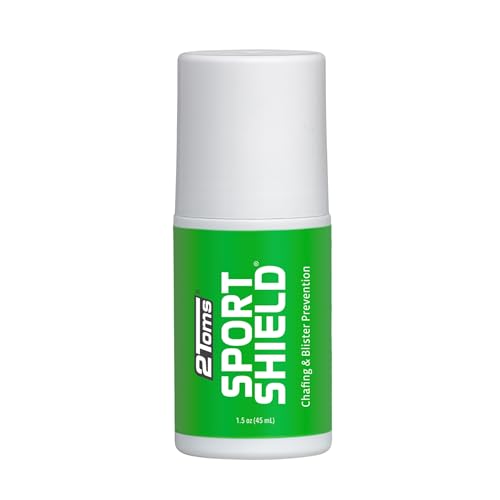
- + Easy liquid roll-on applicator
- + Smooth silicone-based formula
- + Won’t melt in warm cars
- + Fragrance- and dye-free
- – Needs soap to wash off
- – Let dry before dressing
If you’d rather use a roll-on than a stick, 2Toms SportShield is another option. Its silicone-based formula is designed to reduce rubbing, so the applicator makes it easy to cover areas like the thighs, underarms, and waistband.
Let it dry before you get dressed, and follow the product’s directions for washing it off afterward. For example, it may be especially appealing if you dislike the texture of wax-based balms.
Chest Chafing Protection
Chest chafing can happen when a shirt repeatedly rubs against sensitive skin, especially during longer runs or when clothing gets damp from sweat or rain.
Sports bra bands and seams can also cause irritation, so it’s worth checking the fit of your running clothes before assuming you need another product.
Although anti-chafing balms can help with some types of rubbing, adhesive nipple protectors offer another option by creating a physical barrier between your skin and your running shirt.
5. NipEaze Original Transparent Nipple Protectors
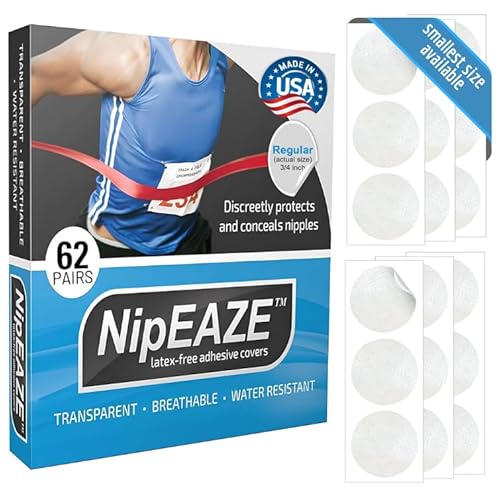
- + Clear breathable physical barrier
- + Helpful in wet weather
- + 62 pairs per pack
- + Discreet under running tops
- – Apply to clean dry skin
- – Single-use disposable patches
Sometimes the issue isn’t your shorts or waistband, because it’s actually your shirt rubbing against your chest.
NipEaze nipple protectors create a barrier between your skin and your running top, which can be helpful on longer runs or in wet weather. Apply them to clean, dry, unbroken skin before getting dressed.
Since they’re a single-use option, they’re best for a specific problem rather than something every runner needs.
Foot, Ankle & Toe Hot Spot Solutions
A hot spot is an area on your foot or ankle that starts feeling irritated from rubbing, often before a blister actually forms. You might notice one on your heel, around your ankle where the shoe collar hits, along the side of your foot, or between your toes.
Catching that irritation early, or protecting spots you already know are prone to blistering before you head out, makes a big difference. Depending on where the rubbing happens, an anti-blister balm, anti-blister socks with ankle coverage, or thick blister bandages applied before a run or race may help.
6. Body Glide Foot Glide Anti-Blister Balm

- + Dry non-greasy foot finish
- + Easy to pack for travel
- + Compact 0.8-ounce stick
- + Won’t stain running socks
- – Small 0.8-ounce tube size
- – Won’t fix tight shoes
If you already know which spots on your feet or ankles tend to rub, Body Glide Foot Glide is an easy addition to your getting-ready routine.
Swipe it onto your heels, ankles, toes, or other problem areas before putting on socks. Also, the small stick is convenient to pack for travel or longer outings.
Just remember that even a good balm won’t make up for running shoes that are too tight or don’t fit properly.
7. Injinji Ultra Run No-Show Padded Toe Socks

- + Separates neighboring toes
- + Soft underfoot cushioning
- + Moisture-wicking COOLMAX fibers
- + Breathable mesh top panel
- – Takes longer to put on
- – Needs roomy shoe toe box
Toe socks might look a little unusual at first, but there’s a reason runners like them.
Injinji Ultra Run socks give each toe its own little section, so neighboring toes aren’t rubbing directly against each other. If you regularly get blisters between your toes, that design is worth trying.
They also have cushioning underfoot, although you’ll still want enough room in your shoes for the socks to fit comfortably.
8. Wrightsock CoolMesh II Double-Layer Running Socks

- + Two layers reduce friction
- + Lightweight breathable mesh weave
- + Arch band helps prevent bunching
- + Convenient three-pair pack
- – Check shoe fit for room
- – Quarter cuff sits above ankle
Not everyone loves the feel of toe socks, and that’s where double-layer anti-blister socks come in.
Wrightsock CoolMesh II socks use two layers of fabric designed to move against each other to help reduce friction, and the quarter-height cuff sits above your ankle so your shoe collar isn’t rubbing bare skin. As a result, they’re well worth a try if you tend to get hot spots or blisters around your ankles, heels, or other areas of your feet.
Make sure they fit smoothly and don’t make your shoes feel too snug.
9. Dr. Frederick’s Original Better Blister Bandages

- + Great pre-race ankle and heel shield
- + Thick cushioned hydrocolloid gel
- + Heel, toe, and spot shapes
- + Water-resistant adhesive hold
- – Needs clean dry skin
- – Leave on until edges lift
If your ankles or the backs of your heels are prone to blistering, these thick hydrocolloid blister bandages are amazing for blister prevention. Rather than waiting until skin is already sore, applying them to your heels or ankles before a race lets you prevent blisters and stay proactive instead of reactive.
Dr. Frederick’s Original Better Blister Bandages include heel, toe, and small spot shapes in a single pack, so it’s easy to match the pad to the spot where your shoe tends to rub. Also, warming the bandage between your palms before pressing it onto clean, dry skin helps the edges stay put through sweaty miles.
Leave the cushion in place until it starts lifting on its own rather than peeling it off early, and follow the package directions for care.
Blister Prevention Tapes & Shoe Patches
Sometimes a particular shoe rubs in the exact same spot no matter which socks you wear. When that happens, protecting the problem area directly may be more useful than changing your entire running setup.
Blister prevention tapes and shoe patches both help address specific areas of friction, although they work differently. Tape goes directly on your skin, while shoe patches are applied inside your shoes.
10. KT Health Blister Prevention Tape

- + Smooth low-friction outer surface
- + 30 rounded precut strips
- + Handy for heels and toes
- + Applies directly to dry skin
- – Needs clean dry skin
- – Don’t apply over balm
For a spot that rubs in the same place every run, blister prevention tape can be a practical solution.
KT Health Blister Prevention Tape comes in precut strips you can apply to clean, dry skin before you head out. It’s particularly handy for heels, ankles, and other areas where a sock or shoe repeatedly catches.
Don’t put balm or lotion underneath the tape, since that can make the adhesive less effective.
11. ENGO Blister Prevention Shoe Patches

- + Applies inside your shoe
- + Targets specific friction points
- + Thin smooth oval patches
- + Six patches per starter pack
- – Apply to clean dry shoe
- – Won’t fix wrong shoe size
ENGO patches take a different approach: instead of sticking something to your skin, you place the patch inside the shoe where rubbing keeps happening.
That can be useful if one particular pair of shoes irritates the same area of your heel, ankle collar, or foot. Apply the patch to a clean, dry surface according to the package instructions.
Still, it won’t fix shoes that are the wrong size, even though it may help with a specific friction point.
Blister Care & Recovery
Even with the best prevention habits, chafing and blisters can still happen. Maybe you tried a new pair of running shoes, underestimated how much your clothes would rub in the rain, or simply didn’t notice a hot spot until you got home.
When that happens, the priority shifts from prevention to giving your skin a chance to heal.
12. Compeed Advanced Blister Care Hydrocolloid Cushions

- + Cushioned hydrocolloid gel pads
- + Three mixed sizes included
- + Protects existing blisters
- + Tapered stay-put edges
- – Follow package removal directions
- – For formed blisters primarily
Compeed cushions are a little different from the prevention products earlier in this list because they’re primarily for caring for a blister that’s already formed.
The cushioned hydrocolloid bandages help protect the area from additional rubbing while it heals. Choose the right size, apply as directed, and follow the package instructions for removal.
A bandage can help protect a sore spot, although it’s still worth giving your feet a break if running makes the pain worse.
What to Do When Your Skin Is Already Chafed
If you notice chafed skin after a run, gently clean the area with lukewarm water and a mild cleanser, then pat it dry.
A plain, fragrance-free protective ointment can also help keep the area comfortable while it heals. Loose clothing is usually a better choice than putting the same tight waistband or sports bra band right back on.
Give irritated skin a chance to recover before putting it through the same rubbing again.
How to Care for a Running Blister
For a blister that’s still intact, try not to pop it because the skin covering it helps protect the area while it heals.
The American Academy of Dermatology recommends protecting blisters from further rubbing. A suitable blister dressing or moleskin padding can help.
If a blister opens, gently clean it, leave any remaining skin in place, and keep the area covered.
However, seek medical advice if you notice spreading redness, warmth, pus, or increasing pain, and take extra care with foot blisters if you have diabetes or circulation problems.
A Little Prevention Goes a Long Way
You don’t need a ten-step routine before every run. Start with comfortable clothes, well-fitting shoes, and socks that stay put.
Then pay attention to any spots that repeatedly rub and choose one simple fix, such as a swipe of balm, a different sock, or a small patch.
Ultimately, the goal is to spend less time thinking about your feet and more time enjoying the miles.
Frequently Asked Questions
How do I prevent inner thigh chafing while running?
Try comfortable, fitted running shorts that cover where your thighs rub together. You can also apply an anti-chafing gel or balm before running, and switch shorts if seams cause irritation.
Can I use Monistat Chafing Relief Powder Gel for running?
Yes! Monistat Chafing Relief Powder Gel is a skin-protectant gel designed to reduce friction and relieve chafing. Although it isn’t marketed for running, it works well on inner thighs and other trouble spots. Follow package directions.
How can I prevent blisters between my toes while running?
Check that your shoes have enough toe room and your socks aren’t bunching. Toe socks like Injinji may also help because they separate your toes and reduce skin-on-skin rubbing.
Can I use petroleum jelly to prevent chafing while running?
Yes. Petroleum jelly reduces rubbing, although it feels greasier than an anti-chafe stick and can leave residue on clothes. If it works for you, there’s no need to switch.
Should I pop a running blister?
Usually, no. Leaving the skin over an intact blister in place protects it while it heals. Cover it to reduce rubbing, and seek medical advice if it’s painful or looks infected.
Can I use blister tape and anti-chafe balm together?
Yes, just not on the same spot. Blister tape sticks best to clean, dry skin, so apply it first and use anti-chafe balm on other areas.
Why is my sports bra or hydration vest suddenly chafing?
Changes in fit, worn elastic, shifting straps, longer runs, or wet weather can all contribute. Check where the rubbing happens and whether the sports bra band or hydration vest strap moves as you run.
