
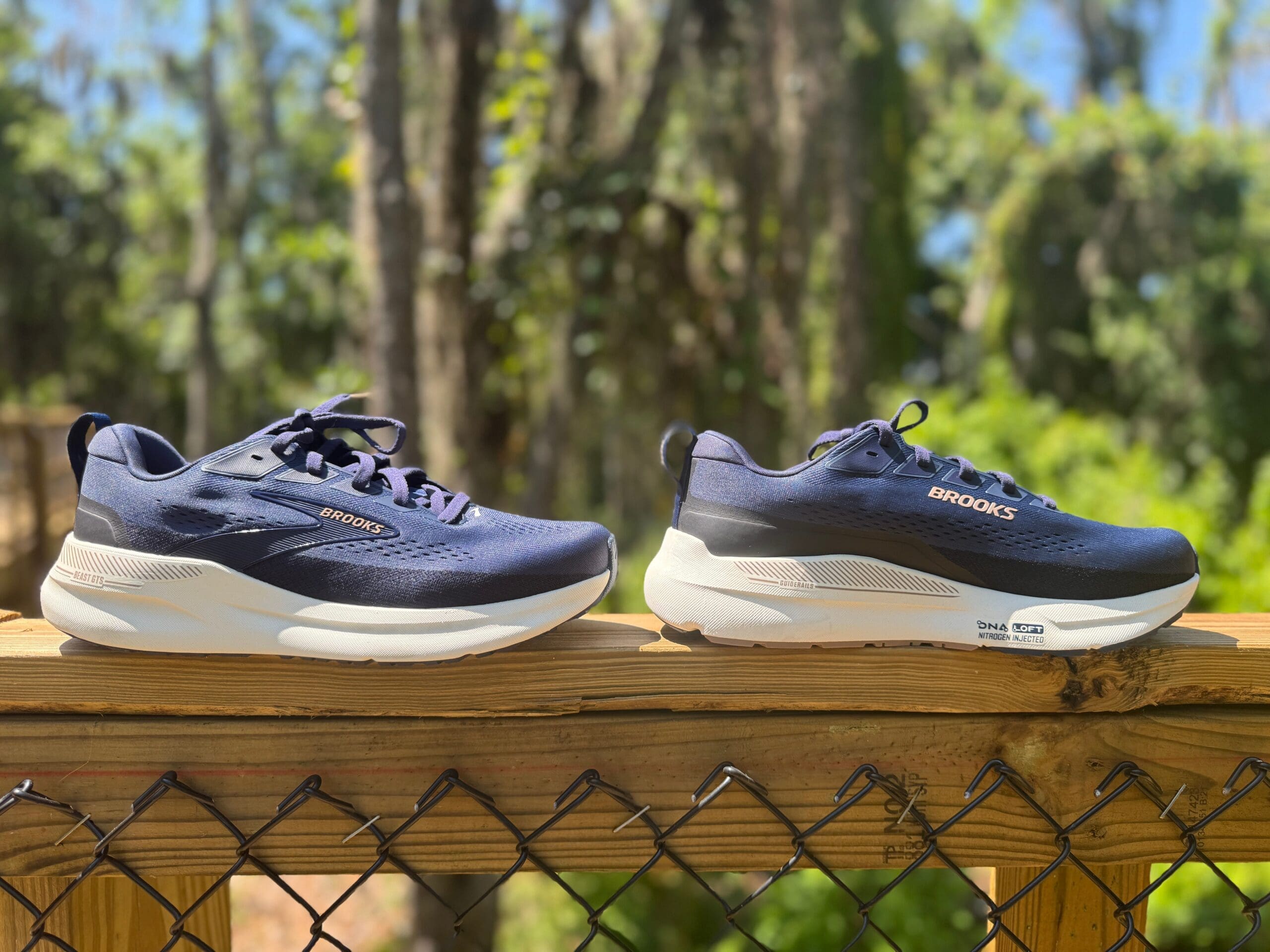
As someone who usually gravitates toward neutral shoes with plenty of give and bounce, I learned during my first marathon training block that when your legs are completely fried, sometimes you just need serious, structural support. The Brooks Beast GTS 26 is exactly what it sounds like: a heavy-duty, unapologetically massive stability shoe built to keep your mechanics in check.
It skips the “25” entirely, jumping straight from the 24 to the 26 with more DNA LOFT v3 midsole and a ridiculously plush upper. This isn’t a shoe you buy to push the pace. It’s a highly structured, heavy cruiser designed for runners and walkers who need maximum support, maximum cushioning, orthotic accommodation, and a ride that can handle endless miles without breaking down.
Who Should Buy the Brooks Beast GTS 26? Runners and walkers who need aggressive stability, orthotic-friendly depth, and a plush, highly durable daily cruiser for slow miles and recovery days.
Who Should Avoid the Brooks Beast GTS 26? Neutral runners, speed-focused athletes, or anyone looking for a lightweight, nimble ride—if you don’t actually need major stability control, this much structure will feel sluggish and over-engineered.
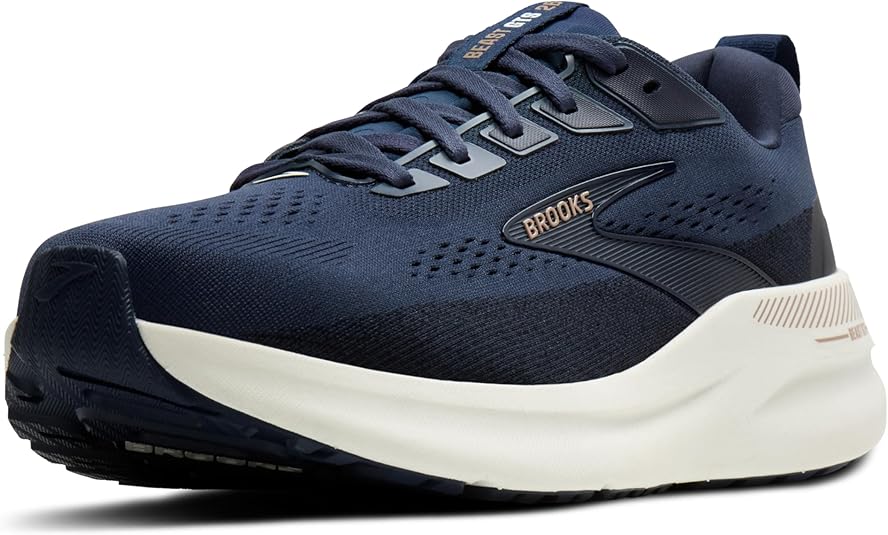
Brooks Beast GTS 26
- ✓Nitrogen-infused cushioning delivers a soft yet incredibly stable underfoot ride.
- ✓GuideRails technology keeps your stride aligned for distraction-free, comfortable miles.
- ✓Generous, plush upper comfortably accommodates flat feet and custom orthotics.
PROS
- + Maximum motion control
- + Highly durable outsole
- + Wide, planted base
- + Excellent shock absorption
- + Amazing structured stability support
CONS
- – Heavy and bulky
- – Runs slightly short
- – Not for speedwork
The Beast’s New Look: Modernizing a Classic Silhouette
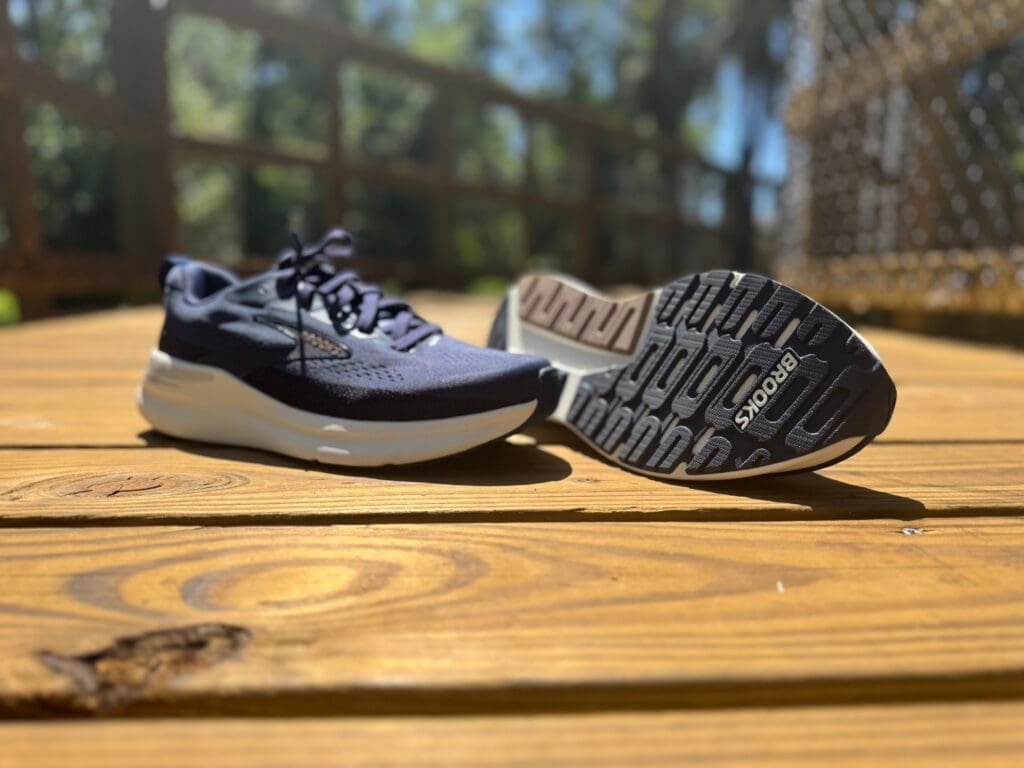
Let’s be honest: historically, maximum stability shoes have often looked a bit like medical devices. The Beast lineage is famous for its blocky, rigid aesthetic, but Brooks has done a lot of work to modernize the silhouette for the Beast GTS 26.
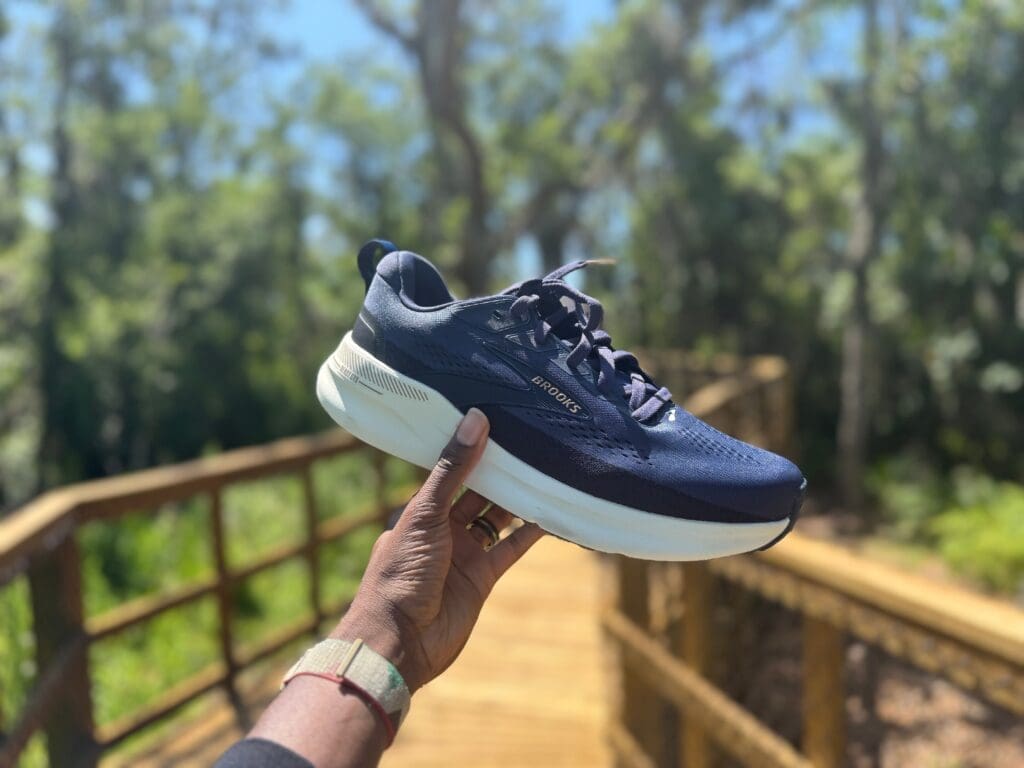
While it still commands a massive “big shoe” presence on the road, the upper has been completely overhauled with a sleeker, engineered mesh. It manages to visually hide some of that massive 38mm heel stack, giving it a much cleaner, streamlined look compared to older versions. It’s never going to be a minimalist lifestyle sneaker, but the updated colorways and refined lines make it look like a premium running shoe rather than a prescription orthotic.
Upper: Plushness and the Orthotic Advantage
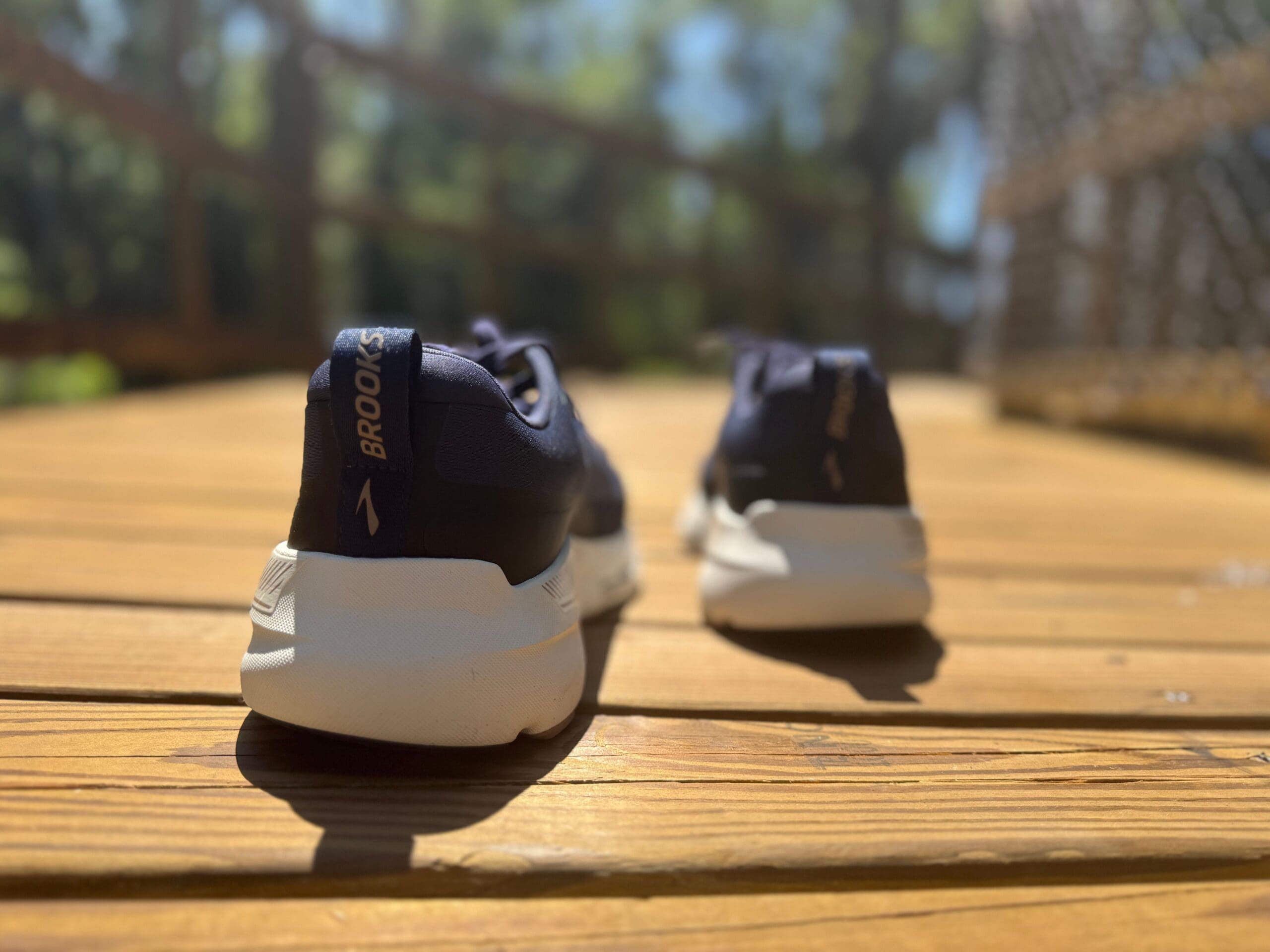
The bold visual presence translates directly to the step-in feel. The upper isn’t just for looks; it delivers an incredibly plush, almost luxury-level experience the second you put your foot in. Every material used feels incredibly soft against the foot. Even the laces and the heel pull tab feel noticeably premium to the touch.
A massive advantage to this high-volume upper is its orthotic compatibility. As a certified PDAC A5500 Diabetic shoe, it has the internal depth and width required to easily accommodate custom inserts without aggressively squishing your foot against the roof of the shoe.
The Friction Point: While the overall comfort is top-tier, I did encounter one issue. Even in my true-to-size fit, the toe box hugged my forefoot a little too much. I felt my big toe consistently rubbing against the front mesh. Over longer miles, this specific friction point causes fatigue. If you have a wider foot or plan to use thick orthotics, I highly recommend considering a half-size up to avoid this toe rub.
Midsole: DNA LOFT v3 Support Built for the Long Haul
The ride is where the Beast earns its name. The nitrogen-infused DNA LOFT v3 foam is highly responsive and comfortable, but make no mistake: you will notice the support.
Brooks uses their GuideRails™ Holistic Support System, which acts like bumpers on a bowling alley to keep excess knee and ankle movement in check. The beauty of this system is that the support is highly effective without feeling overly harsh or intrusive like an old-school medial post.
However, there is a reality check when it comes to pacing. This is a heavy shoe (12.5 oz), and you feel that weight immediately. At faster paces, the shoe feels sluggish and a bit sloppy. But that isn’t what it’s built for. It thrives as a Zone 2 grinder. If you are logging long walks, slow recovery runs, or even targeting a half or full marathon where late-stage form degradation is your biggest enemy, this platform does the heavy lifting for you.
Brooks Beast 26 Shoe Specs
| Weight | 12.5 oz / 354.4g |
|---|---|
| Heel Stack Height | 38 mm |
| Forefoot Stack Height | 26 mm |
| Heel-to-Toe Drop | 12 mm |
| Midsole Material | DNA LOFT v3 |
| Outsole | RoadTack rubber |
| Support | GuideRails™ Technology |
Outsole: RoadTack Rubber Durability You Can Feel
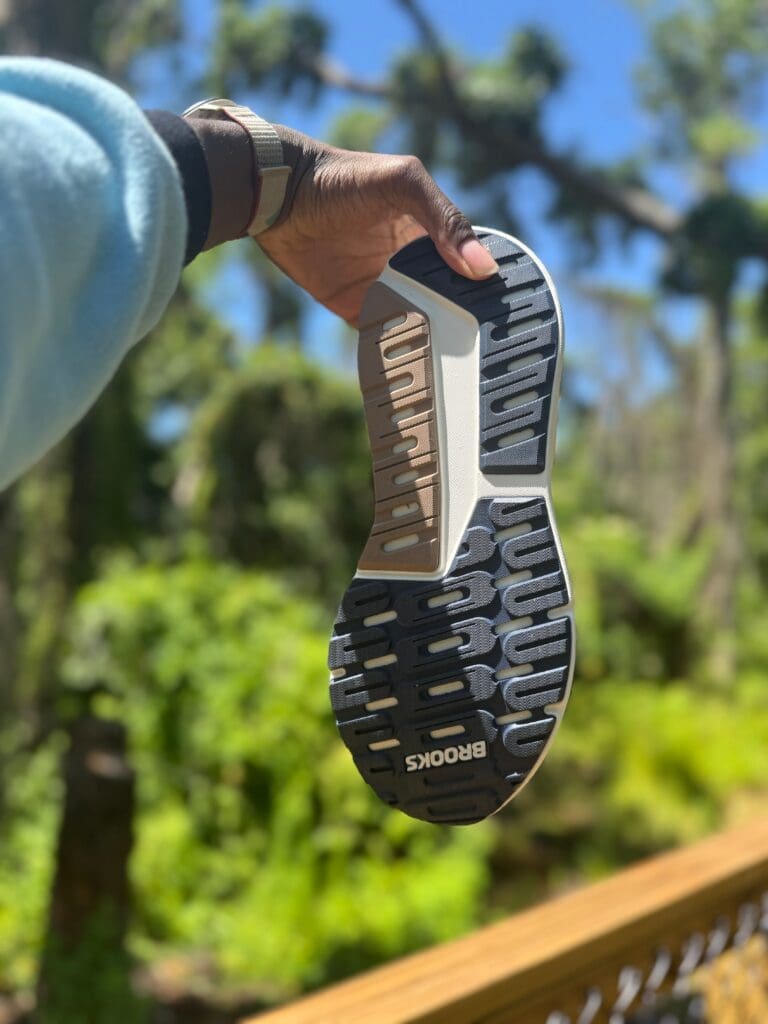
In terms of the outsole, the Brooks Beast GTS 26 is practically bulletproof. Brooks added their new RoadTack rubber, and it is impressively thick. You could easily take this shoe well over 500 miles without chewing through the tread.
The trade-off for that extreme durability is flexibility. Because the rubber is so thick and the platform is so broad, the shoe aggressively tries to keep its shape. It does not flex easily with your foot, which is another reason it fights back when you try to push the pace.
Analyze Your Wear Patterns
If you are chewing through the outsoles of your current shoes rapidly, you might need the structure the Brooks Beast 26 provides. Check out our Shoe Wear Pattern Analysis tool to see what your shoes is telling you about your mechanics.
The Temperature Trade-off: Summer or Winter Hero?
All of that luxury plushness comes with a significant thermal penalty. The thick padding in the upper traps heat. If you are taking this for a long run in the middle of a humid summer, your feet are going to sweat, and breathability will be an issue.
However, there is a silver lining. In cooler conditions, that warm, insulated upper becomes a massive benefit. Combined with the thick, durable RoadTack grip, this shoe actually functions as a fantastic winter daily trainer for those cold, gritty morning miles.
Run Safer In The Heat
Summer miles hit different, especially in a heavy, warm shoe. Use our Heat Adjustment Calculator to see how rising temperatures are actually impacting your true effort.
Skipping the 25: What’s New in the Beast GTS 26?
Brooks made the rare decision to skip the Beast “25” entirely, jumping straight from the Beast GTS 24 to the 26. Despite the skipped number, the core DNA of the shoe remains intact, utilizing the exact same 12mm drop and proven GuideRails support system.
The most noticeable upgrades include:
- More Cushion: A 2mm increase in foam under both the heel and the forefoot.
- Better Grip: The introduction of the highly durable RoadTack rubber outsole.
- Upgraded Upper: A significantly softer, plusher mesh material throughout the shoe and heel tab.
Building Your Rotation: Where the Beast Fits
I cannot stress this enough: do not buy this shoe if you do not have stability needs. If you have a neutral stride, this much guidance will feel overbearing and clunky.
If you just want a comfortable, high-cushion cruiser without the aggressive GuideRails, you are much better off looking at a stable-neutral shoe like the New Balance 1080 v15. For runners who want a reliable Brooks daily trainer but don’t need motion control, the Brooks Ghost 17 remains the gold standard for a nimble, neutral ride.
But if you need serious, unyielding support, the Beast GTS 26 is the best option for your rotation.
Frequently Asked Questions (FAQs)
Is the Brooks Beast GTS 26 good for flat feet?
Yes, the Brooks Beast GTS 26 is an excellent option for flat feet. The broad base and GuideRails support system prevent the inward rolling (overpronation) that is common for runners and walkers with bad arches.
Can I put custom orthotics in the Brooks Beast GTS 26?
Absolutely. The Brooks Beast GTS 26 is a PDAC A5500 Diabetic certified shoe, meaning it features a deep, high-volume interior specifically designed to easily accommodate thick, custom orthotic inserts.
What is the difference between the Brooks Beast GTS 26 and the Brooks Adrenaline GTS?
While both are stability shoes, the Brooks Beast GTS 26 is the heavier, more aggressive option. It offers maximum support, a wider base, and more plush cushioning, whereas the Adrenaline GTS is lighter and functions more like a standard daily trainer with moderate support.
Does the Brooks Beast GTS 26 run true to size?
Generally, yes, but the Brooks Beast GTS 26 has a snug forefoot. Because the toe box sits a bit low, runners often experience friction on their big toe. If you use orthotics or have a fuller foot, sizing up a half size is recommended.
Is the Brooks Beast GTS 26 a good walking shoe?
Yes. In fact, many users prefer the Brooks Beast GTS 26 for walking rather than running. The massive cushion, heavy-duty durability, and GuideRails make it perfect for all-day wear and long walks on pavement.
How long will the Brooks Beast GTS 26 last?
Thanks to the thick RoadTack rubber outsole and dense foam, the Brooks Beast GTS 26 is incredibly durable. Most runners and walkers can easily expect to get 400 to 500+ miles out of a pair before needing a replacement.
When did the Brooks Beast GTS 26 release?
The Brooks Beast GTS 26 was officially released in April 2026.
