
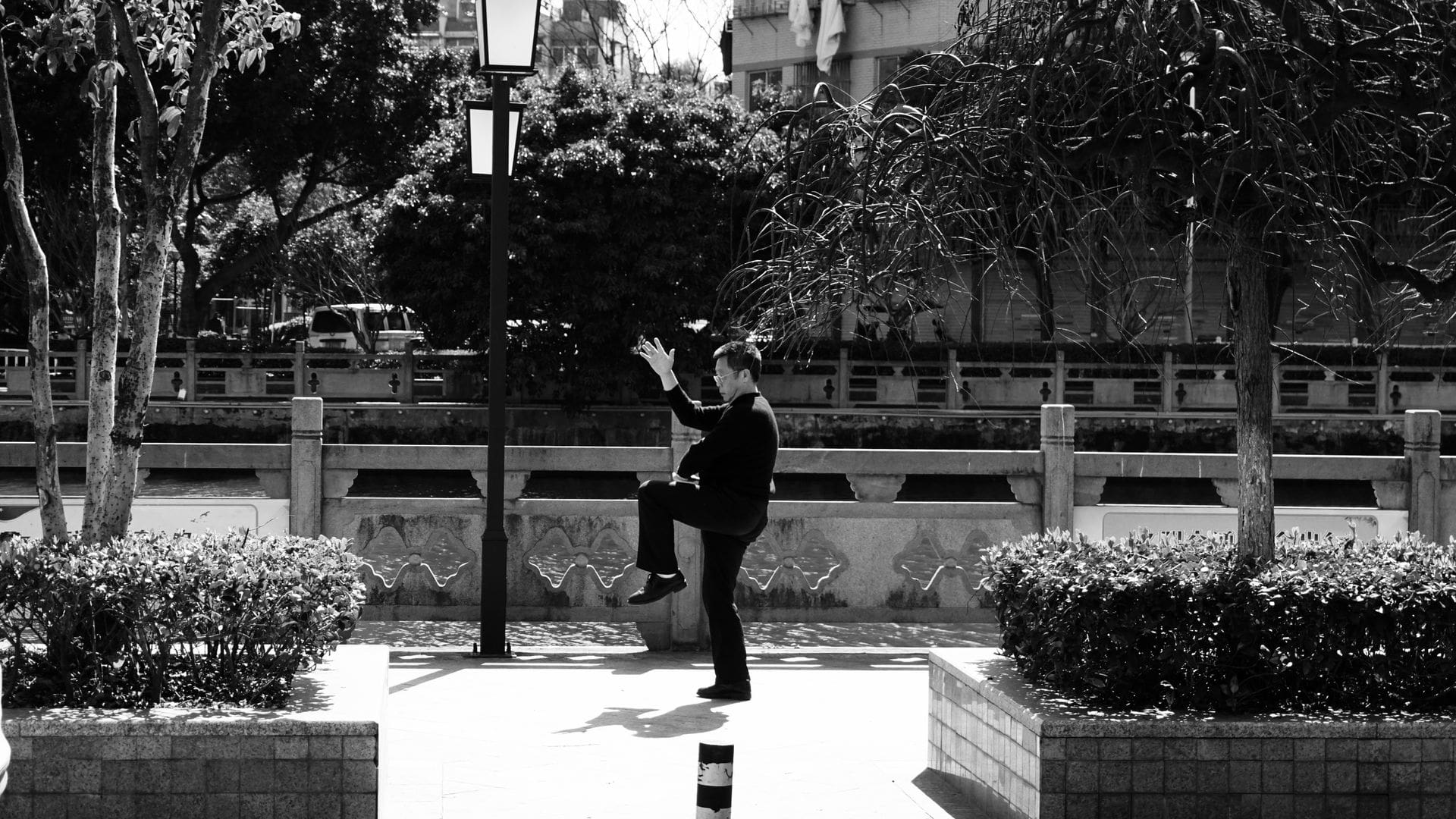
When you think of walking for fitness, you probably imagine brisk power strides, ticking off steps on a tracker, or rushing to finish a loop. But there’s another approach that’s gaining massive popularity among athletes and wellness enthusiasts alike: moving as slowly and deliberately as possible.
It’s called Tai Chi walking. This ancient practice turns the simple, subconscious act of walking into a mindful workout. By stripping away momentum and focusing entirely on control, it forces your muscles, joints, and mind to work in complete harmony.
If you’re looking to reduce stress, improve your balance, and build functional lower-body strength without the heavy pounding of traditional workouts, it’s time to slow down. Let’s dive into the health benefits of this trend, how to practice it, and why it’s the perfect mental stimulation for your fitness routine.
The Ultimate Tai Chi Walking Guide
- What is Tai Chi Walking?
- Key Health Benefits
- Step-by-Step Tai Chi Walking Technique
- Mindful Breathing Integration
- Recommended Footwear (Gear Tips)
What is Tai Chi Walking?
At its core, Tai Chi walking (often referred to as mindful walking or step training) is a movement practice that emphasizes slow-motion weight transfer.
In a standard walk, your body uses momentum to carry you forward. You fall into your next step, and your joints absorb the impact. In Tai Chi walking, you do the opposite. You don’t take a step until your stance is completely stable and rooted. Your knees remain soft and slightly bent, your hips stay level, and you roll your foot from heel to toe with absolute awareness.
It’s a form of moving meditation. Instead of letting your mind wander to your to-do list, you focus entirely on the physical feedback from your feet, ankles, and legs. It’s surprisingly challenging, and it’s a great way to train your nervous system to stay centered.
Key Health Benefits of Slow-Motion Movement
Moving slowly sounds easy, but you’ll quickly discover that it requires a lot of muscular effort and mental stamina. Here’s why you should incorporate this practice into your weekly training:
1. Superior Balance and Fall Prevention
Tai Chi walking is one of the most effective exercises for balance training. Because you spend a significant amount of time balancing on a single leg during weight transfers, you’re constantly strengthening the stabilizers in your ankles, calves, and hips. Over time, this deliberate training builds strong neuromuscular pathways that prevent slips and falls in daily life.
2. Low-Impact Joint Strengthening
When you run or power walk, the force of impact travels up your leg, putting stress on your shins, knees, and lower back. Because Tai Chi walking eliminates impact, it’s exceptionally gentle on your joints. Instead of relying on momentum, your quadriceps, hamstrings, and glutes must work continuously to lower and raise your center of gravity. It’s a fantastic way to build leg strength when recovering from injury, or as a low-impact recovery workout.
3. Active Stress Reduction
If you’re feeling overwhelmed, a fast-paced run can sometimes amplify tension. Tai Chi walking works as an active stress reliever by lowering your heart rate and focusing your breathing. The rhythm of shifting your weight acts as a calming anchor for a busy mind, bringing the stress-reducing benefits of standard meditation into a physical workout.
4. Cognitive Stimulation
This isn’t a mindless exercise. Tai Chi walking requires dual-tasking by coordinating your breathing, posture, and alignment while scanning your foot sensations. This active mental engagement stimulates the brain’s executive control centers, improving memory and processing speed. It’s a mental gym workout that leaves you feeling focused and clear-headed.
Step-by-Step Tai Chi Walking Technique
Ready to try it? You don’t need a lot of space. A quiet hallway or a flat patch of grass in your backyard is perfect. Here’s how to begin:
Step 1: The Root (Grounding)
Stand with your feet hip-width apart and your arms relaxed at your sides. Soften your knees, and do not lock them. Tuck your pelvis slightly and stand tall, imagining a thread pulling the crown of your head toward the sky. Relax your shoulders and open your chest to allow deep, diaphragmatic breathing. Let your eyes look slightly downward (about six to eight feet ahead of you) to keep your neck aligned and free from strain.
Step 2: The Shift
Slowly transfer your entire body weight onto your right leg. Keep your hips level and avoid leaning your torso to the side. As your weight settles, feel your right foot root into the ground. Your left leg should now feel completely weightless, or empty.
Step 3: The Empty Step
Gently lift your weightless left foot. Slowly slide or place it forward about half a normal step. Do not transfer any weight yet. Touch your left heel to the ground softly, keeping your foot relaxed.
Step 4: The Transition
Slowly shift your center of gravity forward, rolling your left foot down until it flatly contacts the floor. As your weight transitions onto your left leg, bend your left knee slightly and let your back heel lift. Keep your movements fluid and continuous, like walking through water.
Step 5: Repeat
Once your weight is fully established on your left leg, your right leg is now the empty one. Lift your right foot, step forward, and repeat the cycle. Aim for 5 to 10 minutes of continuous, slow walking.
Mindful Breathing Integration
To maximize the stress-relieving and cognitive benefits of your practice, synchronize your breath with your weight shifts. Inhale deeply through your nose as you lift your foot and take the empty step. Exhale slowly through your mouth as you transition your weight onto the forward foot.
This rhythmic belly breathing helps activate your parasympathetic nervous system, lowering cortisol levels and shutting down the fight-or-flight response. It keeps your mind tethered to the physical sensations of the present moment, preventing you from slipping into autopilot.
Gear Tips for Mindful Walking
To get the most out of Tai Chi walking, you need to feel the ground. Traditional cushioned running shoes with thick, stiff midsoles and steep drops tend to block the sensory feedback from your feet.
For the best experience, look for footwear that allows natural foot movement. A wide, anatomical toe box lets your toes splay to provide a stable base, while a flat platform keeps your alignment neutral. If you want to check out some great options, take a look at our guide to the best zero drop running shoes. If you prefer general road options, view our complete selection of the best running shoes to find a comfortable, flat trainer.
For a comfortable, low-impact road trainer that supports natural walking mechanics, we recommend the Altra Torin 8:

- ✓Zero-drop platform keeps your heel and forefoot level to support natural upright posture.
- ✓Anatomical FootShape toe box lets your toes splay fully for a stable, balanced root.
- ✓Flexible FootPod outsole design mirrors the natural bones of your foot for sensory ground feel.
Just remember that if you’re switching to zero-drop shoes or flat footwear, it’s a good idea to build up your mileage slowly to let your lower calves adjust. And if you’re auditing your current gear closet, check out our guide on when to replace running shoes to ensure your soles still offer the support and grip you need.
Stepping Into Stillness: Making Tai Chi Walking Your Own
Tai Chi walking is a simple, highly accessible practice that delivers profound health benefits. It’s a powerful reminder that fitness isn’t always about going faster, pushing harder, or counting more steps on a tracker. Sometimes, the most transformative thing you can do for your body, joints, and mind is to slow down, feel the ground, and take a single, deliberate step.
By dedicating just a few minutes each day to this slow-motion movement, you can build lasting lower-body strength, improve your balance, and give your mind a much-needed break from daily stressors. It’s a small investment in mindfulness that pays massive dividends for your long-term health.
Frequently Asked Questions (FAQs)
Is Tai Chi walking suitable for seniors or individuals with knee arthritis?
Yes, Tai Chi walking is highly recommended for seniors and individuals recovering from joint issues or managing knee arthritis. Because it eliminates the fast, high-impact forces of running or brisk power walking, it is extremely gentle on the joints. The continuous, slow muscular work actually helps strengthen the quadriceps and glutes, which stabilizes the knee cap and reduces chronic joint pain.
How often should I practice Tai Chi walking?
For the best results in building balance and lower-leg stability, aim to practice Tai Chi walking for 5 to 10 minutes, three to four times a week. It makes a fantastic mental warm-up before a workout, an active cooldown, or a relaxing evening routine to help you decompress after a stressful day.
Do I need to be barefoot to practice Tai Chi walking?
While practicing barefoot or in socks on a soft carpet or grass is a great way to maximize sensory feedback, you can absolutely wear shoes. If you choose to wear shoes, opt for a flat, neutral shoe with a wide toe box, like a zero-drop trainer. This gives your toes the space to spread and helps you feel the ground adjustments clearly.
What is the ideal pace or speed for Tai Chi walking?
There is no set speed, but the general rule is: the slower, the better. Your movement should feel continuous and fluid, as if you are moving through water or thick honey. If you feel yourself wobbling or rushing, simply slow down and focus on rooting your standing leg before taking your next step.
Can I practice Tai Chi walking outdoors?
Yes, practicing outdoors in a park, backyard, or quiet beach is highly beneficial. The uneven ground of natural terrain (like grass or sand) adds an extra layer of healthy challenge for your ankle stabilizers, while being in nature enhances the stress-relieving, meditative quality of the exercise. Just ensure the area is flat and free of sharp objects.
