

Let’s be honest: standard running shoe reviews don’t speak to everyone. If you’re a runner carrying more weight or muscle, the underfoot experience is completely different. Foams that feel soft to a featherweight runner can bottom out under high load, leaving your joints to absorb the shock of hard pavement. You need a solid platform that keeps its structure mile after mile.
But finding the right setup isn’t easy. Too much squish without support can cause your foot to roll inward, leading to wobbly landings. If you’re using running for weight loss or simply training for a race, these eleven models deliver real, long-lasting performance that won’t compress into flat pancakes.
What Are The Best Running Shoes for Heavy Runners? Our Top Picks:
- Best for Severe Overpronation: Brooks Beast GTS 26
- Best Max-Cushion Option: ASICS Gel-Nimbus 28
- Best High-Rebound Cushioning: Saucony Triumph 24
- Best for Ultimate Shock Absorption: HOKA Bondi 9
- Best Balanced Daily Stability: Brooks Adrenaline GTS 25
- Best Accommodating Daily Trainer: New Balance 1080 v15
- Best Roomy Anatomical Design: Topo Athletic Phantom 4
- Best Plated Racer: HOKA Mach X 3
- Best Zero-Drop Road Pick: Altra Torin 8
- Best for Rugged Trails: Nike Zegama 2
- Best Trail-To-Road Versatility: The North Face Altamesa 500 v2
Best for Severe Overpronation
Brooks Beast GTS 26

- ✓GuideRails support system limits excess joint rotation for structured stability
- ✓DNA LOFT v3 nitrogen-infused foam provides durable underfoot cushioning
- ✓Wide linear platform under the arch prevents inward foot collapse
PROS
- + Ultimate pronation support
- + Indestructible base
- + Roomy, secure fit
CONS
- – Feels stiff and heavy
- – Basic styling is plain
For runners whose ankles collapse inward under heavy load, the Brooks Beast GTS 26 offers a smarter approach to stability. Instead of shoving a stiff plastic wedge under your arch, it uses a wide, flared platform and lateral GuideRails to keep your stride aligned naturally. Underfoot, the nitrogen-infused DNA LOFT v3 cushioning absorbs heavy road impact without bottoming out. It’s a rock-solid daily trainer that feels remarkably smooth. For the full breakdown, check out our Brooks Beast GTS 26 review.
- Why it’s good for heavy runners: It delivers the ultimate motion control stability on a wide, indestructible linear platform.
- Skip it if: Skip it if you prefer a highly flexible, low-profile neutral shoe with maximum ground feel.
- Best For: Neutral or stability runners carrying more weight who need robust shock absorption.
Best Max-Cushion Option
ASICS Gel-Nimbus 28

- ✓FF BLAST PLUS ECO foam delivers maximum underfoot softness
- ✓PureGEL technology under the heel dampens impact forces on landing
- ✓Soft engineered knit upper wraps the foot in a secure fit
PROS
- + Cloud-like soft landing
- + Pillowy step-in feel
- + Wide heel stability
CONS
- – Runs warm on hot days
- – Not built for speed
If you prioritize joint preservation, the ASICS Gel-Nimbus 28 provides a soft, protective ride that dampens the hardest pavement. It’s got a towering stack of FF Blast Plus Eco foam that absorbs heavy heel strikes without feeling unstable. ASICS achieved this by widening the footprint under the midfoot and heel, preventing the tall stack from wobbling. With an outstanding step-in feel, it’s a highly protective cruiser for easy recovery miles.
- Why it’s good for heavy runners: Wins on pure underfoot plushness, offering a cloud-like landing on a wide, stable base.
- Skip it if: Skip it if you want a firm, responsive shoe to pick up the pace for fast tempo runs.
- Best For: Neutral or stability runners carrying more weight who need robust shock absorption.
Best High-Rebound Cushioning
Saucony Triumph 24

- ✓PWRRUN PB supercritical foam provides springy, long-lasting energy return
- ✓Full-coverage XT-900 carbon rubber outsole delivers outstanding road grip
- ✓Wider midfoot footprint enhances neutral stability under heavy loads
PROS
- + Highly resilient bounce
- + Durable outsole rubber
- + Snappy toe-off feel
CONS
- – Slightly stiff initially
- – Upper is thick
If you don’t like the mushy, energy-sapping feel of ultra-soft shoes, the Saucony Triumph 24 is a fantastic alternative. It features a full-length midsole of PWRRUN PB (the same high-rebound PEBA superfoam Saucony uses in its elite racing shoes) that’ll make daily runs feel springy and fast. The wide base keeps you centered, while the full-coverage XT-900 carbon rubber outsole prevents premature wear under heavy loads. It’s a durable daily trainer that holds its bounce over hundreds of miles, standing out in our general best running shoes guide.
- Why it’s good for heavy runners: Brings premium, bouncy PWRRUN PB superfoam cushioning into a durable, wide daily training design.
- Skip it if: Skip it if you prefer a super-flexible, low-profile shoe with maximum ground feel.
- Best For: Neutral or stability runners carrying more weight who need robust shock absorption.
Best for Ultimate Shock Absorption
HOKA Bondi 9

- ✓Aggressive meta-rocker geometry rolls the foot smoothly forward
- ✓Maximalist compression-molded foam midsole absorbs heavy road impact
- ✓Super-wide base design prevents lateral foot roll and ankle strain
PROS
- + Massive shock absorption
- + Wide stable footprint
- + Smooth rocker roll
CONS
- – Very bulky silhouette
- – Foam feels firm at first
The HOKA Bondi 9 delivers maximalist impact protection designed to handle serious road forces. It’s got a massive footprint that provides a wide, stable foundation, preventing your foot from spilling over the sides of the tall stack. HOKA’s signature meta-rocker geometry rolls your foot smoothly forward, reducing joint load during toe-off. With a structured mesh upper that locks your midfoot in place, it’s a reliable cruiser for long, slow recovery runs.
- Why it’s good for heavy runners: Delivers ultimate impact protection on a massive footprint with a smooth rolling rocker.
- Skip it if: Skip it if you want a lightweight, flexible daily trainer that feels nimble on your feet.
- Best For: Neutral or stability runners carrying more weight who need robust shock absorption.
Best Balanced Daily Stability
Brooks Adrenaline GTS 25

- ✓GuideRails technology keeps excess heel and ankle motion in check
- ✓DNA LOFT v3 foam midsole provides reliable daily impact protection
- ✓Engineered air mesh upper delivers a breathable and supportive fit
PROS
- + Smooth GuideRails support
- + Comfortable secure upper
- + Highly durable ride
CONS
- – Lacks deep bouncy feel
- – Stiff midfoot transition
If you need moderate support without the bulk of a heavy motion-control shoe, the Brooks Adrenaline GTS 25 is a reliable choice. It’s equipped with GuideRails to limit excess side-to-side ankle rotation, offering stability only when your form starts to slip. The nitrogen-infused DNA LOFT v3 midsole feels soft and protective, yet maintains its structure. With a secure upper that eliminates heel slippage, it’s got a smooth ride that holds up mile after mile, making it a great option in our guide to the best stability running shoes.
- Why it’s good for heavy runners: Delivers natural, smooth GuideRails support in a highly durable, structured daily trainer.
- Skip it if: Skip it if you are a neutral runner who prefers a soft, flexible shoe without support elements.
- Best For: Neutral or stability runners carrying more weight who need robust shock absorption.
Best Accommodating Daily Trainer
New Balance 1080 v15

- ✓Infinion foam midsole provides a highly cushioned neutral ride
- ✓Engineered mesh upper adapts to the foot for a secure fit
- ✓Ndurance outsole rubber covers key wear zones for durability
PROS
- + Massive 40mm stack height
- + Adaptive engineered upper
- + Extremely light for its cushion
CONS
- – Very soft feel underfoot
- – High price point
The New Balance 1080 v15 steps up the cushioning game with its updated Infinion foam midsole. It’s got a towering 40mm heel stack that absorbs road impact effortlessly, making it a stellar daily road option for heavier runners. The engineered mesh upper is highly adaptable, stretching to accommodate wider feet without pinching or friction. Flared base geometries under the midfoot provide great inherent stability without needing stiff posts, while Ndurance rubber covers key wear zones to prevent premature wear. It’s a plush, highly comfortable option. For the full breakdown, check out our New Balance 1080 v15 review.
- Why it’s good for heavy runners: Pairs New Balance’s thickest 40mm Infinion foam stack with a highly adaptive upper for maximum shock absorption.
- Skip it if: Skip it if you prefer a low-profile, firm shoe with ground feel.
- Best For: Neutral or stability runners carrying more weight who need robust shock absorption.
Best Roomy Anatomical Design
Topo Athletic Phantom 4

- ✓Anatomical wide toe box allows toes to splay naturally for stability
- ✓ZipFoam midsole cushioning provides a highly resilient road ride
- ✓Wide flared platform footprint prevents excess lateral movement
PROS
- + Foot-shaped roomy toe box
- + Resilient ZipFoam cushioning
- + Stable, wide platform footprint
CONS
- – Slightly stiff sole unit
- – Upper feels thick on hot days
If you want an anatomical, foot-shaped toe box but prefer a moderate heel drop, the Topo Athletic Phantom 4 is a stellar choice. It’s built with a 35mm stack of ZipFoam cushioning that’ll absorb road shock while keeping a comfortable 5mm heel-to-toe drop. Topo’s signature wide toe box lets your toes splay naturally, creating a wide, stable base underfoot that prevents lateral roll. It’s a highly comfortable, stable neutral daily trainer, making it a great addition to the choices in our guide to the best running shoes for wide feet. For the full breakdown, check out our Topo Athletic Phantom 4 review.
- Why it’s good for heavy runners: Combines a roomy, foot-shaped toe box with a resilient 35mm stack of ZipFoam cushioning on a stable 5mm drop.
- Skip it if: Skip it if you prefer a highly flexible, low-profile shoe or a traditional high-drop daily trainer.
- Best For: Neutral or stability runners carrying more weight who need robust shock absorption.
Best Plated Racer
HOKA Mach X 3

- ✓Dual-density midsole with PEBA top layer and EVA base layer cushioning
- ✓Propulsive Pebax plate sandwiches between foam layers for snappy toe-off
- ✓MetaRocker geometry rolls the foot smoothly through the gait cycle
PROS
- + Snappy Pebax plate speed
- + Wide stable speed platform
- + Bouncy PEBA top foam
CONS
- – Stiff sole transition
- – Runs slightly heavy
If you want to pick up the pace but find carbon racers too wobbly, the HOKA Mach X 3 is a highly stable alternative. It’s built with a PEBA top layer for bouncy energy return, paired with a firm EVA base and a snappy Pebax plate. Unlike narrower racing flats, it has a wider midfoot base that prevents ankle rolling under heavy loads. The smooth rocker rolls you forward, so you won’t put excess stress on your joints.
- Why it’s good for heavy runners: Pairs a propulsive Pebax plate with a stable dual-density PEBA/EVA midsole on a wide footbed for responsive speed.
- Skip it if: Skip it if you want a highly flexible daily trainer or a superlight, minimal racing flat.
- Best For: Neutral or stability runners carrying more weight who need robust shock absorption.
Best Zero-Drop Road Pick
Altra Torin 8
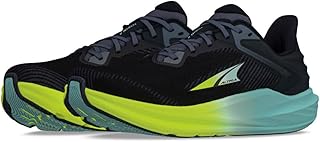
- ✓Balanced Cushioning zero-drop platform aligns heel and forefoot naturally
- ✓Altra EGO MAX midsole foam delivers plush, long-lasting shock absorption
- ✓FootShape toe box allows toes to splay for inherent platform stability
PROS
- + Anatomical FootShape fit
- + Plush EGO MAX foam
- + Zero-drop natural stride
CONS
- – Requires a transition period
- – Slightly short tongue design
For zero-drop runners seeking reliable protection, the Altra Torin 8 delivers a highly cushioned ride. While Altra’s upcoming Torin 9 will bring a dual-density midsole update, the active Torin 8 remains our go-to zero-drop road trainer. It’s built with a 30mm stack of Altra EGO MAX foam that absorbs road shock, while the foot-shaped toe box allows your toes to splay for natural stability. Similar to the models in our guide to the best zero-drop running shoes, it keeps you aligned without feeling stiff.
- Why it’s good for heavy runners: Combines a comfortable 30mm zero-drop platform with a foot-shaped toe box for natural stability and toe splay.
- Skip it if: Skip it if you are used to a high heel-to-toe drop and want immediate calf relief.
- Best For: Neutral or stability runners carrying more weight who need robust shock absorption.
Best for Rugged Trails
Nike Zegama 2

- ✓Vibram Megagrip outsole with traction lugs provides exceptional off-road traction
- ✓ZoomX foam midsole with SR-02 carrier absorbs heavy trail impacts
- ✓Engineered mesh upper locks the foot securely over a wide footprint
PROS
- + Vibram Megagrip outsole
- + Deep responsive ZoomX foam
- + Accommodating wider fit
CONS
- – Higher price point
- – Tongue design is thin
If you want to take your runs off-road, the Nike Zegama 2 offers the rugged traction and heavy-duty protection needed for technical trails. It features a thick ZoomX foam midsole encased in a firm SR-02 carrier, offering deep shock absorption without compromising stability. The Vibram Megagrip outsole ensures you won’t slip on loose dirt, making it a standout option among some of the best trail running shoes. With a secure engineered mesh upper, it keeps your foot locked in over uneven terrain, ensuring your joints stay comfortable.
- Why it’s good for heavy runners: Provides premium, responsive ZoomX cushioning with a stable carrier and outstanding Vibram Megagrip traction.
- Skip it if: Skip it if you prefer a low-profile, flexible trail shoe with high ground feedback.
- Best For: Neutral or stability runners carrying more weight who need robust shock absorption.
Best Trail-To-Road Versatility
The North Face Altamesa 500 v2

- ✓Nitrogen-infused DREAM TPU foam midsole absorbs heavy road and trail impacts
- ✓Surface CTRL rubber outsole provides durable traction on mixed terrain
- ✓Seamless engineered mesh upper with internal bootie delivers a secure fit
PROS
- + DREAM TPU cushion
- + Surface CTRL hybrid traction
- + Wide inherent stability
CONS
- – Runs slightly warm
- – Heavy when wet
For runners who split their miles between concrete and trail roads, The North Face Altamesa 500 v2 is an excellent hybrid option. It features a high-stack 36mm heel of nitrogen-infused DREAM TPU foam that feels soft and resilient under heavy impacts. The wide underfoot platform provides inherent stability on uneven dirt, while the Surface CTRL rubber outsole grips trails without feeling clunky on roads.
- Why it’s good for heavy runners: Delivers outstanding plush nitrogen-infused DREAM TPU foam cushioning and Surface CTRL road-to-trail versatility on a wide platform.
- Skip it if: Skip it if you want a minimal, lightweight racer or a highly aggressive mud-shedding trail shoe.
- Best For: Neutral or stability runners carrying more weight who need robust shock absorption.
How to Choose the Best Running Shoes for Heavy Runners
Foam Density and Resiliency
The single most important factor for heavier runners is the midsole foam’s ability to resist bottoming out. When a foam collapses completely under your weight, your foot hits the firm strobel board underneath, which leads to joint fatigue and wobbly landings. Traditional EVA foams are notorious for packing out quickly under high load, turning a soft shoe into a brick in just a couple of months. Instead, look for supercritical, nitrogen-infused, or dual-density foams. These modern compounds use locked-in gas bubbles that bounce back resiliently under pressure, retaining their cushioning over hundreds of miles. They feel bouncy and supportive, ensuring your feet don’t sink straight through the foam to the road.
Platform Width and Geometry
A tall stack of soft foam is useless if it’s narrow. If the shoe’s base is too slim, your foot will spill over the edges, creating instability and causing your ankles to roll inward. Heavier runners benefit from a wide footprint, especially under the midfoot and heel. A wide base acts like a stable foundation for a house, preventing lateral movement and side-to-side wobble. Additionally, a slight rocker geometry can help by rolling your foot smoothly forward through the gait cycle, reducing the time your joints spend under maximum load.
Outsole Coverage and Durability
Don’t overlook the outsole rubber. A shoe with minimal rubber coverage might save an ounce of weight, but it leaves the soft midsole foam exposed to abrasive concrete. Heavier runners wear down outsoles much faster. Look for full-coverage rubber outsoles, preferably made of durable carbon rubber. Not only does this extend the shoe’s life, but it also adds structural stiffness to the entire shoe. This stiffness acts as a natural stabilizer, preventing the midsole from shearing or twisting under pressure.
Why Shoe Lifespan Differs
It’s worth noting that heavier runners compress midsoles further, which accelerates foam fatigue. To offset this, look for shoes that incorporate guiding elements, such as higher foam sidewalls that cup the foot, or structural stability plates. These design details help distribute pressure evenly across the platform, saving the foam from localized wear and extending the mileage you can get out of your training gear.
Which Running Shoe for Heavy Runners Should You Buy?
Finding the right gear doesn’t have to be a guessing game. If you need maximum stability and motion control under heavy loads, the Brooks Beast GTS 26 is the king of support. For neutral runners wanting a soft, pillowy ride, the ASICS Gel-Nimbus 28 delivers absolute comfort. If you want a bouncy daily trainer that won’t pack out, the Saucony Triumph 24 is a stellar choice, while the HOKA Bondi 9 is perfect for pure impact protection on a wide footprint.
If you prefer a natural foot shape, the Topo Athletic Phantom 4 offers a roomy toe box on a stable 5mm drop. For zero-drop road running, the Altra Torin 8 provides a balanced, natural ride, while the Nike Zegama 2 is the ultimate choice for rugged trail protection. If you need road-to-trail versatility, the The North Face Altamesa 500 v2 performs beautifully on mixed surfaces. Select the model that fits your gait, and enjoy your training.
Frequently Asked Questions (FAQs)
Do heavier runners need stability shoes?
Not necessarily. While many heavier runners benefit from stability features like guide rails or wider platforms to prevent overpronation under load, you don’t need them if you have a neutral gait. If your ankles don’t roll inward, a stable neutral shoe like the ASICS Gel-Nimbus 28 or HOKA Bondi 9 offers plenty of wide-base support without force-correcting your stride.
How many miles will a running shoe last for a heavy runner?
You can expect a high-quality daily trainer to last between 200 and 300 miles for a heavier runner. Because the foam compresses further under higher loads, it fatigues faster than it would for a lighter runner. Look for premium supercritical midsoles and full-coverage outsoles to extend the shoe’s life.
Are max-cushion shoes bad for heavy runners?
They’re fantastic for impact protection, but only if they have a wide base. Ultra-soft max-cushion shoes with narrow platforms can feel like standing on a wobbly marshmallow, which strains your ankles and knees. Choose max-cushion shoes like the HOKA Bondi 9 or Brooks Glycerin 23, which pair tall foam stacks with wide, stable footprints.
What drop is best for heavy runners?
A moderate drop of 6mm to 8mm is usually the sweet spot. It provides a balanced distribution of load between your calves and knees. Extremely high drops (10mm+) can push your weight forward onto your forefoot, while zero-drop shoes require a long transition period to avoid calf strain.
How do I know if my shoe has bottomed out?
You’ll feel a distinct loss of bounce, and your runs will start leaving your feet and joints unusually sore. If you inspect the midsole and see deep, permanent wrinkles in the foam that don’t disappear after a day of rest, or if you can compress the midsole completely with simple thumb pressure, it’s time to replace them.
