

When my partner and I started our running journey two years ago, we fell into the exact same trap most beginners do. We didn’t just want to “run”—we wanted to see a specific number on a screen.
We went all-in. We bought an advanced “smart” scale that synced to our phones, tracking every ounce and percentage of body fat. Every morning was the same routine: wake up, step on the scale, and let a piece of technology decide if we were having a good day or a bad day.
For me (5’7″, 140-150 lbs), my goal was mainly maintenance and getting faster. For my partner (5’5″, 170-180 lbs), the primary goal was running for weight loss. But after a few weeks of consistent miles, we hit a massive mental hurdle: the scale stopped moving. Even though our runs were getting better and we felt stronger, the numbers stayed stagnant.
Here is what we learned about why the scale is a liar and how we finally broke through the plateau to reach our biggest goals yet.
The Scale Trap and the Mental Hurdle Tracking Weight Loss
There is nothing more frustrating than putting in the miles and seeing zero “progress” on the scale. For my partner, this was a real mental struggle. When your goal is weight loss, you expect a linear drop. But our bodies aren’t spreadsheets.
We eventually realized that by obsessing over the daily flux, we were missing the actual improvement. We were getting faster, our endurance was climbing, and our clothes were fitting differently—but we were too busy staring at an app to notice.
The biggest shift happened when we actually stopped checking the scale daily. We realized that weight loss is a long-term byproduct of habit, not an overnight reward for a single run. The scale is just a tool; it’s meant to help us, not be the reason why we run.
Shifting Focus: From Numbers to Habits
Once we stopped letting the scale dictate our moods, we shifted our focus to “inputs” rather than “outputs.” We stopped chasing a lower number and started chasing better habits: drinking more water, prioritizing 7–8 hours of sleep, walking 10k steps a day and actually fueling for the run rather than just eating less.
Guess what? Once the focus shifted to these healthy habits and consistency, the scale eventually did start to move. It was the realization that you have to build a healthy body to run well, rather than just running to “fix” your body.
The Marathon Proof: When Habits Meet Results
The ultimate proof of this “habit-first” mentality came when we spent three months training for our first marathon. We stopped looking at the daily fluctuations and started looking at the training blocks.
By sticking to a consistent routine and focusing on fueling rather than restricting, the results were better than we ever imagined. During that three-month window, my partner lost almost 20 lbs without obsessing over the scale every morning. And because I focused on my health and maintenance rather than a “target weight,” I was able to build the engine I needed to hit my goal marathon time of 3:30.
Two Bodies, Two Different Metrics of Success
One of the coolest parts of running together is seeing how our bodies respond differently. Because we have different builds and goals, our “wins” look very different.
The Power and Stamina Shift
For my partner, success moved away from the scale and toward training volume. As they got more comfortable, they started gradually increasing intensity. It wasn’t done overnight—it was a two-year habit change. Now, they’re doing faster workouts and have a world of options in their training because they built the stamina first.
The Speed and Health Shift
For me, my primary metric is a mix of speed and health. I’m constantly chasing faster times—like that 3:30 marathon finish—and maintaining my monthly race streak. At the end of the day, I run to feel good. Maintaining a healthy weight is part of it, but never at the expense of my mental well-being.
How to Track Your Weight Without Losing Your Mind
If you’re like us and find it hard to quit the scale cold turkey, you need a healthier strategy.
- Look for Trends, Not Snapshots: Your weight can fluctuate 3–5 pounds in a day based on salt, water, and hormones. Stop looking at the daily number and start looking at the weekly or monthly average.
- The “Once a Week” Rule: We found that weighing in once a week (same time, same day) provides a clearer picture without the daily anxiety.
- Use Multiple Metrics: Track your waist circumference, how your favorite jeans feel, or your heart rate during a steady run. If your heart is working less to do the same work, you’re gaining fitness.
Adapting to Your Environment: Why Conditions Matter
Funny enough one of the biggest “lies” the scale tells you happens when the environment changes. Running in different conditions—whether it’s high altitude or intense heat—puts extra stress on your body that the scale doesn’t understand.
The Florida Humidity Reality
Living and running in Florida, we deal with high heat for a large part of the year. In high heat and humidity, your sweat can’t evaporate to cool you down, which sends your heart rate skyrocketing and causes massive water weight shifts (breathable shoes can help a bit though!).
I’ve had runs where I’ve “lost” 4 lbs of water weight in an hour, only to see it come back the second I hydrate. To stay strong here, we also incorporate cross-training like swimming and indoor biking to build strength without the constant heat and environmental stress. So be sure to take your environment into consideration when checking the scale.
A Sustainable “Day in the Life” Routine
To keep things consistent for two years, we had to move learn a sustainable rhythm. Here is what a typical day looks like for us:
- 7:00 AM – The 10-Minute Buffer: We start with a brisk walk or dynamic stretching to wake up the joints.
- 7:15 AM – Conversational Miles: We run for 30–45 minutes at a pace where we can still talk. If we’re gasping for air, we’re going too fast.
- 8:00 AM – Refuel as Recovery: We prioritize high protein and complex carbs (like Greek yogurt or eggs) to fuel. And of course plenty of water.
- The Weekly Rhythm: We aim for 3–4 runs per week, with 2 days of low-impact cross-training (swimming/biking) and at least one full rest day.
Tips for Sustainable Weight Loss Through Running
- Find a Healthy Caloric Deficit: Weight loss fundamentally requires a caloric deficit, but as a runner, you have to be careful. I’ve learned that a “slight” deficit is better than a drastic one. If you cut calories too hard, you’ll have zero energy for your runs and your recovery will tank. Aim for a small, sustainable gap where you’re eating enough to feel strong on the pavement but still moving the needle over the long term.
- Don’t “Eat Back” Your Calories: It’s tempting to finish a 3-mile run and think you’ve earned a massive surplus. Eat to fuel your recovery, but keep your nutrition consistent.
- Gradual Habit Changes: Don’t try to change your diet, your sleep, and your running routine all in one Monday. Pick one thing to master each month.
- Cross-Train to Build Strength: We personally swim and bike on our “off” days. It builds different muscle groups and prevents the repetitive impact injuries that often stall weight loss journeys.
The Role of Gear and Community
No matter your weight or your goal, the physical impact of running is real. We’ve both found that the right shoes are non-negotiable for staying injury-free.
Finding the Right “Squish”
We both gravitate toward shoes that can handle the impact. My partner prefers versatile, “squishy” shoes like the Brooks Ghost because they provide the cushion needed for daily miles.
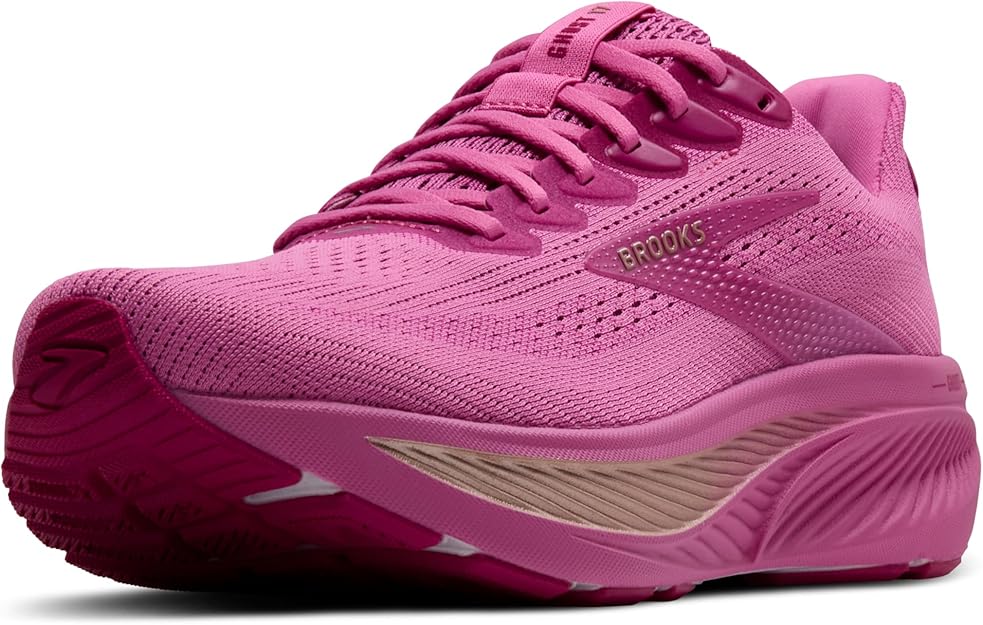
Brooks Ghost 17
I personally lean toward faster speed shoes like the Hoka Mach 6 for my training. We’ve learned to buy the shoe that fits our specific training goal and body type.

The Run Club Advantage
If you’re struggling with the mental side of weight loss, join a run club. We both did, and surrounding ourselves with a community of people working toward similar goals was a game-changer. It takes the focus off your individual “stats” and puts it on the shared experience.
If you can’t find any local run clubs, I recommend checking out digital run clubs on social platforms like Strava.
Trust the Training, Not the Scale
The next time you step on the scale and feel that familiar sting of disappointment, remember: The scale is a tool, not a judge. Weight loss through running is a slow burn. Give yourself the grace to be a beginner, and give your body the time it needs to catch up to your effort.
Once you hit that 2-year mark, you’ll realize the best things you gained—stamina, confidence, and community—can’t be measured in pounds (and hopefully you’ll have lost a few of those lbs along the way).
Frequently Asked Questions (FAQs)
Why am I running but not losing weight?
You might be gaining muscle while losing fat, or your body might be holding onto water.
How much weight can you lose training for a marathon?
While it varies, my partner lost nearly 20 lbs in three months. However, the focus was on performance and fueling, which allowed the weight to come off sustainably.
Is it normal for my weight to fluctuate after a long run?
Absolutely. Inflammation and water retention are part of the recovery process. Don’t let a post-run “gain” discourage you.
How does humidity affect weight?
High heat causes heavy sweating. Any weight lost during a hot run is primarily water weight and will return once you hydrate.
Do I need special shoes if I’m a heavier runner?
You should look for high-quality cushioning shoes like the Vomero Plus to help absorb impact and protect your joints.
What if I can’t run for 30 minutes yet?
Use the walk-run method. Run for 2 minutes, walk for 1. Gradually increase the run time as your endurance builds.
