
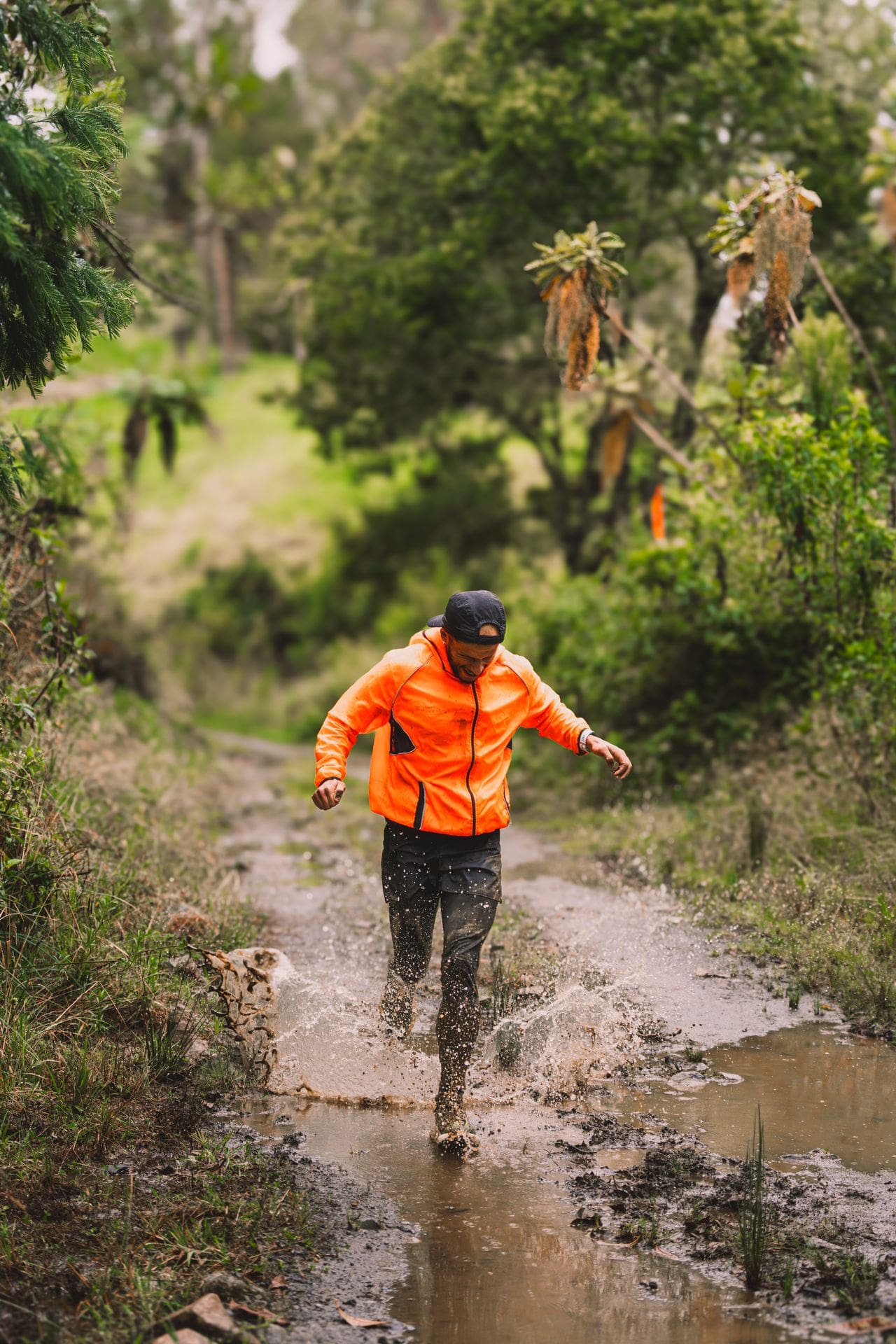
There’s a special kind of mental hurdle when you look out your window and see steady sheets of rain bouncing off the pavement. Your first instinct is to pull the covers up and reschedule your workout for tomorrow. But running in the rain doesn’t have to be a miserable, soggy slog. In fact, when you’ve got the right gear prep and safety awareness dialed in, a wet workout can be one of the most refreshing and peaceful runs of your week.
The real secret to enjoying wet miles isn’t trying to stay 100% bone dry from head to toe; it’s about managing moisture, preventing skin friction, keeping your core warm, and staying upright on slick surfaces. In this guide, we’ll walk through practical runner strategies to protect your feet from painful blisters, choose the right gear, navigate slippery roads, and care for your shoes when you get back home.
How to Run in the Rain: What You Need to Know
- The Physics of Wet Blisters & Skin Protection
- Layering & Rain Jackets
- Socks & Footwear: Waterproof Shoes vs. Drainage
- Ankle Collar Defense & Splash Protection
- Slick-Road Traction & Footing Cues
- How to Properly Dry Your Running Shoes
- Wrapping Up: Embracing the Wet Miles
- Frequently Asked Questions
The Physics of Wet Blisters & Skin Protection
Blisters are caused by three main factors: heat, friction, and moisture. When rain saturates your footwear, it creates a phenomenon known as maceration. Excess water softens the outer keratin layers of your skin, weakening the bonds between cells. Softened, damp skin has a much higher coefficient of friction than dry skin, meaning every slight rub against your shoe upper acts like wet sandpaper.
The number one culprit behind devastating wet-run blisters is cotton. Cotton fibers are hydrophilic, meaning they absorb water readily and expand, holding up to twenty times their dry weight in moisture. Once wet, cotton socks lose their shape, sag, bunch up in the toe box, and trap moisture directly against your skin. You shouldn’t ever wear cotton socks or cotton shirts in the rain.
To prevent blisters on rainy days, you’ll need hydrophobic synthetic fibers or natural merino wool that wick moisture outward and maintain their shape when saturated.
Anti-Chafe Defense: Where to Apply Balms
Chafing during a dry run is uncomfortable; chafing during a wet run can be excruciating. Rain accelerates skin-on-skin and fabric-on-skin friction across every part of your body. Before you step outside into a storm, take two minutes to apply a water-resistant anti-chafe stick to your key problem zones:
- Your Feet: Swipe balm directly across your Achilles tendon, the balls of your feet, between your toes, and along the outer edge of your pinky toes so they won’t rub.
- The Underarms & Chest: Friction from wet singlet seams or sports bra bands will quickly cause chafing. Apply a generous layer along bra lines and inner upper arms.
- The Inner Thighs: Wet running shorts cling to your skin and bunch together. Coating your inner thighs prevents painful friction burns on longer runs.

- ✓Plant-derived formula creates an invisible, water-resistant protective barrier.
- ✓Non-greasy, petroleum-free barrier glides on cleanly without ruining technical fabrics.
- ✓Stays effective through heavy downpours, sweat, and long marathon training miles.
Layering & Rain Jackets
When rain combines with cold temperatures, maintaining your core temperature is critical to avoid hypothermia and muscle tightness. The golden rule of wet-weather dressing is to dress for the second mile, not the first:
- Under 45°F (7°C) & Heavy Rain: Wear a technical base layer topped by a true waterproof, breathable shell with sealed seams.
- 45°F to 60°F (7°C to 15°C): A lightweight, water-resistant wind shell or technical long-sleeve is usually ideal. It blocks chilly wind while preventing you from overheating.
- Above 60°F (15°C): Wear minimal, quick-drying technical fabrics (like a singlet and split shorts). A heavy rain jacket in warm weather will simply trap body sweat, making you just as wet from the inside.
Best Rain Jacket

- ✓AdvancedSkin Dry 10K/10K waterproof and breathable fabric protection.
- ✓Ultralight ripstop shell packs neatly into its own chest pocket for easy carrying.
- ✓Smart hood design fits snugly around the head without obstructing peripheral vision.
Socks & Footwear: Waterproof Shoes vs. Drainage
Your socks and footwear are the frontline defense between your skin and wet roads. When you’re preparing for rainy runs, matching your socks and shoes to the temperature and route conditions makes all the difference.
Technical Merino Wool vs. Synthetic Socks
When choosing running socks for rain, you’ll want to balance warmth and quick-drying performance:
- Merino Wool (Best for Cold Rain & Winter Slush): Merino wool is nature’s miracle fiber for runners. Unlike cotton, wool fibers have crimped structures that trap insulating air pockets even when they’re completely soaked. If you’re running in temperatures below 55°F (13°C), merino wool keeps your toes warm and comfortable even if you step straight into an icy puddle.
- Technical Synthetics (Best for Warm Summer Downpours): In warm, humid summer rain, wool can feel slightly too warm. Premium synthetic blends (such as nylon, polyester, and elastane) don’t retain as much heat and dry significantly faster. Just like when you’re running in heat and humidity, breathable synthetics shed water quickly so your feet won’t feel heavy.
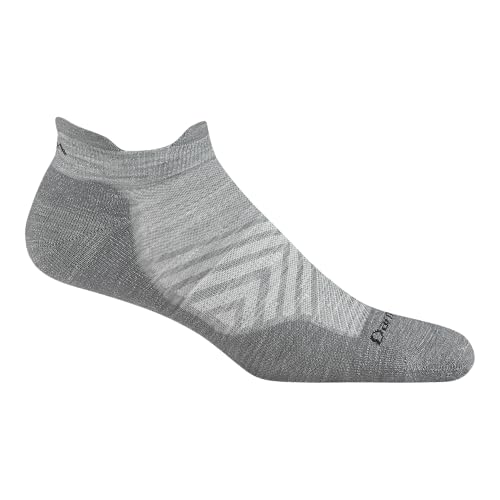
- ✓High-density fine gauge knit with natural thermoregulating merino wool.
- ✓Moisture-wicking action moves dampness away from skin to prevent blister-causing hot spots.
- ✓True Seamless toe closure eliminates bulky interior seams that rub against wet toes.
When to Choose Waterproof Footwear
Waterproof shoes featuring bonded membranes like GORE-TEX Invisible Fit are fantastic for running through shallow puddles, wet grass, steady drizzle, and slushy roads. They completely block cold moisture from penetrating the upper, keeping your feet dry and warm on chilly morning runs. If you’re looking for dedicated stormproof options, check out our roundup of the best waterproof running shoes for our top road, hybrid, and technical trail picks. If you frequently transition between wet asphalt and gravel park trails, exploring dedicated road-to-trail running shoes also provides added grip on slippery surfaces.
Top Waterproof Road-to-Trail Shoe

- ✓ReactX foam midsole offering 13% more energy return than standard React.
- ✓GORE-TEX Invisible Fit membrane bonded seamlessly to eliminate pressure points.
- ✓Engineered mini-gaiter along the collar to block splashed water and trail debris.
- ✓Generative Nike ATC rubber outsole with 3.5mm multidirectional traction lugs.
When to Choose Breathable, Fast-Draining Shoes
If you’re facing deep trail crossings where water rises above your ankles or running through warm summer cloudbursts, waterproof shoes can actually work against you. Once water pours over the ankle collar, a waterproof membrane traps that water inside, creating a heavy, sloshing sensation. In those conditions, an open, highly breathable mesh shoe paired with merino wool socks allows water to pump out with every stride and drain rapidly.
Ankle Collar Defense & Splash Protection
Even if your shoes are 100% waterproof, your ankle opening remains vulnerable. When you run, your rear foot kicks road spray, mud, and water droplets upward against your calves, allowing moisture and grit to run down inside your socks. Low running gaiters act like a protective seal over your footwear collar, keeping outside splash, wet gravel, and puddle spray from entering the shoe.

- ✓Lightweight elastic shield wraps securely over shoe collars and ankles.
- ✓Durable underfoot strap and lateral hook keep the gaiter locked firmly in place.
- ✓Prevents puddle spray, mud, wet sand, and grit from splashing down into socks.
Slick-Road Traction & Footing Cues
Running safely in the rain requires active situational awareness. Wet asphalt usually provides adequate grip, but certain urban and trail surfaces become as slick as ice the moment they get wet:
- Painted Road Markings: Crosswalk stripes, lane dividers, and bike lane symbols are made from thermoplastic paint. When wet, they offer almost zero friction. Don’t accelerate, brake hard, or turn while stepping on painted lines.
- Metal Utility Covers & Bridge Expansion Joints: Steel manhole covers, storm grates, and metal construction plates have very low surface texture. Step over or around them whenever possible.
- Wooden Boardwalks & Wet Tree Roots: Wet wood develops a thin layer of algae and moisture that makes it exceptionally slippery. Shorten your stride, increase your cadence, and keep your center of mass directly over your feet when crossing wooden bridges.
How to Properly Dry Your Running Shoes
After you’ve finished a wet run, how you care for your footwear determines how long it’ll last. Proper drying protects the midsole foam from breaking down prematurely and prevents pungent bacterial odors from settling into the upper.
Follow these steps to safely dry your shoes:
- Rinse Away Mud: Use lukewarm tap water and a soft brush to remove road grit and mud from the upper and outsole before it dries into crusty dirt.
- Remove the Insoles: Pull out the removable sockliners and stand them up separately. This lets air circulate freely through the bottom of the footbed.
- Loosen the Lacing: Unlace the top eyelets and pull the tongue forward to open the shoe collar as wide as possible.
- Stuff with Newspaper: Crumple up black-and-white newspaper or unprinted paper towels and pack them tightly into the toe box and midfoot. The paper rapidly absorbs interior moisture. Replace the damp paper with fresh dry sheets after two to three hours.
- Never Use Direct Heat: Don’t ever put running shoes in a clothes dryer, under a hair dryer, or right next to a radiator. High heat melts the water-based glues holding the upper and midsole together, warps the heel counter, and stiffens the foam cushioning. If you’re wondering about the lifespan of your footwear, check out our guide on when to replace running shoes.
Running Hydration & Fluid Calculator
Cold, rainy weather can trick your body into blunting its thirst response, but you still lose significant fluid through respiration and sweat under waterproof layers. Use our free calculator to find your exact hourly fluid and electrolyte needs based on temperature, pace, and body weight.
Calculate Your Fluid Needs →Wrapping Up: Embracing the Wet Miles
Rain runs build mental toughness and break the monotony of clear-weather training. By gearing up with technical merino socks, applying anti-chafe protection, stepping around slick road paint, and drying your shoes properly post-run, you can turn a stormy forecast into one of your favorite workouts. Lace up, embrace the puddles, and you’ll love every wet mile.
Frequently Asked Questions (FAQs)
Can running in the rain make you sick?
No, getting wet does not cause viral infections like colds or the flu, which are caused by pathogens. However, if cold rain drops your core body temperature significantly, it can stress your immune system. Strip off wet clothes immediately after your workout, take a warm shower, and dry your hair to stay healthy.
Should I wear a waterproof jacket or a water-resistant windbreaker?
For cold winter downpours below 45°F (7°C), a breathable waterproof rain jacket keeps freezing wind and rain off your chest. For warmer rain, a lightweight, water-resistant wind shell or breathable singlet is usually better because fully waterproof jackets trap internal body sweat, leaving you just as wet from the inside.
How do I keep rain out of my eyes while running?
Wear a running hat with a structured brim. The bill acts like a roof, deflecting raindrops away from your face and eyes so you can maintain clear vision without squinting.
How long do soaked running shoes take to dry?
When stuffed with crumpled newspaper and placed in a well-ventilated room, most running shoes will dry completely within 8 to 12 hours. If you replace the damp newspaper with fresh dry sheets after two hours, they’ll dry even faster.
Will running in the rain ruin my GPS watch or wireless earbuds?
Most modern running watches (like Garmin, Apple Watch, and COROS) have water resistance ratings of 5 ATM or higher, meaning they can easily handle downpours. Make sure your earbuds have an IPX4 or higher water-resistance rating to prevent water damage from heavy rain and sweat.
