
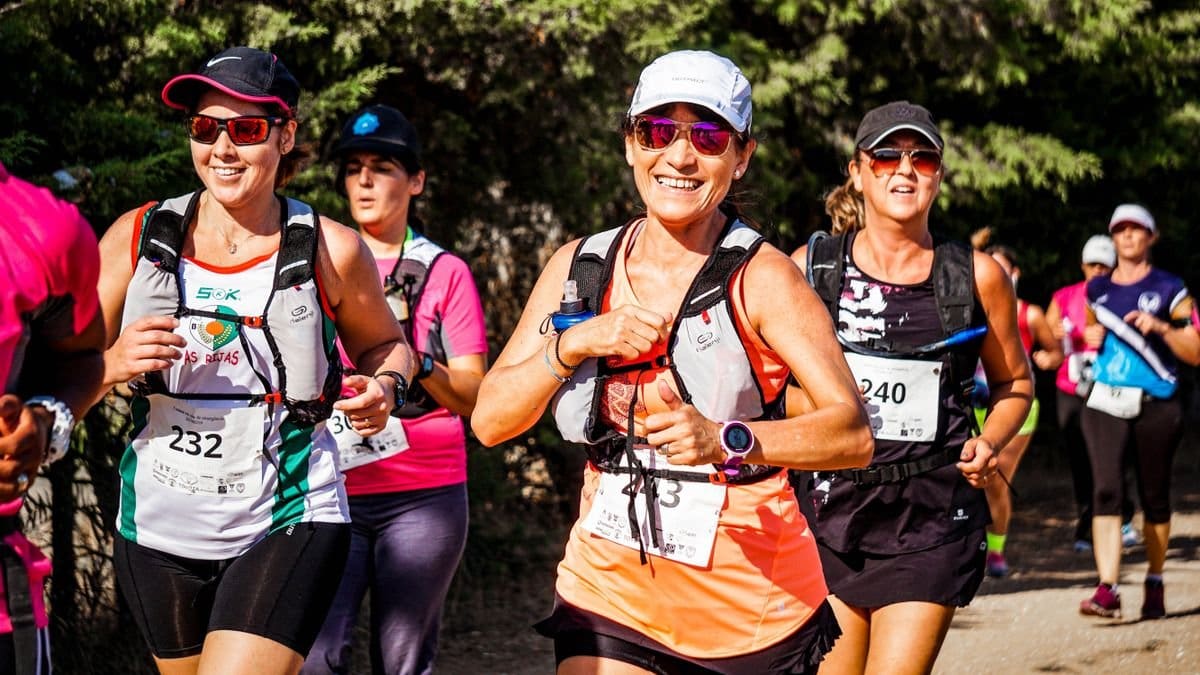
If you’re an underpronator, your feet don’t roll inward to absorb shock the way neutral runners do. Instead, high arches and rigid foot mechanics keep your weight along the outside edge of your shoes, meaning your footwear has to do the heavy lifting of absorbing road vibration.
Finding the right pair isn’t just about grabbing the softest shoe on the shelf. You need to steer clear of traditional stability shoes with rigid medial posts or inner wedges, which push your feet even further onto the outside edge. You need a plush, neutral platform with generous cushioning and an accommodating upper. Here are the top neutral trainers built to keep your strides smooth and protected.
Best Running Shoes for Supination: Our Top Picks
- Best Overall Daily Trainer: Brooks Glycerin 23
- Best Max-Cushion Cloud Ride: ASICS Gel-Nimbus 28
- Best Bouncy Energy Return: Saucony Triumph 24
- Best Soft Step-In Comfort: New Balance 1080 v15
- Best Max Impact Absorption: HOKA Bondi 9
- Best Wide Toe Box & Splay: Topo Athletic Phantom 4
Best Overall Daily Trainer
Brooks Glycerin 23

- ✓DNA TUNED dual-cell nitrogen foam provides tuned impact absorption
- ✓Broad neutral base prevents unstable tipping on uneven roads
- ✓Engineered warp knit upper accommodates high insteps with ease
PROS
- + Plush nitrogen cushioning
- + Generous high-arch room
- + Durable road grip
CONS
- – Feels slightly heavy
- – Not built for intervals
The Brooks Glycerin 23 is our top recommendation for supinators because it delivers plush road dampening without feeling squishy or unstable. Its nitrogen-infused DNA TUNED midsole absorbs lateral heel strikes smoothly, protecting rigid ankles that don’t naturally roll inward. You get a protective underfoot platform that keeps your strides tracking cleanly through long morning miles.
Brooks redesigned the upper with a flexible warp knit that hugs the midfoot securely while leaving ample vertical volume for taller arches. The RoadTack rubber outsole provides dependable traction in wet weather and resists premature wear along the outer perimeter. If you want a dependable daily trainer that handles high volume, this shoe fits the bill.
- Why it wins: It combines soft nitrogen-infused foam with an accommodating upper that relieves pressure across high insteps.
- Key Feature: Introduces DNA TUNED dual-cell nitrogen cushioning with 2mm added forefoot foam.
- Best For: Runners with rigid high arches who want dependable, plush neutral cushioning for everyday training runs.
Best Max-Cushion Cloud Ride
ASICS Gel-Nimbus 28
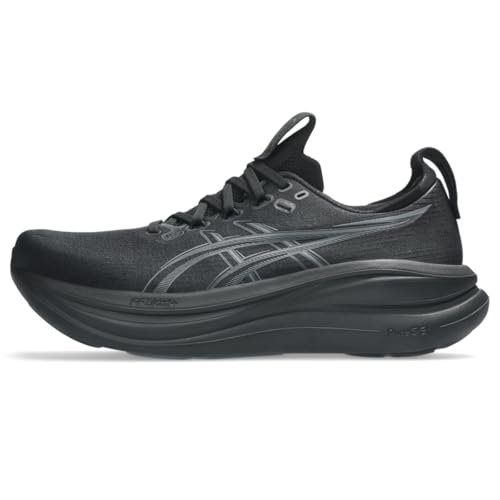
- ✓PureGEL rearfoot insert cushions lateral heel landings
- ✓Thick FF BLAST PLUS stack isolates feet from hard asphalt
- ✓Stretch knit collar hugs the ankle securely without hot spots
PROS
- + Unrivaled landing softness
- + Soft step-in comfort
- + Smooth heel bevel
CONS
- – Runs slightly warm
- – Subdued energy rebound
If your primary goal as an underpronator is maximum impact isolation, the ASICS Gel-Nimbus 28 is engineered for you. The rearfoot PureGEL insert works alongside a massive bed of FF BLAST PLUS foam to cushion lateral touchdowns and damp hard pavement vibration. You get a pillowy sensation that protects your joints over high-mileage blocks.
The engineered knit upper wraps like a plush sock, stretching comfortably around prominent arch profiles without creating hot spots across the top of your foot. A broad footprint ensures that despite the towering stack height, landings stay predictable and steady. It is a standout choice for recovery days and easy miles.
- Why it wins: It provides the most forgiving shock absorption of any neutral daily trainer on the market.
- Key Feature: Refined PureGEL placement and a lighter knit structure shave weight while maintaining max cushioning.
- Best For: Runners seeking the softest possible underfoot protection to insulate rigid joints on long road runs.
Best Bouncy Energy Return
Saucony Triumph 24

- ✓incrediLUX midsole foam delivers springy and energetic rebound
- ✓Generous 10mm drop relieves tension along tight Achilles tendons
- ✓Segmented XT-900 carbon rubber outsole resists lateral abrasion
PROS
- + Lively energetic bounce
- + Impressively lightweight build
- + Durable rubber outsole
CONS
- – Higher retail price
- – Snug midfoot lockdown
Many max-cushioned shoes feel dull and sinky underfoot, but the Saucony Triumph 24 brings serious bounce to the table. Its incrediLUX foam midsole compresses smoothly upon landing before springing right back, giving supinators the forward momentum that rigid arches often lack. The 10mm drop also eases strain on tight calf muscles, making it a great pairing with our advice on heel-to-toe drop.
The engineered mesh upper features a gusseted tongue that stays centered without sliding across high insteps during quick turns. Saucony reinforced the outer edge with durable XT-900 rubber, so you won’t grind through the tread prematurely if you land hard on your lateral heel. It’s a fantastic long-run trainer that makes marathon prep feel lively.
- Why it wins: It pairs premium stack height with responsive incrediLUX foam for effortless energy return on long runs.
- Key Feature: Introduces incrediLUX supercritical cushioning to replace older PWRRUN formulations for higher energy return.
- Best For: Underpronators who want deep impact cushioning combined with energetic, springy toe-offs.
Best Soft Step-In Comfort
New Balance 1080 v15

- ✓Infinion supercritical foam delivers a resilient and responsive ride
- ✓Gentle forefoot flex lets rigid feet roll through the toe-off phase
- ✓Soft engineered mesh upper prevents rubbing against outer toes
PROS
- + Velvety step-in feel
- + Flexible forefoot transition
- + Comfortable padded collar
CONS
- – Foam feels slightly soft
- – Not for fast tempos
The New Balance 1080 v15 shines for underpronators who dislike the rigid, rockered feel of modern super trainers. Its Infinion supercritical midsole provides a gentle, flexible underfoot platform that lets your foot flex naturally rather than forcing you into a predetermined stride path. The result is a smooth, forgiving experience from your first mile to your last.
Up top, New Balance crafted a soft engineered mesh upper with plenty of horizontal stretch across the forefoot, eliminating outer toe friction that supinators frequently experience. The heel counter is lightly padded and supportive without digging into the Achilles. If you value all-day comfort and natural road manners, this trainer is tough to beat.
- Why it wins: It delivers immediate step-in softness with a flexible forefoot that accommodates rigid foot strikes.
- Key Feature: Replaces Fresh Foam X with all-new Infinion supercritical foam for higher energy return and a lighter build.
- Best For: Runners with underpronation who prefer a flexible, plush shoe that lets the foot flex naturally.
Best Max Impact Absorption
HOKA Bondi 9

- ✓Towering supercritical EVA midsole minimizes shock transmission
- ✓Early stage Meta-Rocker guides lateral landings into smooth toe-offs
- ✓Wide base platform provides passive stability without medial posts
PROS
- + Maximum joint protection
- + Smooth rolling rocker
- + Broad stable platform
CONS
- – Bulky profile
- – Low road sensitivity
For underpronators seeking maximum joint protection and deep impact dampening, the HOKA Bondi 9 provides the ultimate road buffer. With a colossal 43mm heel stack of supercritical EVA foam, it effectively cancels out the harsh vibration that travels up your lower legs. The curved Meta-Rocker geometry gently rolls your weight forward, taking the strain off your forefoot during push-off.
HOKA built this shoe on a wide footprint that naturally resists outward tipping without relying on restrictive guidance posts. The breathable engineered knit upper locks your heel down firmly, ensuring your foot stays centered over the thick foam platform. If maximum shock dissipation is your top goal, the Bondi 9 is an unmatched road trainer.
- Why it wins: Its massive foam stack and early-stage rocker eliminate jarring impact for runners with rigid arches.
- Key Feature: Upgrades to a supercritical EVA foam compound that reduces overall weight and adds subtle bounce.
- Best For: Heavy-landing supinators and runners recovering from joint soreness who need absolute maximum cushioning.
Best Wide Toe Box & Splay
Topo Athletic Phantom 4
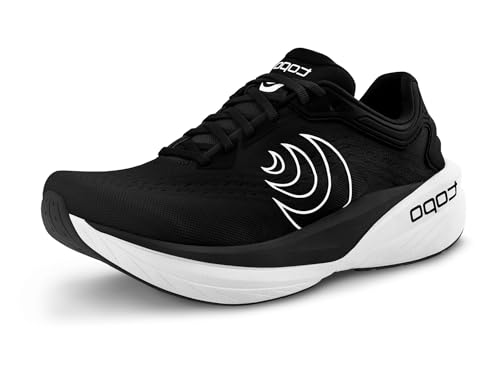
- ✓Anatomical foot-shaped toe box prevents fifth-metatarsal chafing
- ✓Dual-density ZipFoam core balances soft landings with firm response
- ✓Low 5mm heel drop encourages natural foot alignment and posture
PROS
- + Roomy anatomical toe box
- + Secure midfoot lockdown
- + Resilient ZipFoam core
CONS
- – Firmer underfoot ride
- – Distinct foot shape look
Runners who supinate often experience outer pinky toe friction due to lateral foot pressure. The Topo Athletic Phantom 4 solves this with an anatomical toe box that allows your toes to splay completely flat. Meanwhile, a snug midfoot and heel counter ensure that your foot stays securely centered on the platform.
Underneath, a dual-density ZipFoam midsole delivers durable cushioning that resists uneven compression under lateral loads. The modest 5mm drop promotes a balanced, upright posture without overloading tight calf muscles. It’s a wonderful choice for anyone seeking foot-shaped comfort with reliable daily road protection.
- Why it wins: Its foot-shaped anatomical toe box prevents the outer toe blisters and pressure common in supinating strides.
- Key Feature: Features an updated ZipFoam formula with enhanced rebound and a lighter recycled mesh upper.
- Best For: Underpronators who experience outer toe crowding and want a foot-shaped toe box with balanced cushioning.
How to Choose the Best Running Shoes for Supination
Understanding Supination Biomechanics & Outsole Wear
Supination, often called underpronation, happens when your foot doesn’t roll inward enough after landing. Take a close look at the bottom of an older pair of running shoes: if the outer edge of the heel and forefoot is worn down while the inside edge looks brand new, you’re likely supinating. You can verify your stride using our Shoe Wear Pattern Analysis Tool. Because rigid arches don’t flatten to absorb impact, your footwear has to do the heavy lifting of dampening ground forces.
Why Underpronators Must Avoid Stiff Stability Shoes
Running shoe stores frequently misdiagnose runners with ankle pain by pushing them into heavy stability models. That’s a huge mistake for supinators. Medial posts, plastic wedges, and firm inner guide rails are designed to stop excessive inward rolling. If you already land on the outside of your foot, those features shove your weight even further outward, increasing your risk of lateral ankle sprains and peroneal tendon irritation. Always stick with neutral trainers as explained in our guide to stability vs neutral running shoes.
What to Look For: Cushioning, Stack, and Upper Volume
Look for deep stacks of resilient foam that won’t bottom out under continuous lateral loading. Understanding running shoe stack height will help you pick a midsole with enough protective volume for long weekend miles. Runners who supinate also typically have high insteps, which can cause painful lace bite across the top of the foot. Prioritize shoes with stretchy knit or padded mesh uppers that give your arches plenty of vertical breathing room.
Wrapping Up: Finding the Right Cushion for Your Stride
Living with high arches and an outward foot roll doesn’t mean you’re doomed to sore shins or bruised outer feet. The key is giving your body the impact protection it can’t generate on its own. Whether you choose the plush step-in luxury of the ASICS Gel-Nimbus 28 or the lively bounce of the Saucony Triumph 24, a well-cushioned neutral trainer makes all the difference.
Take your time finding a shape that accommodates your instep without pinching. Once you’re in a neutral platform that lets your foot move naturally, those jarring pavement vibrations fade into the background so you can enjoy your miles.
Frequently Asked Questions
What is the difference between supination and underpronation?
Supination and underpronation refer to the exact same gait pattern. In both cases, the foot fails to roll inward sufficiently during the stance phase, causing excessive impact forces along the outside edge of the shoe.
Should supinators wear stability running shoes?
No, supinators should strictly avoid stability shoes. Medial posts and arch wedges are designed to prevent inward rolling, meaning they will push an underpronating foot even further onto its outer edge, drastically increasing the risk of lateral ankle strain.
What heel-to-toe drop is best for supination?
Moderate to high drops between 8mm and 10mm work well for most underpronators because they take pressure off the Achilles tendon and calf muscles, which tend to be tight in runners with rigid high arches.
How do I know if I am an underpronator?
Check the tread wear on your daily running shoes. If the rubber along the lateral outer border of your forefoot and heel is heavily shaved down compared to the middle or inner edge, you supinate.
Can custom insoles help with supination?
Yes, neutral insoles with deep heel cups and structured high arch contouring can help distribute ground reaction forces across a wider surface area. However, avoid insoles with firm medial wedges that tilt the foot further outward.
Do supinators wear out running shoes faster?
Underpronators often wear down the outer edge of outsole rubber faster than neutral runners due to concentrated lateral forces. Picking shoes with durable carbon rubber along the perimeter helps extend shoe lifespan.
