
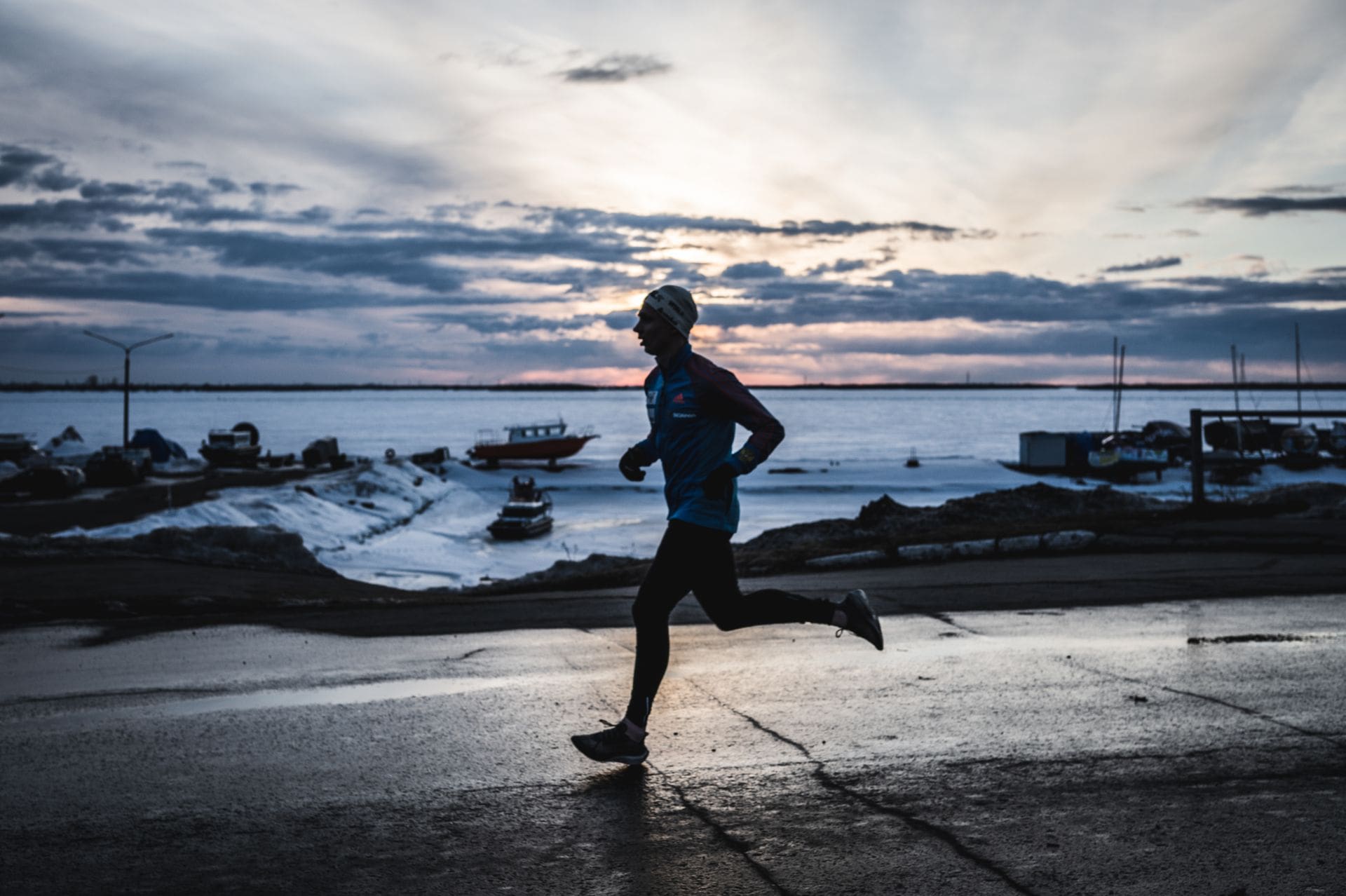
When winter arrives, logging your daily mileage gets a whole lot trickier. Sub-freezing temperatures turn regular road rubber into hard plastic, while slush, frozen ruts, and hidden patches of black ice can quickly end a workout.
Today’s dedicated winter running shoes are built specifically for cold-weather survival. They pair flexible, cold-resistant outsole rubbers and deep traction lugs with bonded GORE-TEX Invisible Fit membranes and wind-blocking uppers that lock in warmth while keeping freezing slush out. You don’t have to surrender to the indoor treadmill just because the temperature drops.
Whether you need a versatile road-to-trail hybrid for salted neighborhood loops, an aggressive deep-lugged shoe for powdery park paths, or a zero-drop winter option with a roomy toe box, we’ve broken down the top winter running shoes of 2026 to keep your feet warm, dry, and stable all season long.
Best Winter Running Shoes: Our Top Picks
- Best Road-To-Snow Hybrid: Nike Pegasus Trail 5 GORE-TEX
- Best Plush Road Daily Trainer: Brooks Ghost 18 GTX
- Best for Deep Snow & Sleet: Salomon Speedcross 6 GORE-TEX
- Best for Technical Frozen Trails: Saucony Peregrine 16 GTX
- Best Max-Cushion Door-To-Trail Shoe: HOKA Challenger 8 GTX
- Best Natural Zero-Drop & Wide Toe Box: Altra Lone Peak ALL-WTHR Low 2
Best Road-To-Snow Hybrid
Nike Pegasus Trail 5 GORE-TEX

- ✓ReactX foam midsole offering resilient cushion and energy return in freezing temps
- ✓GORE-TEX Invisible Fit membrane bonded directly to block wind, slush, and puddle spray
- ✓Engineered mini-gaiter along the ankle collar to keep snow and slush debris out
- ✓Nike All-Terrain Compound rubber outsole with 3.5mm hybrid traction lugs
PROS
- + Bouncy cold-resistant ReactX foam
- + Built-in debris collar gaiter
- + Smooth road-to-trail transition
- + Reliable wet-pavement grip
CONS
- – Lugs lack bite on sheer ice
- – Slightly warm above 45 degrees
If your winter training alternates between plowed asphalt, slushy sidewalk corners, and frozen park paths, the Nike Pegasus Trail 5 GORE-TEX is easily the most versatile trainer you’ll find. The ReactX midsole stays surprisingly springy in sub-freezing weather, delivering an energetic bounce that protects cold joints from frozen ground impact.
Up top, the GORE-TEX Invisible Fit membrane shields your feet from freezing slush splashes, while an integrated mini-gaiter hugs your ankle collar so icy grit won’t sneak inside. The 3.5mm all-terrain lugs grip slushy sidewalks securely without feeling harsh when you hit dry asphalt.
- Why it wins: ReactX foam stays lively in sub-freezing temps while the ATC outsole grips slushy asphalt without feeling clunky on clear pavement.
- Skip it if: You run exclusively on steep mountain trails covered in deep unplowed powder and sheet ice.
- Best For: Runners whose daily winter routes transition between salted roads, frozen gravel, and packed park snow.
Best Plush Road Daily Trainer
Brooks Ghost 18 GTX
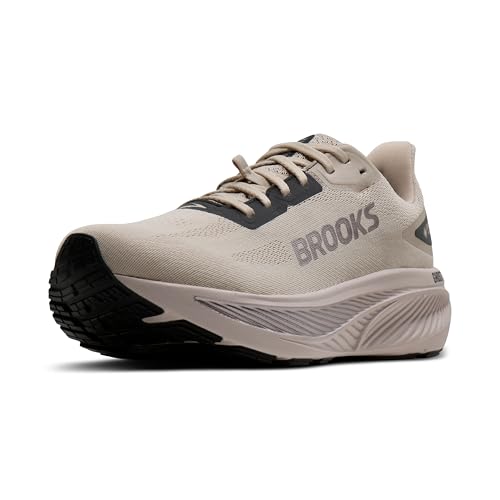
- ✓Nitrogen-infused DNA LOFT v3 cushioning delivering soft, temperature-stable comfort
- ✓Waterproof GORE-TEX Invisible Fit membrane bonded for a lightweight, flexible fit
- ✓RoadTack rubber outsole with silica additives for enhanced traction on wet, cold pavement
- ✓Plush heel collar and padded tongue to seal in warmth on freezing winter mornings
PROS
- + Soft nitrogen-infused cushioning
- + Excellent wind and slush defense
- + Predictable, smooth heel transitions
- + Plush step-in collar comfort
CONS
- – Traditional 10mm heel drop
- – Not designed for deep trail mud
For runners committed to knocking out high-mileage base training through freezing road conditions, the Brooks Ghost 18 GTX delivers predictable comfort. The nitrogen-infused DNA LOFT v3 midsole retains its plush shock absorption even when the mercury dips below freezing, keeping your calves and Achilles feeling fresh across hard frozen roads.
The bonded Invisible Fit membrane provides wind-blocking warmth and waterproof defense without creating awkward pressure points over your toes. Underfoot, the RoadTack rubber compound features extra siping to bite into wet road paint and salted asphalt. For a breakdown of the standard road version, explore our Brooks Ghost 18 review.
- Why it wins: Nitrogen-infused DNA LOFT v3 foam provides consistent, soft cushioning that doesn’t firm up in sub-zero weather.
- Skip it if: You run primarily on muddy singletrack trails or prefer low-drop, natural-feeling footwear.
- Best For: Neutral runners who want plush, dependable cushioning for high-mileage road training in cold, wet winter weather.
Best for Deep Snow & Sleet
Salomon Speedcross 6 GORE-TEX
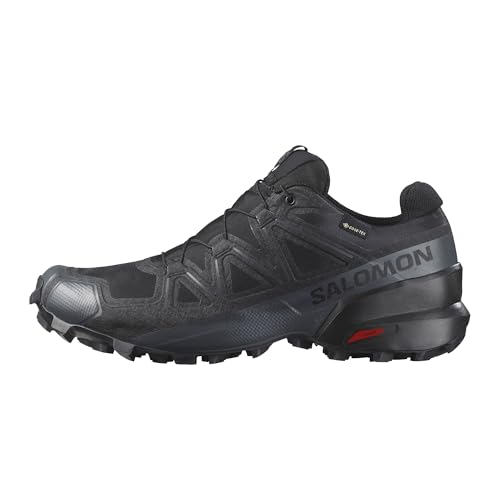
- ✓Mud Contagrip outsole with deep 5mm multidirectional chevron lugs for extreme snow grip
- ✓Full GORE-TEX waterproof bootie to block icy slush, freezing puddles, and wind
- ✓Quicklace one-pull lacing system with lace pocket for quick gloved adjustments
- ✓EnergyCell+ high-rebound midsole providing firm, responsive trail protection
PROS
- + Unbeatable traction in deep snow
- + Fast one-pull glove lacing
- + Durable ripstop upper shielding
- + Secure, locked-in heel hold
CONS
- – Feels harsh on dry pavement
- – Narrow fit in the toe box
When winter storms dump fresh snow over your favorite running trails, the Salomon Speedcross 6 GORE-TEX is the most secure shoe you can wear. The aggressive 5mm chevron lugs act like miniature snow tires, clawing through crusty snowpack and greasy slush while shedding buildup with every stride so you’ll never carry extra weight.
The rugged anti-debris mesh upper pairs with a GORE-TEX bootie to lock out freezing water and biting winter wind. Salomon’s one-pull Quicklace system makes adjustments easy even when you’re wearing thick winter gloves, and the SensiFit cradle locks your foot securely on off-camber snowdrifts. If you run in wet weather often, check out our best waterproof running shoes roundup.
- Why it wins: Deep 5mm multidirectional chevron lugs claw through snow drifts and shed slush instantly to maintain unrelenting grip.
- Skip it if: Your routes involve long stretches of dry pavement where tall rubber lugs feel clunky and wear down quickly.
- Best For: Trail runners tackling snowy singletrack, slushy bridle paths, and frozen mud.
Best for Technical Frozen Trails
Saucony Peregrine 16 GTX

- ✓PWRRUN foam midsole paired with a plush, resilient PWRRUN+ insole
- ✓Waterproof GORE-TEX Invisible Fit upper with reinforced protective mudguard
- ✓Vibram MegaGrip rubber outsole featuring aggressive lugs for frozen trail purchase
- ✓Woven rock plate embedded in the forefoot to protect against frozen stones and roots
PROS
- + Nimble trail-ready chassis
- + Low 4mm drop stability
- + Protective forefoot rock plate
- + Sticky Vibram MegaGrip rubber
CONS
- – Firm underfoot feel on asphalt
- – Snug fit around the midfoot
For trail enthusiasts navigating technical winter terrain with frozen roots, hidden rocks, and crusty ice patches, the Saucony Peregrine 16 GTX provides precise, agile ground control. Its low 4mm drop keeps your center of gravity low and stable, while the integrated rock plate shields your underfoot from sharp, frozen terrain without muting trail feedback.
The Vibram MegaGrip outsole uses 4mm multidirectional lugs arranged to bite into hard-packed snow without retaining slush. Inside, a bouncy PWRRUN+ sockliner adds a layer of step-in plushness, while the GORE-TEX Invisible Fit membrane keeps cold winds from numbing your toes. For technical trail choices, check out our best trail running shoes list.
- Why it wins: Low-profile chassis combined with sticky Vibram MegaGrip rubber delivers confident trail purchase without feeling stiff.
- Skip it if: You need ultra-plush, maximal cushioning for slow recovery miles on hard asphalt.
- Best For: Trail runners who prefer a low-drop, agile platform with clear ground feedback over frozen roots and rocky terrain.
Best Max-Cushion Door-To-Trail Shoe
HOKA Challenger 8 GTX

- ✓Plush 42mm compression-molded EVA midsole absorbing harsh shock from frozen ground
- ✓GORE-TEX Invisible Fit waterproof membrane sealing out slush and biting winter wind
- ✓Durabrasion rubber outsole with 4mm lugs engineered for smooth road-to-snow transitions
- ✓Early-stage Meta-Rocker geometry encouraging a smooth, effortless forward roll
PROS
- + Plush 42mm maximal cushioning
- + Lightweight 9.7 oz winter build
- + Smooth road-to-snow transitions
- + Bonded GORE-TEX weatherproofing
CONS
- – Lacks bite on sheet ice
- – Soft stack feels less nimble
When winter turns pavement rock-hard, the towering stack height of the HOKA Challenger 8 GTX provides unmatched joint relief. Its 42mm compression-molded EVA midsole absorbs the harsh impact of frozen concrete and icy ruts, keeping your legs feeling fresh through long base-building miles.
The GORE-TEX Invisible Fit upper blocks freezing wind and slush while fitting comfortably without stiff pressure points. Underfoot, tightly spaced 4mm Durabrasion lugs roll quietly on plowed asphalt while digging into packed park snow. For the standard trail model breakdown, check out our HOKA Challenger 8 review.
- Why it wins: A towering 42mm heel stack paired with 4mm all-terrain lugs delivers plush comfort and confident winter traction.
- Skip it if: You prefer low-to-the-ground, nimble trail racers with sharp ground feel.
- Best For: Runners who want ultra-plush, maximal cushioning to protect joints from frozen pavement and hard-packed snow.
Best Natural Zero-Drop & Wide Toe Box
Altra Lone Peak ALL-WTHR Low 2

- ✓Original FootShape toe box allowing toes to relax, splay, and retain natural warmth
- ✓Balanced Cushioning 0mm drop platform encouraging low-impact biomechanics
- ✓Altra EGO midsole delivering responsive resilience across frozen trails
- ✓MaxTrac outsole with canted TrailClaw lugs and embedded StoneGuard rock protection
PROS
- + Spacious room for thick wool socks
- + Natural zero-drop posture
- + Dependable MaxTrac snow grip
- + StoneGuard underfoot protection
CONS
- – Zero-drop requires calf adaptation
- – Water-resistant rather than full GTX
Standard tapered running shoes can constrict cold toes and restrict circulation, speeding up that painful winter numbness. The Altra Lone Peak ALL-WTHR Low 2 solves this with its signature FootShape toe box, giving your toes ample room to splay naturally so you can fit thick thermal wool socks without pinching.
The balanced 0mm drop promotes natural posture over slippery terrain, while the MaxTrac rubber outsole and canted TrailClaw lugs grip frozen snow and mud. Its water-resistant bootie construction blocks wind and freezing slush, making it a reliable winter trail companion. If you’re curious about zero drop benefits, check out our best zero drop running shoes guide.
- Why it wins: Spacious FootShape toe box allows toes to splay and circulate blood freely, preventing cold-induced toe numbness.
- Skip it if: You need high-drop heel elevation to offload tight Achilles tendons, or prefer ultra-plush maximal stack heights.
- Best For: Runners who want natural foot splay, zero-drop mechanics, and ample room for thick merino wool winter socks.
Frequently Asked Questions (FAQs)
Do I really need dedicated winter running shoes?
If you run through freezing temperatures, slush, snow, or slick salted roads, dedicated winter running shoes provide crucial warmth, water resistance, and cold-weather outsole traction that standard road shoes simply cannot deliver. They prevent frozen toes, reduce slipping risks, and protect your joints from hard, frozen pavement so you don’t have to skip workouts.
Can I run on ice with GORE-TEX running shoes?
GORE-TEX keeps your feet warm and dry, but standard rubber lugs cannot grip smooth sheet ice or black ice. For sheer ice, you should pair your winter running shoes with slip-on traction cleats (like Kahtoola NANOspikes or Yaktrax) or choose shoes with carbide-tipped metal studs so you won’t lose your footing.
Will my feet overheat in waterproof winter running shoes?
In temperatures below 40°F (4°C), waterproof and wind-blocking shoes keep your feet comfortably warm rather than overheated. However, once temperatures climb above 50°F (10°C), GORE-TEX shoes trap internal heat and foot sweat, making standard breathable mesh trainers a better option so you don’t feel clammy.
How do I dry winter running shoes after a winter run?
Remove the insoles, stuff the shoes with crumpled newspaper or dry paper towels, and place them in a warm, well-ventilated room. Avoid placing running shoes directly next to radiators, wood stoves, or inside clothes dryers, as excessive heat can melt adhesives and shrink midsole foams.
What socks should I wear with winter running shoes?
Always choose merino wool running socks over cotton or pure polyester. Merino wool retains its insulating properties even when damp from sweat or melting slush, keeping your toes warm and preventing the friction hot spots that cause winter blisters.
