
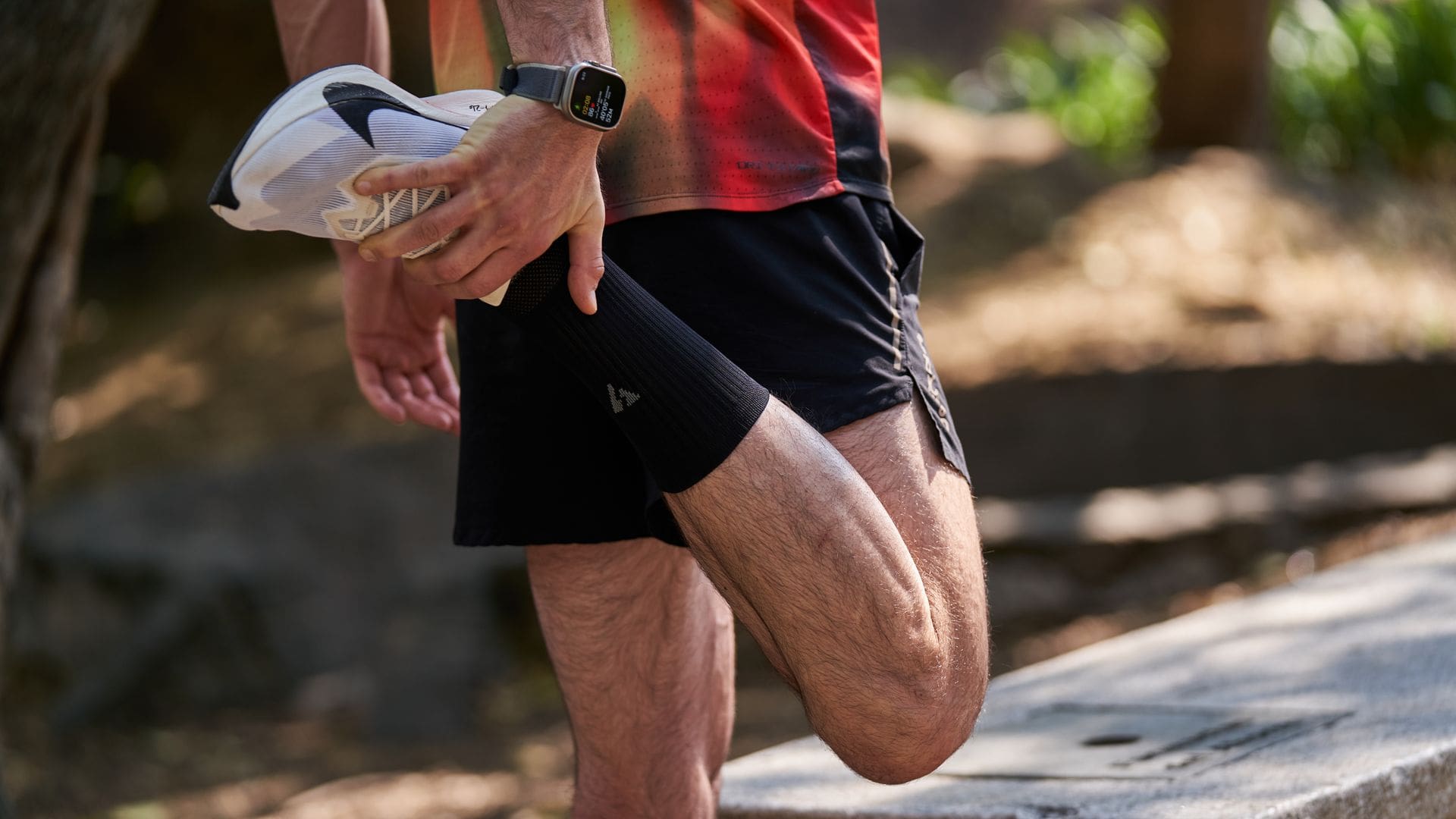
Shin splints are a runner’s worst nightmare, turning what should’ve been a peaceful morning run into a painful, throbbing chore. Usually caused by micro-tears in the muscle around your tibia, this common overuse injury typically creeps up when you increase your mileage too quickly or run on unforgiving concrete. While adjusting your training volume is the most critical step to recovery, running in the wrong footwear will only make matters worse. If your shins are tender, don’t ignore the pain.
The right pair of shoes should offer plenty of shock absorption to take the sting out of hard landings, along with stable platforms that keep your feet from rolling excessively. Let’s look at the top models that will keep you moving comfortably without aggravating your shins. If you’re dealing with other types of joint strain, check out our guide on best running shoes for plantar fasciitis for more protective options.
What Are The Best Running Shoes for Shin Splints? Our Top Picks:
- Best Overall Cushion: HOKA Bondi 9
- Best Plush Daily Trainer: ASICS GEL-Nimbus 28
- Best for Overpronation: Brooks Adrenaline GTS 25
- Best Shock Absorption: Saucony Triumph 24
- Best High-Drop Cruiser: Brooks Glycerin 23
Best Overall Cushion
HOKA Bondi 9

- ✓Supercritical EVA midsole provides maximum impact protection and a plush underfoot feel.
- ✓Active Foot Frame cradles the heel to keep your foot centered.
- ✓Durabrasion rubber outsole delivers long-lasting durability in high-wear zones.
PROS
- + Pillow-like impact protection
- + Stable platform despite high stack
- + Great for easy recovery runs
CONS
- – Heavy footprint underfoot
- – Feels slow at faster paces
When your shins are throbbing, the HOKA Bondi 9 is the closest thing to running on a protective cloud. Built with a massive stack of Hoka’s new supercritical EVA foam, it’s designed to absorb landing impact beautifully to protect your joints. The wide base platform and deep Active Foot Frame keep your foot centered, giving you a stable landing even on rough sidewalks. While it’s a bit too bulky for fast tempo sessions, it’s the absolute king of easy recovery miles. If you need maximum impact relief to get back on the road, it doesn’t get more protective than this.
- Why it wins: Unmatched cushioning thickness and impact absorption.
- Shin Protection: Massive 43mm Supercritical EVA foam bed absorbs ground reaction forces before landing shock reaches your tibia.
- Best For: Runners seeking maximum shock absorption to relieve tibial stress.
Best Plush Daily Trainer
ASICS GEL-Nimbus 28
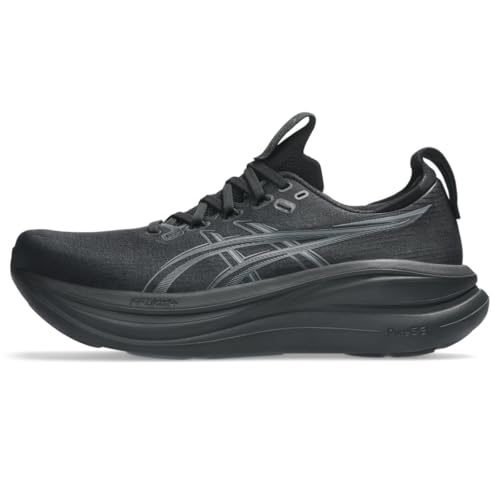
- ✓FF BLAST™ PLUS foam midsole delivers outstanding shock absorption.
- ✓PureGEL® technology insert in the heel ensures smooth landing dampening.
- ✓Engineered knit upper wraps the foot in a secure, breathable fit.
PROS
- + Outstanding shock absorption
- + Luxurious sock-like fit
- + Lightweight daily trainer feel
CONS
- – Runs slightly warm
- – Outsole wears down quickly
The ASICS GEL-Nimbus 28 is a masterclass in plush comfort with an incredibly soft underfoot feel. It combines a thick bed of FF BLAST™ PLUS foam with a hidden PureGEL™ insert under the heel to damp road vibrations on impact. What makes it stand out for shin splints is its smooth transition; instead of letting you sink, it rolls you forward naturally to reduce the work your calves and shins have to do. The premium engineered knit upper wraps your ankle like a second sock, securing your foot and reducing friction. It’s a versatile daily cruiser that makes hard roads feel soft.
- Why it wins: Blends top-tier shock absorption with a highly breathable, snug-fitting knit upper.
- Shin Protection: PureGEL® heel dampening attenuates heel-strike vibrations while an 8mm drop reduces calf and lower-leg muscle tension.
- Best For: Neutral runners seeking a lightweight daily trainer that balances plush cushion with smooth transitions.
Best for Overpronation
Brooks Adrenaline GTS 25

- ✓GuideRails support system keeps excess inward rolling in check.
- ✓DNA LOFT v3 nitrogen-infused foam provides a cushioned, durable ride.
- ✓RoadTack rubber outsole offers robust traction and longevity.
PROS
- + Excellent gait alignment
- + Comfortable nitrogen-infused foam
- + Very durable outsole
CONS
- – High 10mm drop feels stiff
- – Firm step-in feel
If you overpronate, your foot rolls inward excessively on impact, twisting your shin and pulling on the surrounding muscles. The Brooks Adrenaline GTS 25 addresses this root cause of shin splints using their signature GuideRails support system. This structural support cradles your heel and guides your foot into a neutral path without forcing it. Underneath, the nitrogen-infused DNA LOFT v3 foam provides a plush yet supportive bed that dampens concrete impact. It’s a highly reliable daily trainer that stops excessive motion before it can strain your tibia. If you notice heavy wear along the inner edge of your outsole, that’s a classic sign of overpronation indicating you need this level of structured support.
- Why it wins: Industry-standard GuideRails support combined with comfortable, protective cushioning.
- Shin Protection: GuideRails® support system prevents inward ankle roll to eliminate the rotational torque that causes shin tendonitis.
- Best For: Overpronators seeking structured support to prevent joint and shin stress.
Best Shock Absorption
Saucony Triumph 24

- ✓Supercritical incrediLUX foam delivers excellent energy return.
- ✓Towering 43mm heel stack protects your feet from concrete impacts.
- ✓XT-900 carbon rubber outsole provides durable traction.
PROS
- + Incredible cushion-to-weight ratio
- + Bouncy and energetic ride
- + Roomy toe box
CONS
- – Lacks lateral stability
- – Priced at a premium
For runners who want maximum protection in a lightweight package, the Saucony Triumph 24 is a standout option. It packs a thick stack of supercritical incrediLUX foam that dampens landing shock. You’ll find the ride is extremely springy and bouncy, returning energy with every step to take the pressure off your lower legs. The heel-to-toe drop unweights your Achilles tendon and calves, which can relieve tension on your shins during high-mileage training blocks. It’s a premium daily cruiser that feels lively and protective.
- Why it wins: Offers a massive stack height with exceptional bounce at a weight below 9 ounces.
- Shin Protection: Supercritical incrediLUX foam cushions heavy landings while a high 10mm drop shifts loading away from lower-leg muscles.
- Best For: Runners seeking maximum shock absorption and high energy return in a lightweight design.
Best High-Drop Cruiser
Brooks Glycerin 23
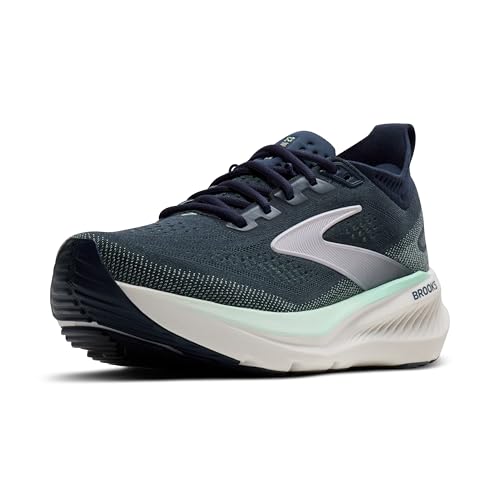
- ✓DNA TUNED dual-density nitrogen-infused foam dampens road vibration.
- ✓Premium engineered knit upper wraps the foot in plush, breathable comfort.
- ✓RoadTack rubber outsole offers reliable grip on wet and dry pavement.
PROS
- + Very consistent cushioning
- + Spacious, comfortable fit
- + Excellent grip on wet roads
CONS
- – Lacks dynamic bounce
- – Upper is quite thick
The Brooks Glycerin 23 is a highly dependable daily trainer that delivers a plush and consistent ride mile after mile. Using dual-density DNA TUNED foam, it’s great at filtering out road shocks without feeling like you’re sinking into sand. The premium engineered knit upper fits beautifully, providing a secure lockdown through the midfoot while leaving plenty of room for your feet to swell on hot summer days. The drop provides a natural stride that takes the strain off your calves, protecting your tibia from overuse. If you want consistent cushion that stands up to daily beatings, the Glycerin 23 is a reliable option.
- Why it wins: Combines legendary Brooks fit and durability with their latest nitrogen-infused foam technology.
- Shin Protection: Dual-density DNA TUNED nitrogen foam filters out harsh road chatter while keeping landings stable.
- Best For: Neutral runners seeking a reliable, durable daily trainer with consistent comfort.
How to Choose the Best Running Shoes for Shin Splints
Understanding Shock Absorption and Midsole Foam
To protect your shins from the repetitive impact of running on hard roads, you need a shoe with an exceptionally shock-absorbing midsole. Modern midsoles have moved away from dense, standard EVA in favor of lighter and bouncier materials like nitrogen-infused foam and supercritical EVA. These advanced foams disperse impact forces much better, meaning less stress travels up your lower legs. However, cushioning volume alone isn’t the only factor; a shoe that is too soft can feel unstable, forcing your lower leg muscles to work harder to stabilize you.
Stability vs. Neutral Support
Understanding stability vs neutral running shoes is key when dealing with shin splints. If you overpronate (your foot rolls inward excessively), the repetitive twisting motion puts extra strain on your tibialis anterior and posterior muscles, which are directly tied to shin pain. In this case, a supportive shoe with guide rails or a wide platform can help keep your ankles aligned. If you have a neutral gait, a well-cushioned daily trainer with a wide sole base is usually enough to protect your shins without restricting your natural movement.
Heel-To-Toe Drop and Lower Leg Strain
A shoe’s heel-to-toe drop is the height difference between the heel and the forefoot. High-drop shoes (8mm to 10mm) shift more of the landing load onto your knees and hips, which unweights your calves and Achilles tendons. This can be very helpful when you’re recovering from shin splints, as it reduces the pull on the muscles along your shin bone. Conversely, low-drop shoes (0mm to 5mm) encourage a midfoot or forefoot strike, which shifts load to the lower legs. If your shins are irritated, starting with a higher-drop shoe can provide immediate relief.
Finding Your Path to Pain-Free Miles
Recovering from shin splints requires patience, training adjustments, and the right gear. If your gait is neutral and you want the absolute maximum amount of shock absorption, the HOKA Bondi 9 is your best bet for easy runs. For a plush, sock-like feel that can pick up the pace, the ASICS Gel-Nimbus 28 is a fantastic daily option. If you overpronate, the guided stability of the Brooks Adrenaline GTS 25 will keep your feet aligned and prevent tibial strain. Pick the pair that aligns with your foot mechanics, ease back into your training slowly, and enjoy the road again.
Frequently Asked Questions (FAQs)
Can new running shoes help with shin splints?
Yes. Worn-out shoes lose their shock absorption capacity, which increases the impact forces transferred to your shin bones. Upgrading to a protective daily trainer with plenty of midsole foam can reduce stress on your legs. However, you must also manage your training volume, as new shoes alone cannot fix a severe load problem.
Should I choose a stability or neutral shoe for shin splints?
It depends on your foot mechanics. If you overpronate, a stability shoe with supportive guide rails can prevent the inward rolling that twists your shins. If your gait is neutral, a cushioned neutral shoe is a better option. You can check the wear on your current shoes using our wear pattern analysis tool to see which type you need.
Is high drop or low drop better for shin splints?
Generally, a higher heel-to-toe drop (8mm to 10mm) is better for shin splints because it reduces the load on your calves and lower leg muscles. A lower drop shifts more force to your lower legs, which can aggravate shin pain if your muscles aren’t strong enough.
How many miles should I run before replacing my shoes to prevent injury?
Most daily trainers should be replaced every 300 to 500 miles. Beyond this range, the midsole foam packs out and loses its ability to absorb landing shock, which can lead to overuse injuries like shin splints. Check our guide on when to replace running shoes for key warning signs.
Does running surface affect shin splints?
Yes. Running on hard concrete produces high landing shock compared to softer surfaces like grass, clay tracks, or dirt trails. If your shins are sore, try moving some of your easy runs to a smoother trail or a track to reduce stress on your tibia.
