

We’ve all been there: you step out the door feeling great, but within ten minutes, your chest tightens and you’re gasping for air like a fish out of water. You’re forced to stop, hands on knees, wondering why something as natural as breathing feels so incredibly difficult. The good news is that this isn’t a lack of fitness; it’s simply a matter of learning how to coordinate your breathing with your stride.
Shallow, disorganized chest breathing fails to clear carbon dioxide quickly enough, triggering a panic response in your brain that leaves you completely winded. By transitioning to deep diaphragmatic breathing and matching your inhalation to your foot strikes, you can run farther with much less effort. In this guide, we’ll break down the science of breathing, walk you through a simple home self-test, and share rhythmic pacing patterns to make your next run feel completely sustainable.
Breathing Guide: Key Chapters
- The Science of Deep Diaphragmatic Breathing: Why nose vs. mouth breathing matters.
- Belly Breathing vs. Chest Breathing: A simple self-test to verify your technique.
- Rhythmic Breathing Patterns for Different Paces: How to sync your stride with your breath.
- Gear Essentials for Breathing Awareness: Recommended pacing and awareness tools.
- Best Open-Ear Headphones: Shokz OpenRun Pro
- Best GPS Watch for Pacing: COROS Pace 3
- Best Breathable Running Vest: Salomon Unisex ADV Hydra Vest 8
- Pacing Your Runs to Control Breathing: How to train your lungs for endurance.
The Science of Deep Diaphragmatic Breathing
Your lungs are highly efficient organs, but they need help from your diaphragm to fill completely. The diaphragm is a dome-shaped muscle located at the base of your chest. When you breathe deeply, this muscle contracts and moves downward, creating a vacuum that draws air into the lower lobes of your lungs. This is where the most blood vessels reside, meaning diaphragmatic breathing allows for much faster and more efficient oxygen transfer into your bloodstream.
Many runners fall into the trap of breathing only through their nose. While nasal breathing is great for filtering and warming cold air, it restricts the total volume of air you can inhale. On the other hand, breathing only through your mouth can lead to shallow chest breathing and a dry, irritated throat.
The secret is to breathe through both your nose and mouth simultaneously. This maximizes your oxygen intake while keeping your throat comfortable. It’s the most natural way to ensure your muscles get the fuel they need to keep moving.
Heat and Humidity Pace Calculator
Summer temperatures increase cardiac strain and breathing effort. Calculate your exact pace adjustments to maintain an aerobic zone.
Calculate Heat Adjustment →Belly Breathing vs. Chest Breathing
If you’re breathing primarily into your upper chest, you’re only using a fraction of your lung capacity. Shallow chest breathing engages your shoulders and neck muscles, which leads to early tension, fatigue, and those painful side stitches under your ribs. To run efficiently, you must practice belly breathing.
You can easily check your breathing style at home using this simple self-test:
- Lie flat on your back or sit tall in a comfortable chair.
- Place your right hand on your chest and your left hand on your stomach, just below your ribcage.
- Take a deep breath in through your nose and mouth.
- Observe which hand rises first. If your right hand (on your chest) rises while your left hand stays flat, you’re a chest breather. If your left hand rises outward while your chest stays relatively still, you’re successfully belly breathing.
Practice this belly breathing technique for a few minutes before each run. Focus on expanding your abdomen as you inhale, then gently drawing your belly button toward your spine as you exhale. It takes time to build this muscle memory, but it will quickly become second nature once you get moving.
Rhythmic Breathing Patterns for Different Paces
One of the most effective ways to control your breathing is to sync your inhalations and exhalations with your foot strikes. This is called rhythmic breathing. By creating a structured cadence, you prevent shallow gasping and help distribute the physical impact of running more evenly across your body.
When you exhale, your diaphragm relaxes, which reduces your core stability. If you always exhale on the same foot strike (for example, every time your left foot hits the ground), that side of your body absorbs the brunt of the landing shock over and over. By using an odd-numbered breathing pattern, you alternate which foot lands on the start of each exhalation, reducing your risk of repetitive impact injuries.
Try these rhythmic patterns during your workouts:
- The 3:2 Pattern (Best for Easy and Recovery Runs): Inhale for three foot strikes (left, right, left), then exhale for two foot strikes (right, left). This is the standard pattern for daily mileage, keeping your effort controlled and aerobic.
- The 2:1 Pattern (Best for Moderate and Tempo Runs): Inhale for two foot strikes, then exhale for one foot strike. As your pace increases and your body demands more oxygen, this pattern speeds up your breathing cycle while keeping your stride synchronized.
- The 1:1 Pattern (Reserved for Sprints and Races): Inhale for one foot strike, then exhale for one foot strike. Use this only during hard intervals or the final kick of a race when your cardiovascular system is working at its maximum limit.
Interactive Pace Calculator
Dial in your 3:2 and 2:1 rhythmic breathing cadences by finding your exact target training paces for easy, tempo, and speed days.
Calculate Target Paces →Gear Essentials for Breathing Awareness
While breathing is ultimately a mental game, keeping yourself in a relaxed aerobic zone is much easier when you aren’t fighting your gear. The right accessories help you monitor your effort and stay tuned to your body’s feedback without distraction. Here are the top tools we recommend for maintaining breathing awareness.
Best Open-Ear Headphones

- ✓Open-ear bone conduction design lets you hear your breathing and surrounding traffic.
- ✓Titanium wraparound frame offers a secure, bounce-free fit on fast runs.
- ✓TurboPitch technology provides high-clarity music audio directly through cheekbones.
When you’re trying to sync your inhalation and exhalation, traditional in-ear earbuds act like a cork, locking you inside a silent box where you can’t hear your own breathing rhythm. Swap them out for the Shokz OpenRun Pro. By sending audio straight through your cheekbones, these bone-conduction bands keep your ear canals completely open so you can monitor your cadence and surroundings, which we found incredibly helpful during long sessions in our hands-on SHOKZ OpenRun Pro review.
Best GPS Watch for Pacing

- ✓Optical heart rate monitor tracks your cardiovascular effort in real time.
- ✓Dual-frequency GPS captures highly accurate running pace and distance.
- ✓Extremely lightweight design weighs only 30 grams for comfort.
The number one reason runners find themselves gasping for air is running too fast. The COROS Pace 3 serves as a real-time monitor for your effort. By tracking your heart rate zones, it warns you if you creep out of your aerobic zone and into high-stress anaerobic efforts where breathing becomes labored. It’s a weightless, highly accurate wrist guide that helps you stay disciplined at a conversational pace, which we analyzed for real-time effort tracking in our hands-on COROS Pace 3 review.
Best Breathable Running Vest
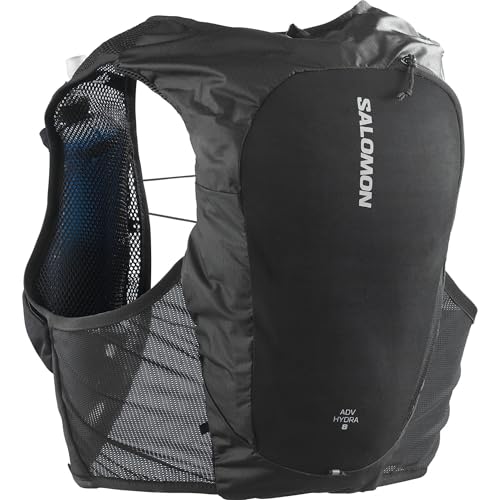
- ✓Soft, breathable mesh material prevents hot spots and chafing.
- ✓SensiFit construction wraps the chest comfortably without constricting breathing.
- ✓Includes two 500ml soft flasks positioned high for easy drinking.
A dry throat makes breathing feel twice as hard. If you’re out on long runs, staying hydrated is crucial for keeping your throat lubricated and your breathing smooth. The Salomon ADV Hydra Vest 8 holds two 500ml soft flasks high on your chest, making it easy to sip on the go. Unlike heavy backpacks that pull on your shoulders and constrict your ribcage, this hydration vest uses a flexible chest strap system that stretches as your lungs expand, ensuring your breathing stays deep and unrestricted.
Pacing Your Runs to Control Breathing
Your breathing is the ultimate biofeedback tool. If you can’t speak a full sentence aloud without gasping for breath, you’re running too fast.
To build a strong cardiovascular foundation, you need to spend the majority of your training weeks in Zone 2, which is your light aerobic zone. In this zone, your body relies primarily on oxygen to burn fat for fuel, allowing you to run for hours without exhausting your lungs. If you’re pairing this pacing strategy with the right best running shoes, your joints and lungs will feel much fresher over long distances.
If you struggle to maintain a conversational pace, don’t be afraid to use the run walk method. Alternating short intervals of jogging with walking recovery breaks keeps your heart rate in a manageable zone, prevents sudden exhaustion, and lets you cover longer distances comfortably. If you’re just building your base fitness, learning how to start running with structured walk-jog intervals is an excellent way to safely increase your lung capacity.
Remember to monitor your posture as well. If your chest is collapsed or your shoulders are hunched, you physically limit the space your lungs have to expand. Keep your gaze forward, your chest open, and your shoulders relaxed to give your lungs the freedom they need.
Running Split Calculator
Planning a long run or race? Calculate your exact mile-by-mile split targets to keep your breathing steady and avoid blowing up early.
Calculate Mile Splits →Frequently Asked Questions (FAQs)
How do I stop getting side stitches when I run?
Side stitches are muscle spasms in your diaphragm, usually caused by shallow chest breathing or landing heavily on an exhalation. If you get a side stitch, slow down your pace, take slow, deep belly breaths, and concentrate on exhaling when your opposite foot hits the ground to relieve the pressure on the affected side.
Is it better to breathe through your nose or mouth while running?
It’s best to breathe through both your nose and mouth. This maximizes your total oxygen intake and allows for relaxed, deep diaphragmatic breathing. Nasal breathing is only recommended for very light warm-ups or running in extremely cold air to protect your lungs from irritation.
What should my heart rate be during a conversational pace?
For most runners, a conversational pace corresponds to Zone 2, which is roughly 60% to 70% of your maximum heart rate. At this intensity, you should be able to speak full sentences without needing to pause or gasp for air.
How do cold and hot weather affect breathing while running?
Cold, dry air narrows your airways, while high heat spikes your heart rate and makes breathing feel heavier. In cold weather, wear a neck gaiter or warm up with nasal breathing. When running in heat and humidity, slow your pace, stay hydrated, and stick to steady belly breaths.
How long does it take for your lungs to adapt to running?
Your lungs and respiratory muscles start adapting to the demands of running within 2 to 4 weeks of consistent training. You’ll notice that your breathing feels less labored, and you’ll be able to maintain your target paces with much less effort.
