
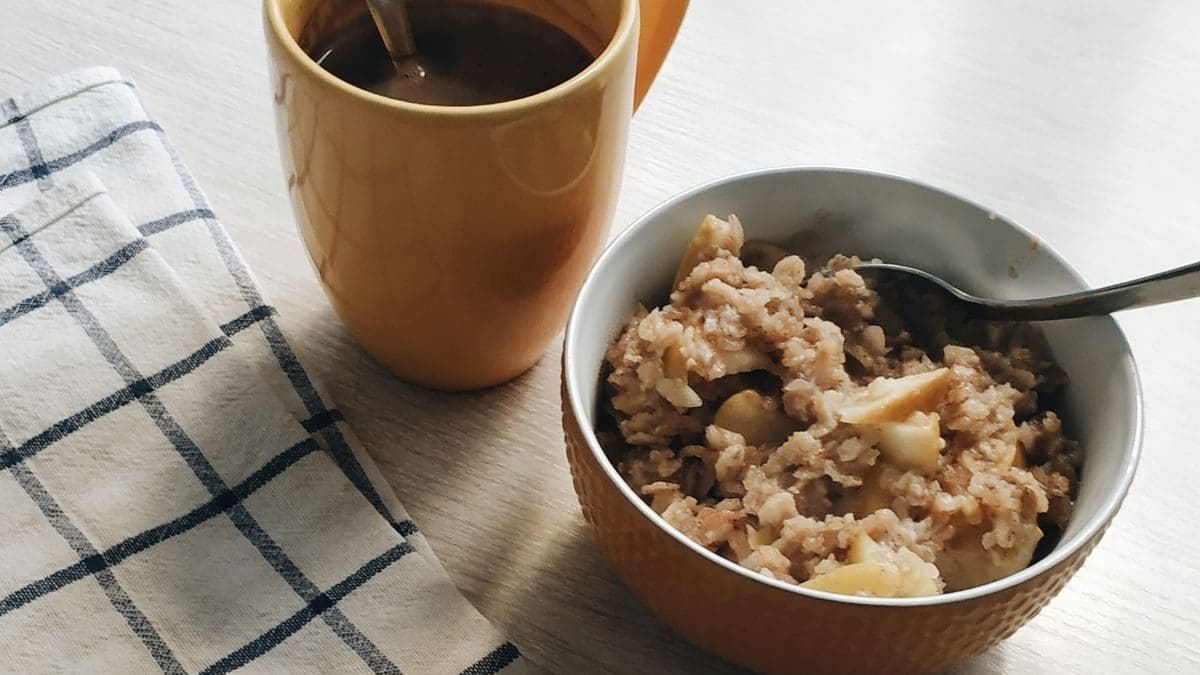
Waking up at 5:30 a.m. to squeeze in a run before work creates an immediate kitchen dilemma. Eat a heavy breakfast right before tying your shoes, and it can feel like a brick bouncing around in your stomach for the first three miles. Walk out the door on an empty stomach before a tough workout or weekend long run, and your legs can start feeling flat and heavy halfway through.
Here’s the physiological reason morning runs feel tricky: while you sleep for seven or eight hours, your muscle glycogen (the fuel stored directly inside your quads and calves) stays mostly intact from last night’s dinner, yet your liver glycogen (which keeps your blood sugar steady and feeds your brain) drops by roughly 40% to 50% overnight. That’s why waking up and heading straight into a fast workout without any simple carbohydrates can leave you feeling foggy, sluggish, and out of gas.
Below, we’ll break down when you can comfortably run on an empty stomach, when morning fuel makes the biggest difference, how to match your snack or breakfast to your wake-up window, and what to eat before an easy jog, a 5K or 10K race, or a weekend long run, plus an interactive calculator to dial in your morning carbohydrate and fluid targets.
Morning Run Fueling by Time & Distance
- Do You Need to Eat Before an Early Morning Run?
- Morning Pre-Run Carb & Timing Calculator
- What to Eat Based on When You Wake Up
- Best Morning Fuel by Workout & Race Distance
- Packaged Morning Fuel for Sensitive Stomachs
- Morning Coffee, Hydration & Preventing Stomach Cramps
- Foods That Commonly Cause Morning Stomach Trouble
Do You Need to Eat Before an Early Morning Run?
Whether you need food before a morning run comes down to three practical variables: how long you’re running, how hard you’re breathing, and how your own stomach feels when you wake up.
- When Running Empty Works Fine (Easy Runs Under 45 Minutes): If you’re heading out for a relaxed, conversational 20- to 45-minute recovery jog inside Zone 2 running, your body relies on stored fat alongside the glycogen already sitting in your leg muscles from dinner. Provided you aren’t waking up ravenous or lightheaded, drinking 8 to 12 ounces of water (and coffee if you’d like) is plenty for most runners to get through an easy three- or four-mile loop comfortably. Even then, many runners find that eating just 15 to 20 grams of quick carbs, such as half a banana or a couple of honey graham crackers, takes the edge off why the first mile of running feels hard.
- When Morning Fuel Makes the Biggest Difference (Speedwork, Races & Runs Over 60 Minutes): Once you push past an easy conversational pace (during track intervals, hill repeats, a tempo run, or a 5K road race), your muscles rely heavily on carbohydrates as their primary fuel source. And on any morning run lasting longer than 60 minutes, lower overnight liver glycogen can catch up with you around the 45- to 60-minute mark. Sports nutrition position stands from the American College of Sports Medicine (ACSM) note that consuming 1 to 4 grams of carbohydrate per kilogram of body weight in the 1 to 4 hours before endurance exercise helps maintain blood glucose and delays fatigue.
If you’re also comparing digestion windows for afternoon or evening workouts after full meals, check out our companion breakdown on how long to wait after eating before a run.
Morning Pre-Run Carb & Timing Calculator
Most runners don’t want to wake up at 4:00 a.m. just to digest a full breakfast before a 6:00 a.m. run. Use the calculator below to match your body weight, how many minutes you have between waking up and running, and your planned workout to see your exact gram target for simple carbs, morning fluid intake, and three stomach-friendly meal options:
Match Your Wake-Up Window & Workout to Exact Carb & Fluid Targets
| Time Before Run | Carb Target (per kg) | For Your Weight | Ideal Food Texture & Examples |
|---|
What to Eat Based on When You Wake Up
A helpful rule of thumb for morning pre-run nutrition is simple: the closer you are to your run, the simpler and lower in fiber your snack should be. Fat, protein, and insoluble fiber are great for all-day fullness, yet they take two to three hours to fully digest. Eating a heavy, high-fat meal 20 minutes before a run means it’s still sitting in your stomach when your body starts directing more blood flow toward your working legs.
15 to 30 Minutes Before Running: Quick-Hit Simple Sugars (15g–30g Carbs)
When your alarm goes off at 5:45 a.m. and you want to be running by 6:05 a.m., you don’t have time to digest a big plate of food. Choose soft, low-fiber simple carbohydrates that empty from your stomach quickly:
- 1 medium ripe banana (`~27g` carbs; yellow bananas with brown spots are easier on your stomach than firm green bananas, which contain more resistant starch)
- 2 full sheets of graham crackers with a teaspoon of honey (`~28g` carbs)
- 2 pitted Medjool dates with a pinch of sea salt (`~36g` carbs)
- 1 squeezable applesauce pouch or a small handful of salted pretzels (`15g–22g` carbs)
- 1 energy stroopwafel or sports gel washed down with 6 to 8 ounces of water (`21g–22g` carbs)
45 to 60 Minutes Before Running: Light Starch & Fruit (30g–50g Carbs)
With 45 to 60 minutes before you start running, your stomach has time to break down light, low-fiber starches alongside a small piece of fruit:
- 1 slice of white or sourdough toast topped with 1 tablespoon of strawberry jam or honey (`30g–35g` carbs)
- 1 packet of plain instant oatmeal made with water, topped with half a sliced banana and a drizzle of maple syrup (`40g–45g` carbs)
- 1 English muffin with a thin scrape of peanut butter (about `1` teaspoon) and half a sliced banana (`~40g` carbs)
- Half a plain bagel with honey and a pinch of salt (`~35g` carbs)
90 to 120+ Minutes Before Running: Full Pre-Race or Long-Run Breakfast (60g–100g+ Carbs)
Before a Saturday morning long run over 75 minutes or a morning half/full marathon, eating 90 to 120 minutes beforehand gives you time to digest a larger carbohydrate meal that restocks your liver glycogen before mile one:
- 1 full plain bagel with 1 tablespoon of peanut butter, 1 sliced banana, and a drizzle of honey (`75g–85g` carbs)
- A batch of our 4-ingredient banana oat flour pancakes topped with pure maple syrup (`~65g` carbs)
- 1 large bowl of rolled oats cooked with water or almond milk, topped with berries, banana slices, and brown sugar (`~70g` carbs)
- Our plant-based peanut butter and jelly tortilla roll-ups, which wrap easy-digesting flour tortilla carbs around fruit preserves (`55g–65g` carbs)
Best Morning Fuel by Workout & Race Distance
Not every morning run needs the same breakfast. Matching your pre-run fuel to the duration and intensity of the workout helps you avoid both late-run energy dips and unnecessary stomach heaviness.
Easy 20- to 45-Minute Morning Jogs
For a relaxed weekday 3-miler where you can chat in full sentences, pre-run food is completely optional. If you feel great running fasted, drink 8 to 12 ounces of water when you wake up and eat a balanced breakfast with 25 to 30 grams of protein (like eggs with toast or our high-protein blueberry pancakes) after you get back. If your stomach growls when you wake up, grab half a banana or a couple of graham crackers so you aren’t running hungry.
Morning Speedwork, Hills & Tempo Runs
Even if a morning track workout or tempo run only lasts 40 minutes total, high-intensity intervals burn through muscle and liver glycogen much faster than an easy jog. While you can technically get through a short workout on an empty stomach, most runners notice a sharper top-end gear and steadier pacing when they eat 25 to 45 grams of fast carbs (like toast with honey, an energy waffle, or a banana) 30 to 45 minutes before their warmup jog.
Morning 5K & 10K Races
If you’re lining up for an 8:00 a.m. Saturday 5K or 10K (especially if you’re using our first 5K beginner guide), you’ll be running near 85% to 95% of your maximum heart rate. At that effort level, your body redirects a large share of blood flow away from your digestive tract toward your working muscles, so heavy food still sitting in your stomach can trigger cramping or a side stitch. A reliable race-morning routine is eating 40 to 60 grams of low-fiber carbs (like a plain bagel with jam or white toast with banana) 60 to 120 minutes before the gun, then sticking to sips of water, electrolytes, or a quick gel as start time approaches.
Weekend Long Runs & Half / Full Marathons
For runs lasting 75 minutes to 3+ hours, your morning breakfast is the foundation that keeps you from fading in the second half. Aim for 60 to 100+ grams of carbohydrates eaten 90 to 120 minutes before you start, top off with a quick 20-gram carb snack (like an energy gel or chews) 10 to 15 minutes before setting off if you’d like, and follow up with 30 to 60 grams of carbs per hour during the run.
Packaged Morning Fuel for Sensitive Stomachs
Plenty of runners have zero appetite at 5:30 a.m., or they’re traveling and staying in a hotel room before a race without a toaster or kitchen. Keeping a few purpose-built sports nutrition staples in your pantry solves the early-morning appetite problem because they’re formulated to digest quickly with minimal fiber.
1. Dutch-Style Honey Energy Stroopwafels
When chewing dry toast at dawn feels unappealing, the Honey Stinger Organic Honey Energy Waffle is an easy 30-minute pre-run bite. Set the thin wafer on top of your warm coffee mug for two minutes while you get dressed so the organic honey center softens, giving you 21 grams of simple carbohydrates (`140` calories and `<1g` fiber) that settle comfortably before you step outside:

- ✓Delivers 140 calories and 21 grams of USDA Organic honey and wheat-flour carbohydrates with less than 1 gram of fiber.
- ✓Thin wafer texture chews easily at dawn when dry granola bars or thick toast feel impossible to swallow.
2. Dual-Source Carbohydrate Energy Gels
If you value every last minute of sleep and roll out of bed 15 minutes before a morning tempo run or interval session, solid food doesn’t have much time to break down. Taking a single packet of GU Energy Original Sports Nutrition Energy Gel with 6 to 8 ounces of water right at your front door delivers 22 grams of maltodextrin and fructose (`100` calories) without any fiber or fat sitting in your stomach:

- ✓Dual-pathway maltodextrin and fructose blend absorbs rapidly through two separate intestinal transporters so glucose reaches your legs within 10 to 15 minutes.
- ✓Caffeine-free mixed 24-pack lets you fuel early workouts without stacking extra stimulants on top of your morning coffee.
3. Low-Sugar Effervescent Electrolyte Tablets
Most morning runners wake up mildly dehydrated just from breathing and sweating overnight. If you find that drinking plain tap water first thing in the morning goes right through you, drop one Nuun Sport Electrolyte Drink Tablet into 12 to 16 ounces of water as soon as you wake up. The 300mg of sodium and 1g of sugar (`15` calories) help your body absorb and retain that fluid before warm or humid morning miles:

- ✓Balanced electrolyte profile (300mg sodium, 150mg potassium, 25mg magnesium, and 13mg calcium) restores overnight fluid balance before your first mile.
- ✓Crisp, lightly flavored 15-calorie formula won’t clash with a banana, toast, or your morning cup of coffee.
If your morning run stretches past 75 minutes, pairing your pre-run breakfast with an on-the-run gel strategy makes a huge difference. You can map out your hourly intake with our free calculator below:
Heading out for a Saturday morning long run over 75 minutes or lining up for a half or full marathon? Once your pre-run breakfast tops off your liver glycogen, use our free Marathon Fueling Calculator to map out your exact mid-run gel timing, hourly carb intake, and sodium targets.
Open the Marathon Fueling Calculator →Morning Coffee, Hydration & Preventing Stomach Cramps
For millions of runners, the real question isn’t just what to eat before a morning run; it’s how to enjoy a morning cup of coffee without needing an urgent stop at a park restroom at mile two.
Coffee is a well-documented ergogenic aid: caffeine blocks adenosine receptors in your brain, making your morning pace feel smoother while helping your muscles mobilize fatty acids. At the same time, coffee (even decaf) stimulates the gastrocolic reflex (a wave of smooth-muscle contractions in your lower digestive tract) within 15 to 30 minutes for many people.
Use these three practical habits to get the boost of morning coffee while keeping your stomach calm:
- Drink 8 to 12 Ounces of Water First: Before you take your first sip of hot coffee, drink a glass of water (with a pinch of salt or an electrolyte tablet if it’s warm out). If you’d like to see how much fluid you lose per hour, run your numbers through our Hydration Calculator.
- Give Coffee a 25- to 30-Minute Head Start: Drink your coffee as soon as your feet hit the bedroom floor, eat your light carb snack, and give your digestive system 25 to 30 minutes to wake up and use your home bathroom before you lace up your shoes.
- Go Easy on Heavy Creamers Right Before Running: Black coffee or coffee with a splash of milk, almond milk, or oat milk clears your stomach much faster than heavy whipping cream or MCT oil, which slow gastric emptying and can trigger reflux during hard efforts.
Foods That Commonly Cause Morning Stomach Trouble
Every runner’s stomach is different, and some people can eat almost anything without an issue. Still, if you’re prone to mid-run cramping, reflux, or bathroom stops, these five food groups are the most common culprits when eaten right before an early run:
- High-Fiber Cereals, Bran Muffins & Raw Cruciferous Veggies: Eating a large dose of insoluble fiber right before a morning run pulls water into your intestines and speeds up bowel motility while your body is jostling up and down. Saving high-fiber bran or raw veggies for later in the day and choosing white sourdough toast or quick oats before running is much gentler on a sensitive gut.
- Greasy Breakfast Meats, Heavy Cheese & Fried Eggs: Bacon, sausage, and heavy omelets are rich in saturated fat that takes two to four hours to leave your stomach. They’re great after your run, or 2.5 to 3 hours before a long event, but tend to feel heavy if eaten 30 minutes before heading out.
- Large Milk-Heavy Lattes & Full-Fat Dairy: Even runners who digest dairy fine sitting at a desk sometimes notice temporary lactose sensitivity during hard running when blood flow shifts away from the gut.
- Sugar Alcohols in “Keto” or “Sugar-Free” Bars: Sweeteners like sorbitol, xylitol, maltitol, and erythritol aren’t absorbed completely in the small intestine and frequently cause gas and bloating mid-run.
- Very Spicy Foods or Acidic Citrus Juice on an Empty Stomach: Hot sauce and large glasses of orange juice can relax the lower esophageal sphincter, increasing the chance of heartburn when you’re breathing hard on hills.
Dialing In Your Morning Fueling Routine
Figuring out what to eat before a morning run doesn’t require waking up two hours early or following a rigid meal plan. Start by matching your fuel to how you feel and what’s on your training calendar: if you’re heading out for an easy 30-minute neighborhood jog, a glass of water, your morning coffee, and half a banana (or nothing at all) works great. Whenever you’re tackling morning speedwork, a 5K or 10K race, or a weekend long run over an hour, giving your brain and muscles 25 to 60 grams of simple, low-fiber carbohydrates 30 to 90 minutes beforehand will help you feel noticeably stronger.
Treat your weekday morning runs as a low-stakes experiment to see whether your stomach prefers a warm Honey Stinger waffle, a slice of sourdough toast with honey, or a small bowl of quick oats. Once you’ve found two or three go-to morning snacks that leave your stomach calm and your legs feeling fresh, race morning becomes second nature.
Frequently Asked Questions
Should I eat before a 30-minute morning run?
For an easy 20- to 40-minute morning recovery jog in Zone 2, you don’t need to eat beforehand if your stomach feels better running empty. Your muscles already hold enough stored glycogen from the previous night’s dinner to power 45 minutes of relaxed running. However, if you’re feeling lightheaded, sluggish, or hungry when you wake up, eating 15 to 25 grams of simple carbs (such as half a banana, two graham cracker sheets, or a handful of pretzels) with a glass of water 15 to 20 minutes before heading out won’t weigh you down and can noticeably sharpen your energy.
What is the best food to eat 30 minutes before a morning run?
When you only have 20 to 30 minutes before your shoes hit the pavement, low-fiber, low-fat simple carbohydrates are the easiest to digest. Grabbing a ripe banana with a drizzle of honey, a slice of white sourdough toast with jam, an energy stroopwafel, a squeezable applesauce pouch, or two Medjool dates will give you 20 to 35 grams of quick carbohydrates without sitting heavy in your stomach.
Is it bad to run on an empty stomach in the morning?
Running fasted is completely fine for short, conversational jogs under 45 minutes, assuming you ate a balanced dinner the night before and drink 8 to 12 ounces of water when you wake up. Where fasted running tends to hold you back is before speedwork, hill repeats, tempo runs, or long runs over 60 minutes. Without topped-off blood glucose and liver glycogen, hard paces feel noticeably tougher and your energy can fade in the second half of the workout, especially if you don’t refuel with carbs and protein soon after finishing.
How long after eating breakfast should I wait to run in the morning?
Your ideal wait time depends on the size and composition of your meal, as well as your personal stomach tolerance. Small 100- to 200-calorie simple-carb snacks (like a banana, energy gel, or slice of white toast with honey) usually need just 15 to 30 minutes to settle. Moderate 250- to 400-calorie breakfasts (such as instant oatmeal or a bagel with a thin smear of peanut butter) typically take 45 to 90 minutes. Full breakfast plates with eggs, bacon, avocado, or high-fiber whole grains generally require 2 to 3 hours of digestion before you start running.
Can I drink coffee before an early morning run?
Yes, morning coffee is one of the most effective and widely studied performance boosters available to runners, reducing perceived effort and helping mobilize fatty acids when consumed 30 to 60 minutes before a run. To avoid mid-run stomach cramps or urgent bathroom stops, drink 8 ounces of water alongside your coffee, go easy on heavy cream right before running, and give your digestive tract 20 to 30 minutes to wake up before you leave the house.
What should I eat before a morning 5K or 10K race?
Because 5K and 10K races are run at high heart rates where your muscles rely heavily on carbohydrates for quick energy, you’ll want your stomach mostly settled at the starting line while your blood sugar is topped off. Eating 40 to 60 grams of easy-to-digest carbs (such as a plain bagel with honey, a bowl of quick oats with banana slices, or two slices of white toast with jam) about 60 to 120 minutes before the gun goes off works well for most runners, followed by small sips of water or an electrolyte drink leading up to the start.
