
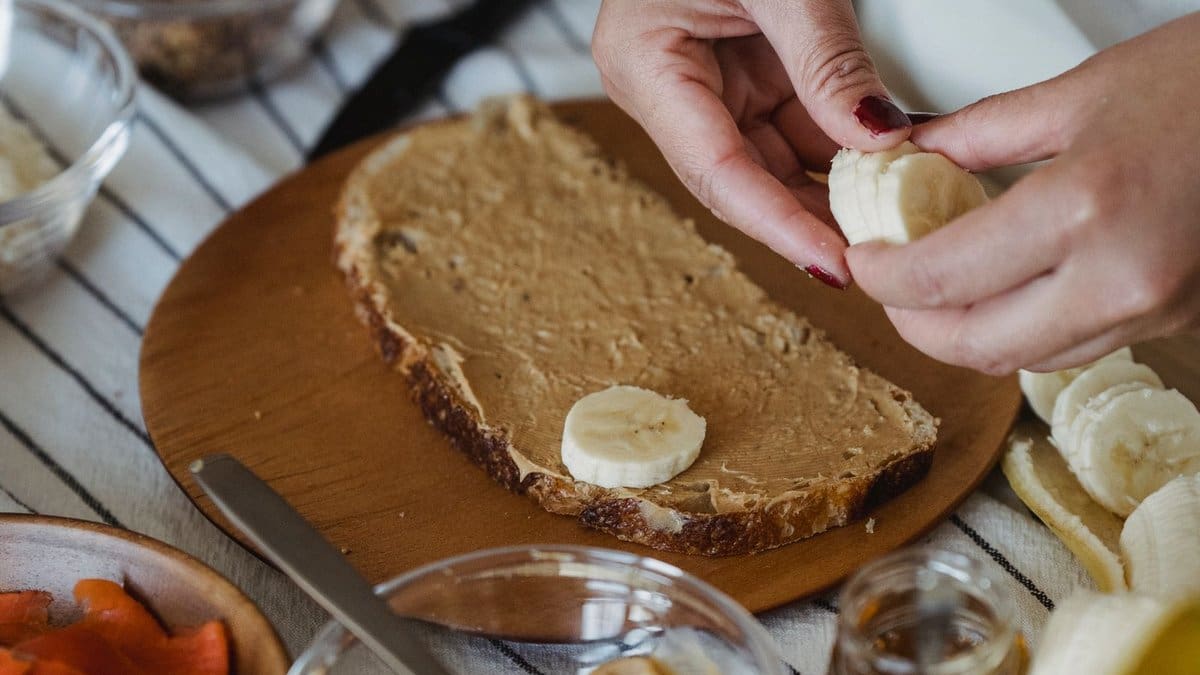
Almost every runner has misjudged a pre-run meal at least once. Maybe you finished a big lunch, went out too fast ten minutes later, and spent mile two with a side stitch. At the same time, old-school advice that acts like you’re not allowed to lace up for 3 or 4 hours after eating doesn’t match real life at all.
Here’s the truth: there are no strict rules, and you don’t need an empty stomach to go for a run. Plenty of runners eat a banana or honey waffle while they’re tying their shoes, head out 20 minutes after morning toast, or go for an easy jog 45 to 60 minutes after lunch because that’s the window they have in their day.
As a flexible, real-world rule of thumb, quick snacks are good to go right away (0 to 15 minutes), light breakfasts usually settle in 20 to 40 minutes, normal meals feel comfortable around 45 to 75 minutes, and heavier meals like pizza or a burger usually just need 60 to 90 minutes before an easy run (or a little longer if you’re doing hard speedwork). Let’s look at how to find the rhythm that works for your stomach and your schedule.
Pre-Run Digestion & Meal Timing: What You Need to Know
- Flexible Pre-Run Timing Suggestions (Plus Interactive Planner)
- Why Every Runner’s Stomach Is Different (And Why Pace Matters)
- Realistic Guidelines by Meal Size: Snacks, Light Meals & Full Meals
- What to Eat Based on Your Time Window (Lacing Up Now to 2+ Hours Out)
- Simple Tricks If You Need to Run Right After Eating
Flexible Pre-Run Timing Suggestions (Plus Interactive Planner)
Think of meal timing as a sliding comfort scale rather than a stopwatch. You only need the initial “stuffed” feeling to fade before an easy run, whereas faster workouts feel better when your stomach has had a little extra time to settle. Use the table and interactive tool below as a relaxed starting point, then adjust to how your own body feels.
| What You Ate | Easy Run (Typical Window) |
Speedwork / Race Suggestion |
Everyday Food Examples |
|---|---|---|---|
| Quick Snack100–200 cal | Anytime (0–15 mins) |
~10–20 mins | Banana, honey waffle, energy gel or chews, applesauce pouch, or a handful of pretzels |
| Light Meal250–400 cal | ~20–40 mins | ~30–60 mins | Toast or half bagel with jam & thin peanut butter, small bowl of oatmeal, or cereal |
| Normal Meal400–650 cal | ~45–75 mins | ~60–90 mins | Turkey sandwich, protein pancakes, chicken & rice bowl, or eggs with toast |
| Bigger Meal700+ cal | ~60–90 mins (1–1.5 hours) |
~1.5–2 hours | Pizza, burger & fries, loaded burrito, creamy pasta, or big weekend brunch |
Use the interactive planner below to see how your meal, your planned pace, and your stomach sensitivity fit together, including what to do if you want to head out the door sooner.
Pre-Run Digestion & Snack Planner
Every runner is different. Use this to see a comfortable ballpark window, plus how to adjust if you want to head out sooner.
Real-world perspective: There is no need to wait around after a light snack. Simple carbs like a banana, honey waffle, applesauce pouch, or energy gel digest easily while you jog. Eat it as you head out the door and enjoy your run.
Why Every Runner's Stomach Is Different (And Why Pace Matters)
If you ask five runners in your local run club how long they wait to run after eating, you'll get five completely different answers. One friend can eat a banana or a slice of peanut butter toast right before walking out the door and feel great. Another runner eats a bowl of cereal 30 minutes before a jog and gets a mild side stitch.
Neither runner is doing anything wrong. Digestion isn't a rigid countdown clock; it's shaped by three simple things:
1. Your Running Pace Changes How Your Stomach Feels
When you're walking around or running at an easy, conversational pace, your digestive tract still gets plenty of blood flow, so your stomach keeps digesting food smoothly on the move. That's why most runners can eat a snack right before an easy run, or head out 45 to 60 minutes after lunch, without any trouble.
During a hard interval session, a hilly tempo run, or your first 5K, your body diverts much more blood flow to your working leg muscles. Digestion slows way down during fast running, which is why you'll usually want a little extra time after a big meal before doing speedwork.
2. What You Ate Matters More Than the Clock
Two foods with the same calorie count settle at very different speeds:
- Simple carbohydrates (banana, honey waffle, energy gel, applesauce, pretzels, white toast with jam) start leaving the stomach within 5 to 15 minutes, making them easy to eat right as you lace up.
- Everyday breakfasts and lunches (oatmeal, half a bagel with peanut butter, eggs and toast, a turkey sandwich) usually settle past that initial full feeling in 20 to 75 minutes depending on portion size.
- Heavier or greasier meals (pizza, burgers and fries, thick layers of nut butter, loaded burritos) take a bit longer for your stomach to break down, usually feeling best after 60 to 90 minutes (or around 1.5 to 2 hours before a hard workout).
3. Your Own Stomach & Routine
Just like some runners naturally sweat more than others, every runner's gut has its own personality. Pre-race nerves, strong coffee, mild dehydration, and even time of day can change how your stomach feels. Treat any timing chart as a helpful suggestion, and trust what you learn from your own training runs.
Realistic Guidelines by Meal Size: Snacks, Light Meals & Full Meals
Remember: you don't need an empty stomach to go for a run. You just want food to settle enough that you feel comfortable moving. Here's what that looks like in everyday life:
Quick Pre-Run Snacks (100–200 Calories): Good to Go Anytime (0 to 15 Minutes)
You never need to sit on the couch waiting around after a quick carbohydrate snack. Runners grab a banana, a honey waffle, a handful of pretzels, an applesauce pouch, or an energy gel right as they lace up their shoes all the time.
Because these snacks are mostly simple carbs with very little fat or fiber, your body digests them easily while you warm up. If you're doing a fast track workout or have a sensitive stomach, eating your snack 10 to 20 minutes before you start running fast is plenty.

- ✓Delivers 140 calories and 21 grams of simple carbohydrates that empty quickly from your stomach before a run.
- ✓Thin stroopwafel design softens nicely over a warm mug of morning coffee or tea.
Light Breakfasts & Snack Meals (250–400 Calories): Usually Comfy in 20 to 40 Minutes
For a classic pre-run breakfast (like toast or half a bagel with jam and a thin smear of peanut butter, or a small bowl of oatmeal), 20 to 40 minutes is a comfortable window for most runners before an easy run, and plenty of people with iron stomachs head out even sooner. If you've got a hard tempo run or race on the calendar, giving a light breakfast 30 to 60 minutes lets it settle nicely before you push the pace.
If you're building up your weekend mileage during a 5K, 10K, half marathon, or marathon training block, your pre-run breakfast covers the first 60 minutes of running, and after that, mid-run fueling takes over so you don't fade late in the run.
Once your run stretches past 60 to 75 minutes, pre-run meal timing is only half the equation. Use our Marathon Fueling Calculator to map out your exact hourly carbohydrate target and gel schedule on the run.
Calculate Your Long-Run Fuel →Normal Balanced Meals (400–650 Calories): Usually Comfy Around 45 to 75 Minutes
After a normal breakfast or lunch with protein, carbs, and moderate fat, 45 to 75 minutes is usually all you need before an easy run (and around 60 to 90 minutes before a harder workout). You don't have to block off three hours of your afternoon just because you ate a sandwich or a rice bowl.
For example, if you're eating breakfast about an hour before a weekend long run, blueberry and peanut butter protein pancakes give you steady protein and carbs without feeling heavy. Or if you're grabbing lunch before an afternoon run, a homemade crispy ranch chicken snack wrap made with high-protein Greek yogurt ranch settles much faster than drive-thru fast food because it isn't soaked in fryer oil.
One helpful note on high-fiber foods: our peanut butter and jelly tortilla roll-up has 17 grams of dietary fiber from the high-fiber wrap and chia fruit spread. Because fiber digests slowly to keep you full for hours, most runners like giving a high-fiber wrap about 60 to 90 minutes before running, or eating half before the run and saving the other half for afterward.
Bigger or Greasy Meals Like Pizza or a Burger (700+ Calories): Usually 60 to 90 Minutes
What if you had a couple slices of pizza, a burger and fries, or a big weekend brunch? In the real world, you still don't need to wait 4 hours. Most runners feel totally fine heading out for an easy run after 60 to 90 minutes (1 to 1.5 hours), or around 1.5 to 2 hours if they're doing a hard workout or have a sensitive stomach.
What to Eat Based on Your Time Window (Lacing Up Now to 2+ Hours Out)
Your fueling routine should fit your actual life and the time of day you prefer to run, not force you to wake up at 4:00 AM on a Tuesday.
Early Morning Runners: Do You Have to Eat Before Running?
If you aren't hungry first thing in the morning, you don't have to force breakfast down before an easy run under 45 to 60 minutes. Your muscles already have enough stored energy from dinner the night before to cruise through an easy 3- to 5-mile morning jog on a glass of water (and coffee, if that's part of your routine).
If you're heading out for a longer morning run over 60 minutes or a hard workout, grabbing 100 to 150 calories of quick carbs right as you get dressed (like a few bites of banana, a honey waffle, or an energy gel) wakes up your energy without needing extra time on the clock.

- ✓Combines maltodextrin and fructose so your gut absorbs carbohydrates through two separate pathways at once.
- ✓Provides 100 calories of quick fuel 5 to 15 minutes before the start when solid meals would sit in your stomach.
Afternoon & Evening Runners: Bridging the Workday Gap
Afternoon and evening runners often run into the opposite problem: finishing lunch at 12:00 PM and showing up to a 5:30 PM run completely starving.
If it's been 3 or 4 hours since lunch, don't run on an empty, growling stomach. Grab a quick 150- to 200-calorie snack (like a banana, a handful of pretzels, or a slice of toast with honey) 10 to 30 minutes before you head out. Simple healthy food swaps at lunch also help keep your afternoon energy steady without weighing you down.
Intentional Pre-Run Fueling for Long Runs, Workouts & Marathons
There's a big difference between fitting an easy jog around lunch and intentionally fueling up for a demanding run. On a casual 30-minute neighborhood run, food timing is mostly about stomach comfort. When you're lining up for a weekend long run over 75 minutes, a hard track session, a half marathon, or a full marathon, pre-run eating becomes an intentional performance strategy.
Before longer or harder efforts, your overnight liver glycogen is low, and your leg muscles need readily available carbohydrates so you don't hit the wall in the second half. Here's how runners intentionally fuel before big efforts:
- Choose Purpose-Built, Low-Fiber Carbs (60 to 120 Minutes Out): Instead of eating a heavy omelet or high-fiber bran cereal before a marathon or 15-mile long run, runners intentionally pick bland, carb-dense foods that pack 50 to 100 grams of carbohydrates with almost zero fiber or fat. Classic go-tos include a plain bagel or white toast with honey or jam, a banana with graham crackers, a bowl of instant oatmeal, or even plain white rice with a pinch of salt.
- Use a 10-Minute Start-Line Top-Off: Before a race or hard workout, many runners eat their main pre-run breakfast 60 to 90 minutes before the start, then intentionally take an energy gel, sport chews, or half a honey waffle 10 to 15 minutes before the gun so blood sugar is topped off right as the effort begins.
- Rehearse Your Race-Morning Breakfast on Long Runs: Use your Saturday or Sunday long runs to practice the exact foods and timing you plan to use on race morning. That way, by the time race day arrives, you already know your stomach handles your pre-race meal smoothly.
Simple Tricks If You Need to Run Right After Eating
Life happens, and sometimes your only window to squeeze in a run is 20 or 30 minutes after eating a full meal. Instead of skipping your run, use these simple adjustments to keep your stomach comfortable:
- Treat the First 10 Minutes as a Relaxed Warm-Up: Don't bolt out the door at your fastest pace. Giving yourself grace on why the first mile feels heavy and starting with an easy shuffle or the run-walk method lets your stomach settle into the motion.
- Sip Water Slowly Instead of Chugging: Gulping 16 ounces of water right on top of a meal is the fastest way to get a sloshing stomach or a side stitch. Take small sips instead.
- Adjust on Hot Days: When you're running in heat and humidity, your body works harder to cool itself, which can make a full stomach feel heavier. Slow your pace a bit and include electrolytes in your fluids.
- Exhale Deeply If a Side Stitch Pops Up: If you feel a mild cramp under your ribs, slow down for 60 seconds and take deep belly breaths, exhaling fully when the foot on the opposite side of the stitch hits the ground.
Many mid-run stomach cramps and sloshing feelings actually come from drinking too much plain water at once, or getting dehydrated before eating carbs. Use our Hydration Calculator to dial in your fluid and electrolyte balance.
Calculate Your Hydration Needs →Wrapping Up: Listen to Your Own Stomach
At the end of the day, pre-run meal timing isn't a rigid science test, it's just about finding what feels good for your body. Most runners can head out anytime (0 to 15 minutes) after a quick snack, give a light breakfast 20 to 40 minutes, and give full or heavier meals about 45 to 90 minutes before an easy run (adding a little extra cushion before fast workouts).
If your schedule means you need to run sooner than usual, just ease into your first mile at a relaxed pace. Pay attention to what works for your stomach, stay flexible, and enjoy your miles.
Frequently Asked Questions
Is waiting 30 minutes after eating enough before a run?
More than enough for snacks and light meals, and often fine for normal meals if you keep the pace easy. After a quick carbohydrate snack (like a banana, honey waffle, energy gel, or pretzels), most runners can head out right away. For light breakfasts like toast or oatmeal, 20 to 40 minutes is a great sweet spot, while larger meals usually feel best after about 45 to 90 minutes.
Why do I get a side stitch when I run after eating?
When you start running, especially at a brisk pace, your body redirects blood flow away from your digestive tract and toward your working leg muscles. Heavy food or gulped water sitting in your upper stomach tugs on the connective ligaments around your diaphragm, which can trigger that sharp side cramp under your ribs.
Should I eat before an early morning run or run on an empty stomach?
It depends on your run and how your stomach feels in the morning. For an easy jog under 45 to 60 minutes, running on an empty stomach with a glass of water is completely fine if eating early makes you feel queasy. For runs over 60 minutes or hard workouts, having 20 to 35 grams of quick carbohydrates right before you head out helps prevent mid-run energy crashes.
Why can I eat right before an easy jog, but the same meal bothers me during a speed workout?
Workout intensity directly changes how your stomach behaves. At an easy, conversational pace, your gut retains enough blood flow to keep digesting food on the move. During threshold runs, hill repeats, or a 5K race, gut blood flow drops sharply, essentially pausing digestion until you slow down.
What if I just ate a full meal and my only window to run is right now?
You do not have to skip your run. Sip water slowly instead of chugging, start the first 10 minutes at a super relaxed warm-up jog or brisk walk so your stomach can settle into the rhythm, and keep the run at an easy conversational effort rather than forcing hard intervals.
Can you train your stomach to handle food closer to a run?
Yes, you can. Just like your muscles adapt to mileage, your digestive tract adapts to processing carbohydrates during exercise. Starting with a few bites of banana, pretzels, or half a honey waffle right before easy training runs gradually builds your gut comfort over a few weeks.
