

Running is free. You put on some shoes, walk outside, and move your legs slightly faster than usual. No membership required, no equipment rental, and no monthly subscription. It sounds like one of the most financially responsible hobbies you could possibly choose.
So why does a perfectly normal running hobby eventually involve a drawer full of energy gels, a watch that knows your resting heart rate, and a collection of race medals that required actual financial transactions to obtain? At some point, “I’m going to start jogging” quietly evolves into comparing sock fabrics and researching whether last year’s running shoe is still available in your size. And somehow, all of these purchases seem completely reasonable.
So, is running an expensive hobby? Not necessarily. Running itself costs nothing, and beginners can start with comfortable shoes and clothes they already own. The expenses come from running shoes, performance apparel, nutrition, hydration equipment, race registrations, recovery accessories, and technology. Most are optional, but they can add up surprisingly quickly.
Let’s examine the financial decisions behind this supposedly free activity, including which purchases actually make sense and which ones are just your enthusiasm wearing a very convincing disguise.
The Financial Damage, Itemized
- How Much Does Running Cost in a Year?
- Running Shoes: The Recurring Charge
- Running Gear and Clothes: One Drawer Becomes Four
- Fuel: The Snack Budget Gets Competitive
- Hydration: The Deluxe Water Department
- Race Entry Fees: Paying to Run a Route
- Race Day Extras: The Fees Behind the Fee
- Recovery: The Post-Run Shopping Cart
- Running Tech: The Run is Free, the Gadgets Aren’t
- How to Run Without Emptying Your Wallet
How Much Does Running Cost in a Year?
Here’s where things get interesting. The annual cost of running depends on your mileage, race schedule, shoe replacements, and fueling habits. When you keep running throughout the year, those recurring expenses can really add up, even if no single purchase feels especially significant.
Let’s look at three different running lifestyles and what their annual expenses might look like. These are not rankings, spending recommendations, or claims about what everyone in a particular category spends. They’re simply illustrative scenarios showing how mileage, races, shoes, and fuel can affect the cost of a supposedly free hobby.
Three Running Lifestyles, Three Annual Running Budgets
| Annual Expenses | The 5K Regular | Half Marathon & Marathon Runner | Multi-Marathon & Ultra Runner |
|---|---|---|---|
| Average weekly mileage | 10–25 miles | 25–50 miles | 35–70 miles |
| Race registrations | 4–12 5Ks × $35 = $140–$420 | 2–4 races × $65–$95 = $130–$380 | 2–6 races × $95–$250 = $190–$1,500 |
| Running shoes | 2–5 pairs × $125 = $250–$625 | 3–9 pairs × $125 = $375–$1,125 | 4–13 pairs × $125 = $500–$1,625 |
| Energy gels | 0–2/week = $0–$208 | 2–8/week = $208–$832 | 5–15/week = $520–$1,560 |
| Estimated annual total | $390–$1,253 | $713–$2,337 | $1,210–$4,685 |
These are illustrative annual budgets, not average spending statistics. Calculations assume $125 per pair of shoes, $2 per energy gel, and 52 weeks of running and fueling. Shoe quantities are estimated using approximately 300–500 miles per pair. Race fees are example budgeting assumptions, not guaranteed prices. Gel consumption is optional and varies with training needs. Clothing, hydration accessories, recovery equipment, technology, and travel aren’t included.
And suddenly, the free hobby has an annual operating budget. Keep in mind, these numbers represent possible spending ranges, not what anyone should spend. Plenty of runners use fewer gels, rotate existing shoes, skip paid races, or spend money on completely different aspects of running. And that’s before we account for the deeply personal financial decisions involved in discovering your favorite running shorts now come in six new colors.
Calculate What Your Running Actually Costs
Of course, your running routine probably doesn’t fit neatly into any of these categories. Maybe you run 15 miles a week and enter a race every month. Maybe you train for marathons but rarely purchase energy gels. Or maybe you’ve discovered the financial consequences of collecting running shoes in multiple colors. That’s exactly why we created our Running Cost Calculator.
Enter your own weekly mileage, shoe purchases, fuel consumption, race registrations, and other expenses to see your estimated annual running budget. You can even calculate your cost per mile, which is either a fascinating statistic or information you were happier not knowing.
+ Additional Running Expenses (Optional)
The point isn't to spend as little as possible. It's to understand what your favorite hobby costs and decide which expenses are worth it to you.
Running Shoes: The Recurring Charge
Running shoes are probably the most defensible expense on this entire list, but they can also become a rather expensive obsession. The sensible version of running shoe shopping involves finding one comfortable, properly fitting pair that works for your feet and your usual running terrain. The less sensible version involves learning the differences between daily trainers, tempo shoes, recovery shoes, carbon-plated racing shoes, and the exact shade of neon green that makes you feel faster. Suddenly, one pair seems insufficient for a sport requiring exactly two feet.
Why Running Shoes Are a Recurring Expense
Unlike most everyday clothing, running shoes have a relatively measurable working life. According to REI's running shoe replacement guide, many running shoes reach a replacement checkpoint somewhere around 300 to 500 miles, although construction, wear, terrain, and individual comfort all matter. That means someone running 10 miles a week could accumulate approximately 520 miles over a year, while someone running 20 miles a week could reach 1,040 miles. Your shoes have a mileage limit, but unfortunately, the pavement doesn't offer a loyalty program.
The good news is that you don't need the newest or most expensive running shoes to be a runner. Prioritize fit, comfort, and suitability for your running. Our running shoe buyer's guide is a useful starting point if you genuinely need a new pair, and our Running Shoe Release Radar can help you see when newer models arrive. Knowing when a new version is released may help you find deals on older models, although a discounted shoe you don't actually need still costs money. Inconvenient mathematics, I know.
Running Gear and Clothes: One Drawer Becomes Four
When you first start running, your wardrobe probably seems perfectly adequate. You own shorts, you own shirts, and you have socks. Congratulations, you have running clothes! Then you discover moisture-wicking fabrics, running shorts with actual pockets, specialized socks, compression gear, seasonal layers, and hats specifically designed to survive a sweaty afternoon. Eventually, you develop surprisingly strong opinions about where a waistband should sit. It's an impressive amount of emotional investment in elastic.
The Purchases That Can Actually Be Worth It
Not every clothing upgrade is unnecessary. Some purchases can genuinely make running more comfortable, particularly when your existing clothes start causing problems. A few practical upgrades worth considering include:
- Moisture-wicking clothes: Useful if your everyday cotton clothes become heavy, clingy, or uncomfortable when you sweat.
- Properly fitting sports bras: Important support and comfort for runners who need them.
- Running socks: Helpful if your regular socks slide, bunch, trap moisture, or contribute to blisters.
- Weather-appropriate clothing: Worth considering when heat, cold, rain, or visibility affects your safety and comfort.
- A way to carry essentials: Especially useful when your phone spends an entire run attempting to escape your pocket.
We have a guide to running socks if yours have been causing problems. And if you're constantly adjusting your waistband to prevent your phone from launching itself onto the sidewalk, a simple running belt may be a worthwhile accessory.

- ✓Tubular spandex-lycra waist pouch sits flat against your hips so your phone and keys don't bounce on the run.
- ✓Multiple slide-in access slots let you grab energy gels or lip balm mid-stride without fumbling with zippers.
- ✓Machine-washable moisture-wicking fabric dries quickly after sweaty summer workouts.
But a matching five-piece running outfit for every day of the week? That belongs in the happiness budget, not the necessity budget. There's nothing wrong with enjoying cute running clothes, but it helps to recognize which purchases solve a problem and which ones primarily make your closet more exciting. Both can bring joy. Only one needs to be justified as essential equipment.
Fuel: The Snack Budget Gets Competitive
Food is already an expense, but running introduces the possibility of having separate food specifically designated for running. We're talking energy gels, chews, electrolyte gummies, carbohydrate drink mixes, bars, and tiny packets containing an impressively concentrated amount of enthusiasm. There are entire product lines dedicated to helping you consume carbohydrates while moving, and somewhere, an ordinary banana is wondering why it hasn't hired a marketing department.
Do You Actually Need Running Gels?
For many shorter, easy runs, no. If you're going for a comfortable 20- or 30-minute run, you generally don't need to purchase specialized endurance fuel. Eating enough throughout the day and planning normal meals and snacks around your activity may be perfectly sufficient.
Longer endurance sessions are a different situation. The U.S. Anti-Doping Agency's guidance on fueling during exercise explains how carbohydrates consumed during exercise can support endurance performance, particularly as duration and energy demands increase. This is where gels, chews, sports drinks, and portable carbohydrate-rich foods can become genuinely useful.
They also introduce another budget category. Unlike a running watch or a pair of shorts, you actually consume your fuel, which means once you've used it, you have to buy more. It's essentially a recurring running expense that you eat.
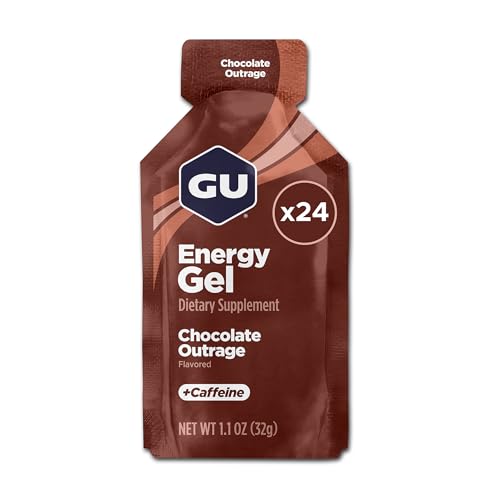
- ✓Each 100-calorie packet delivers 22 grams of dual-source carbohydrates to sustain blood glucose on long endurance runs.
- ✓Includes electrolytes and branched-chain amino acids in a compact pouch that fits easily in any shorts pocket or belt.
- ✓Buying a 24-count box lowers the per-gel cost compared to grabbing single packets at race expos.
How to Keep Your Running Fuel Budget Reasonable
For appropriate training sessions, ordinary foods can sometimes do the job just fine. Bananas, pretzels, dried fruit, and other carbohydrate-rich snacks may be convenient alternatives, depending on the duration of the run, portability, and your stomach's tolerance. Specialized gels are particularly convenient because they're compact, easy to measure, and designed for endurance activity, but that doesn't make them mandatory for every runner.
If you're building toward a half marathon or marathon, our free Marathon Fueling Calculator can help you plan a fueling strategy instead of buying random packets and hoping for the best. Your nutrition needs should determine your purchases, not the aesthetic appeal of having an entire kitchen drawer labeled "RUN FUEL." Although I admit that would be a very satisfying drawer to organize.
Hydration: The Deluxe Water Department
Water is one of the least glamorous things in existence, but it's also apparently an entire product category. Running hydration equipment includes handheld bottles, waist belts, collapsible flasks, hydration vests, electrolyte tablets, drink powders, and insulated bottles in enough colors to coordinate with an entire running wardrobe. You can now purchase an accessory specifically to carry another accessory that carries water. Human innovation is remarkable.
When Is Hydration Gear Actually Useful?
Your hydration needs depend on several factors, including:
- How long you're running
- Weather and humidity
- Your sweat rate
- Exercise intensity
- Whether drinking water is available along your route
For a short run in comfortable weather, you may not need to carry water at all, provided you're appropriately hydrated and have reasonable access to fluids before and afterward. A long run in hot, humid conditions is an entirely different experience. In those circumstances, access to fluids matters much more, and carrying water may be a practical safety decision rather than a shopping preference.
Our free Hydration Calculator for Runners can help you think through fluid planning based on your workout and conditions. For runners who have outgrown the "I'll just drink something when I get home" approach, a handheld running water bottle can be a relatively simple solution.

- ✓Ergonomic adjustable hand strap lets your fingers relax completely so you don't waste energy clenching a bottle.
- ✓Double-wall Fire and Ice insulation keeps water cooler longer during warm summer runs.
- ✓Built-in zippered pocket holds a phone, key, or a couple of energy gels right on the back of your hand.
You don't necessarily need a full hydration vest for a neighborhood 5K, but you also shouldn't avoid carrying water when conditions make it necessary just to save money. The goal is practical hydration, not completing a financially competitive dehydration challenge.
Race Entry Fees: Paying to Run a Route
Of all the peculiar expenses associated with running, race registration might be my favorite. You voluntarily pay money to wake up before sunrise, locate parking in a crowded lot, stand around in the cold or humidity, and run a distance you could technically run for free. And afterward, you feel fantastic about it.
The difference is the experience. An organized race gives you an established course, a shared starting line, other runners to encourage you, an official result, and sometimes a medal or shirt. It's a celebration of the work you put into training, which makes race fees a completely legitimate expense if you enjoy participating. It also makes them dangerously easy to justify.
How Much Do Running Races Cost?
According to NerdRunner's September 2026 race-entry data, reported median U.S. registration fees were approximately:
- 5K: $35
- 10K: $45
- Half marathon: $65
- Marathon: $99
These are reported medians from a changing sample of upcoming races, not guaranteed registration prices. Individual events can cost significantly more or less.
And race organizers aren't simply collecting fees in exchange for permitting you to use your legs. Permits, insurance, timing equipment, road closures, medical support, staffing, and participant amenities can be substantial expenses. Running USA's industry research discusses the rising costs involved in organizing road races.
Still, a runner signing up for six local 5Ks at $35 each would spend $210 on registration alone. That's before purchasing any celebratory breakfast sandwiches.
The Race Registration Trap
The truly dangerous part is that races have calendars. You finish one 5K feeling accomplished, then notice a themed event next month, a holiday race the month after that, and a charity event your friend wants to do. Eventually, your weekends begin organizing themselves around packet pickup times.
There's nothing wrong with collecting race experiences, but you can also enjoy running without regularly paying for an official finish line. For beginners considering their first event, our first 5K race guide explains what to expect, from arrival and parking to the finish line.
Race Day Extras: The Fees Behind the Fee
Race entry fees are only part of the story. Some of the most surprising running expenses happen before you've even crossed the starting line, and depending on the event, those additional costs can rival or exceed the registration itself.
Consider the potential extras:
- Parking fees
- Gas or transportation
- Hotel accommodations
- Flights for destination races
- Merchandise
- Optional commemorative purchases
- Meals while traveling
- Registration processing fees
A local 5K might cost little beyond registration and transportation, while a destination marathon can turn running into an entire vacation with a race attached.
Recovery: The Post-Run Shopping Cart
Running recovery has an impressive variety of products, including foam rollers, massage guns, compression boots, specialized recovery footwear, stretching equipment, topical products, and various accessories promising to make tired legs feel less like they've been assembled from leftover furniture parts. Some are genuinely convenient, while others are optional comforts wrapped in surprisingly expensive packaging.
What Does Running Recovery Actually Require?
The foundations of recovery aren't particularly glamorous:
- Getting enough sleep
- Eating adequate food to support training
- Rehydrating appropriately
- Gentle stretching
- Allowing time between demanding sessions
- Adjusting training when fatigue or discomfort calls for it
None of those require a massage gun. A foam roller or massage tool may help some runners feel more comfortable, but these accessories aren't substitutes for sufficient recovery time, appropriate training, or medical care when an injury needs attention. And not every ache requires an immediate purchase.
Sometimes the most useful response to tired legs is simply giving them a break. There is, admittedly, very little commercial potential in telling runners to sit on the couch and have dinner.
Recovery Purchases Worth Considering
If a particular recovery tool helps you maintain a comfortable routine and you'll actually use it, it may be worth owning. Just be selective about the things you purchase instead of assuming you need an entire collection of recovery gadgets.
A basic foam roller that you use regularly can be more practical than an entire recovery station that becomes an expensive place to store laundry. And if your recovery ritual involves gentle stretching, a warm shower, comfortable clothes, and lying dramatically across the couch, congratulations. You already have a perfectly respectable system.

- ✓Rigid hollow core wrapped in multi-density EVA foam won't flatten out after months of rolling tight calves and quads.
- ✓Textured surface zones mimic the palm and fingers of a massage therapist for straightforward post-run rolling.
- ✓Compact 13-inch length tucks neatly beside a couch instead of turning your living room into a gym.
Running Tech: The Run is Free, the Gadgets Aren't
One of the stranger developments in recreational running is how thoroughly we've learned to quantify an activity our ancestors managed without Bluetooth. Distance, pace, cadence, heart rate, training load, sleep, and recovery metrics can now be tracked and analyzed through devices that fit on your wrist.
Some watches provide an extraordinary amount of information about your workouts. And then there's the deeply personal experience of feeling great during a run, only to discover your watch has a different opinion. Thank you, wrist computer. Your feedback has been noted.
Do You Need a Running Watch?
No. A GPS watch can be helpful for tracking training, pacing workouts, or following structured plans, but it isn't a requirement for becoming a runner. You can also track runs using free smartphone apps, manually record workouts, or simply run based on time and perceived effort.
There is no entry exam requiring you to know your cadence. A watch becomes worthwhile when the information it provides is useful to you, not when you feel pressured to buy one because everyone at your run club has a slightly glowing wrist.
The Hidden Technology Expenses
Running technology costs can include:
- GPS watches
- Wireless headphones
- Heart rate monitors
- Paid fitness apps
- Premium training subscriptions
- Virtual coaching platforms
Some runners genuinely enjoy the data and use it consistently, while others find that tracking every metric removes some of the fun. Neither approach is inherently better, and you certainly don't have to purchase every new gadget to get something meaningful out of running.
If you want to explore training metrics without immediately investing in new devices or subscriptions, Runner's Cove has a collection of free running calculators and tools, including pace, race-time, and training-related calculators. The information can be useful, but you don't need to turn your wrist into a small financial commitment to participate.
How to Run Without Emptying Your Wallet
The point of this article isn't to convince everyone to stop buying running gear. That would be a particularly joyless approach to a hobby that can bring so much happiness. It's about spending intentionally instead of allowing every new interest to produce another online order.
Here are a few ways to make running more affordable without making it less fun.
1. Buy Gear When You Have an Actual Need
Does your current clothing work? Keep wearing it. Do your shoes still fit comfortably and show no significant signs of wear? There's no need to replace them simply because a new colorway exists. And if your phone is constantly falling out of your shorts, that might actually be a legitimate reason to buy a running belt.
Start with the problem, then find the product. It's a simple approach that can prevent a surprising number of unnecessary purchases.
2. Shop Previous-Generation Running Shoes
New running shoe releases are exciting, but last year's model doesn't suddenly forget how to function. If you already know a particular shoe works well for you, an older version may be worth considering when it's available at a discount.
Just remember that shoe updates can change fit and feel, so don't assume every generation is identical. The goal is to find a shoe that works for your feet, not necessarily the one that just appeared in everyone's social media feed.
3. Give Yourself a Race Budget
Instead of registering for every interesting event, choose a few you genuinely care about. Maybe you want one big goal race, a festive holiday 5K, and a community charity run. Planning ahead allows you to prioritize the experiences you'll value most while keeping registration expenses predictable.
It also reduces the possibility of opening your calendar and discovering you've accidentally become a part-time race registration sponsor.
4. Make Free Runs Feel Special
Not every memorable run needs a medal. Try a new scenic route, visit a local trail, meet a friend for an easy jog, or plan a sunrise run somewhere beautiful. You can even set your own challenge and celebrate completing it.
A personal milestone doesn't become less meaningful because nobody charged you a processing fee. Some of the best running experiences happen outside of organized events, with no registration confirmation required.
5. Use What You Already Have
You might already own a perfectly functional water bottle, weather-appropriate clothing, headphones, or a phone capable of tracking distance. If those things work for your needs, they count.
Running companies are very good at developing specialized equipment, but that doesn't automatically make everything you own obsolete. Replacing perfectly functional gear just because there's a newer running-specific version isn't always necessary.
6. Track the Expenses That Repeat
One-time purchases are easy to notice, but recurring expenses are a little more slippery. Shoes, gels, race registrations, replacement socks, and subscription fees can gradually accumulate throughout the year. If you're curious about your actual cost of running, keep a simple record of what you spend for a few months.
You don't need an elaborate spreadsheet, although if you enjoy spreadsheets, I fully support the creation of a color-coded dashboard titled "Financial Consequences of Having Hobbies." You can also use our Running Cost Calculator above to estimate your annual expenses based on your actual habits.
7. Spend More on What Matters to You
Maybe you love racing and happily spend money on entry fees. Maybe your favorite part of running is testing shoes, or maybe you couldn't care less about either but love collecting fun running outfits. Great! Your hobby budget doesn't need to look like anyone else's.
If a purchase improves your experience and fits comfortably within your finances, you're allowed to enjoy it. The goal isn't to achieve the lowest possible cost per mile. It's to make sure your hobby adds more happiness than financial stress.
The Best Part of Running Still Costs Nothing
For all the jokes about shoes, watches, energy gels, and race registrations, the central activity hasn't changed. You can still step outside and go for a run without a registration confirmation, exclusive equipment, or a professional race photographer waiting to capture your least flattering facial expression. Just fresh air, movement, and the satisfaction of doing something for yourself.
The accessories might make running more comfortable, convenient, social, or entertaining, but they aren't what makes you a runner. Some of your favorite running memories might end up being the ones that cost absolutely nothing.
So yes, running can become an outrageously expensive free hobby. Fortunately, you get to decide how expensive it becomes. Now, if you'll excuse me, I need to go look at some running shoes. For research purposes.
Frequently Asked Questions
Is running actually a free hobby?
Yes. Running itself doesn't require membership fees, event registration, or specialized technology. If you already own comfortable, suitable shoes and clothing, you may be able to begin without buying anything new. Organized races, accessories, and premium gear are optional expenses.
How much does it cost to start running?
Starting costs depend on what you already own. Some beginners can start with their existing shoes and workout clothes, while others may need to purchase properly fitting running shoes or supportive clothing. You do not need a GPS watch, running gels, or a paid training program to begin.
What is the most expensive part of running?
Running shoes are a common recurring equipment expense, particularly for runners accumulating substantial mileage. However, race registrations, travel, accommodations, and technology can easily become larger costs for runners who participate in frequent events or purchase premium equipment. The biggest expense depends on your individual running habits.
Do beginner runners need expensive running gear?
No. Beginners should prioritize comfortable footwear, suitable clothing, and safety needs appropriate to their running environment. Specialty socks, belts, watches, hydration vests, and other accessories can be useful, but they are not universally necessary.
Do I need to buy energy gels for running?
Not necessarily. Many short, easy runs do not require additional fuel during exercise. Longer training sessions and endurance races can benefit from an appropriate carbohydrate-fueling strategy, but specialized gels are only one option. Your needs depend on duration, intensity, and individual tolerance.
How can I make running cheaper?
Use the clothing and accessories you already own, look for deals on previous-generation shoes, choose races selectively, use free training resources, and purchase new equipment when it solves a genuine need. The most effective approach is to distinguish necessities from optional upgrades while keeping the parts of running you enjoy most.
