

Chasing a faster race time can be deeply satisfying, but it isn’t the only way to have a meaningful running season. If the only question you ever ask yourself at the end of a workout is “what was my average pace?”, you’re shrinking a rich, lifelong sport down to a tiny number on a glass screen.
Running offers far more ways to grow than shaving five seconds off a mile split. You can become the runner who reliably shows up three mornings a week, knows every hidden dirt path in your county, volunteers at local aid stations, or owns an absurd collection of holiday race costumes. Those milestones expand who you are as a runner, and they remain deeply rewarding whether your watch says you’re speeding up, slowing down, or holding completely steady.
These 25 running goals are designed to make your running life more adventurous, consistent, and joyful. None of them secretly exist to make you faster, and every single one is worth pursuing simply because it makes running something you want to keep doing for years to come.
25 Running Goals: What You Need to Know
Getting faster is only one way to grow as a runner. Building consistency, feeling more confident, and finding more joy in your miles can be just as meaningful as setting a new personal best.
These 25 goals offer ways to move forward without chasing a pace. Browse the full list below, then jump to whichever goal fits what you need right now. You don’t have to tackle them all; starting with just one meaningful goal is plenty, and there’s no rush to do everything at once.
- 1. Run Consistently for One Full Season
- 2. Get Genuinely Comfortable Running Easy
- 3. Complete More Runs Without Checking Your Pace
- 4. Build a Rotation of Running Routes You Love
- 5. Spend More Running Time in Nature
- 6. Run Somewhere Genuinely Beautiful
- 7. Go on a Sunrise Run and a Sunset Run
- 8. Reward a Non-Pace Goal With New Running Gear
- 9. Choose to Run in the Rain Sometimes
- 10. Use Running to Explore Somewhere New
- 11. Sign Up for an Outrageously Themed Race
- 12. Run a Race in a Hilarious Costume
- 13. Choose a Race Because the Experience Looks Amazing
- 14. Turn a Destination Race Into a Vacation
- 15. Make Running More Social
- 16. Share a Run With Someone You Care About
- 17. Help Another Runner Accomplish Something Important
- 18. Volunteer at a Race
- 19. Use Running to Support Something You Care About
- 20. Build a Strength Routine You Can Maintain
- 21. Learn What Fueling and Hydration Work for You
- 22. Create a Running Ritual You Look Forward To
- 23. Document a Season of Your Running Life
- 24. Celebrate Before You Analyze
- 25. Build a Relationship With Running You Want to Keep
Build a Sustainable Running Life
The most valuable skill in running isn’t running hard; it’s creating a routine that survives busy workdays, cold mornings, and changing life commitments.
1. Run Consistently for One Full Season
Pick a realistic weekly schedule that fits your actual lifestyle (such as three runs per week) and maintain it for an eight- to twelve-week season.
The accomplishment here is the rhythm itself. You aren’t aiming for a rigid, unbreakable daily streak that ignores illness or family emergencies. Success simply means that when Tuesday morning rolls around, lacing up your shoes feels like an ordinary, dependable part of your week. If you’re establishing your weekly cadence, our foundational guide on how to start running covers how to space your active days so your legs stay fresh.
2. Get Genuinely Comfortable Running Easy
Many runners spend years accidentally running every single mile at a moderately hard effort because they think slowing down means they aren’t working hard enough.
Learning to run at a truly conversational pace is an extraordinary skill. When you can comfortably speak full sentences out loud without gasping for breath, running transforms from a stressful physical test into a relaxing daily escape. You don’t need to justify this by telling yourself it builds an aerobic base for a future marathon. Running easy is worth learning because comfortable running feels wonderful on its own merits.
3. Complete More Runs Without Checking Your Pace
GPS watches are incredible tools, but constantly glancing at your wrist turns a peaceful morning outdoors into an ongoing performance evaluation.
Make it a goal to leave your watch on the kitchen counter, or change the display screen so it only shows total elapsed time and distance. Let your breathing, the gradient of the hill, and the morning air dictate how fast your feet move. Your Garmin is allowed to be a silent recording device rather than a demanding manager.
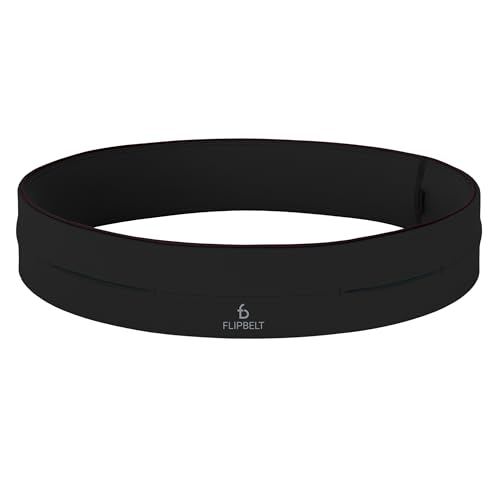
- ✓Tubular pocket design holds smartphones, keys, and cards securely without bouncing.
- ✓Moisture-wicking, machine-washable stretch fabric fits comfortably beneath your running shirt.
When you run without looking at a watch screen, having a bounce-free way to carry your phone and house keys keeps your hands completely empty so you can relax your shoulders and take in your surroundings.
Make Running an Adventure
Running can easily become repetitive when you run the same sidewalk loop outside your front door every single week. Shifting your mindset toward exploration brings back the sense of wonder you felt as a kid.
4. Build a Rotation of Running Routes You Love
Instead of defaulting to one single route out of habit, deliberately curate three or four dependable courses tailored to different moods and weather conditions.
Map out a shaded park loop for hot summer afternoons, a flat paved greenway for low-effort recovery days, a quiet neighborhood course for early mornings, and a scenic loop you save for weekend mornings. Having options removes decision fatigue and makes stepping out the door exciting.
5. Spend More Running Time in Nature
Pavement is convenient, but running on dirt trails, wooded paths, and lakeside boardwalks delivers a completely different sensory experience.
Soft natural ground cushions your steps, while navigating winding trails encourages you to look around rather than staring blankly at your GPS splits. You don’t need to travel to a rugged backcountry wilderness to experience this; a local county park or crushed-gravel rail trail counts completely.
6. Run Somewhere Genuinely Beautiful
Pick a location where the surrounding landscape is so striking that the view alone justifies the workout.
Plan an outing along an ocean beach, a lakeside trail, a mountain fire road, or an urban waterfront park overlooking a glowing city skyline. When you pause at an overlook to watch fog rolling over a valley, nobody cares what your pace was over the previous mile. The memory of the view is the entire point.
7. Go on a Sunrise Run and a Sunset Run
This is a two-part experiential goal that lets you witness how differently the world feels at the edges of the day.
Stepping outside as dawn breaks lets you watch the neighborhood slowly wake up while the air is still crisp and still. Returning for an evening run at golden hour allows you to watch the sunset paint the sky as you shed the accumulated mental fatigue of your workday. If you’re curious about how early morning stillness compares to warmer evening strides, our breakdown of the best time of day to run explains how your body adapts across different hours.
8. Reward a Non-Pace Goal With New Running Gear
Treating yourself to fresh running gear is traditionally tied to finishing a race or hitting a time milestone, but non-pace consistency deserves celebration just as much.
Set a tangible, non-speed target, like finishing eight weeks of strength sessions, completing ten watch-free runs, or exploring five new parks. Once you achieve it, celebrate with a comfortable pair of running shorts, moisture-wicking socks, or a stylish pair of polarized sunglasses that make sunny miles more comfortable.

- ✓Special grip coating eliminates frame slippage down sweaty noses during warm outdoor miles.
- ✓Polarized UV400 lenses block 100% of UVA and UVB rays while cutting harsh landscape glare.
Choosing a practical reward that you’ll use on everyday outings reinforces the habit and gives you a tangible reminder of your dedication.
9. Choose to Run in the Rain Sometimes
Running through a steady, warm drizzle can make you feel like an adventurous kid splashing through puddles.
There’s a peaceful stillness to rainy streets that sunny afternoons rarely match. The key is distinguishing between an enjoyable drizzle and dangerous weather. Stepping out into a gentle rainfall is an adventure; sprinting into an active thunderstorm with lightning warnings isn’t dedication, it’s poor judgment. When wet weather arrives, review our practical tips on how to run in the rain so your feet stay blister-free and your footing stays secure.
10. Use Running to Explore Somewhere New
Running is an exceptional mode of travel because you move fast enough to cover real distance, but slowly enough to notice small details you’d miss from a car window.
When visiting an unfamiliar city on vacation or spending a weekend in a neighboring town, lace up your shoes and explore. Running through historic downtown alleys, harbor boardwalks, and suburban parks gives you an intimate sense of place that tourist buses never provide.
11. Sign Up for an Outrageously Themed Race
Traditional road races can sometimes feel intimidatingly serious, with runners nervously warming up with resistance bands and fretting over five-second pace variations in the starting corral.
The antidote is an event where performance is intentionally irrelevant. Events like the Night Nation Run combine a nighttime 5K with live DJ stages, blacklights, neon body paint, and a post-race music festival atmosphere. Its own event guidelines jokingly remind competitive runners that if they’re hunting a strict 5K personal record, this probably isn’t the event for them. Signing up for an intentionally ridiculous event reminds you that running can be pure entertainment.
12. Run a Race in a Hilarious Costume
Lacing up your running shoes while wearing an inflatable turkey suit, an elf hat, or a full superhero cape completely changes your relationship with the starting line.
Holiday events like community Thanksgiving Turkey Trots and festive 5Ks actively encourage festive costumes, and some races even host costume contests before the gun goes off. You can’t possibly stress about your mile splits when spectators on the sidewalk are cheering for a giant waddling bird. If you’re thinking about tackling a festive run in costume, our gear roundup of inflatable costumes for a Halloween 5K highlights options that keep your legs free to stride safely.
13. Choose a Race Because the Experience Looks Amazing
Stop searching race calendars exclusively for flat, pancake-straight road courses advertised as “fast PR courses.”
Instead, register for an event where the course itself is breathtaking. Choose a trail race that meanders past towering redwoods, a coastal 10K running beside breaking ocean surf, or a small-town autumn run that winds through apple orchards and ends with fresh cider doughnuts. The memories of the course will outlive whatever number gets printed on your finisher certificate.
14. Turn a Destination Race Into a Vacation
Pick an event in a region you’ve always wanted to visit, and build a relaxing multi-day getaway around the weekend.
Organizations like Vacation Races host half marathons and 5Ks located just outside the borders of iconic national parks, including Zion, Yosemite, Joshua Tree, and the Great Smoky Mountains. Instead of driving home immediately after crossing the finish line, stay an extra two nights to explore local coffee shops, hike scenic trails, and enjoy relaxed dinners with family. The race becomes the anchor of a memorable trip rather than the sole reason for the weekend.
Make Running Bigger Than Yourself
Running is often practiced as a solitary activity, but connecting with other runners can turn a lonely pursuit into a lifelong community.
15. Make Running More Social
You don’t need to transform into an extroverted social butterfly to benefit from community miles.
Making running more social can mean attending a friendly weekend coffee-and-run club once a month, meeting one recurring running buddy on Thursday mornings, or joining a local walking-and-running group. Sharing conversation while your feet tick off miles makes the time pass effortlessly and builds genuine accountability.
16. Share a Run With Someone You Care About
Invite your partner, a close friend, a parent, or your child to join you for an easy outing where the conversation takes priority over distance.
Take walking breaks whenever needed, jog at whatever pace allows you to chat without breathing hard, and leave your personal training expectations at the door. Some of the most meaningful conversations in life happen when you’re moving side by side along a quiet road without screens or interruptions.
17. Help Another Runner Accomplish Something Important
One of the most rewarding experiences in running is using your own energy to support someone else’s goal.
Offer to pace a friend during their first continuous 5K without stopping, accompany a training partner on their longest weekend trail run, or simply answer a nervous first-timer’s questions about how race packet pickup works. Helping someone else discover their own resilience often feels far more meaningful than any individual milestone you hit yourself.
18. Volunteer at a Race
If you’ve only ever experienced races from the runner’s side of the course, volunteering gives you an entirely new appreciation for the sport.
Sign up to hand out water cups at a bustling aid station, guide participants as a course marshal, or place finisher medals around runners’ necks at the line. You’ll witness the raw courage of back-of-the-pack runners digging deep to finish before the cutoff, and the gratitude you receive from passing athletes will fill your own motivational tank for months.
19. Use Running to Support Something You Care About
Running gives you a platform to contribute to causes you care about in your broader community.
You could register for a charity 5K that benefits a local animal rescue, raise funds for a pediatric hospital foundation, or participate in a neighborhood park cleanup run. Connecting your physical strides to something larger than yourself gives your miles a deeper sense of purpose on days when personal motivation feels low.
Take Care of the Whole Runner
Taking care of yourself as a whole person ensures that your body stays resilient, capable, and happy on the run.
20. Build a Strength Routine You Can Maintain
You don’t need an elaborate six-day weightlifting split that survives for two weeks before collapsing under its own complexity.
Focus on building a simple, maintainable routine of two 15- to 20-minute sessions each week using bodyweight squats, lunges, glute bridges, and calf raises. Being physically strong isn’t just about athletic performance; it keeps your hips, knees, and ankles resilient so daily life feels easier and you can carry groceries or hike hills without aching.
21. Learn What Fueling and Hydration Work for You
Developing practical self-knowledge about how your stomach reacts to food and fluids makes every long effort significantly more comfortable.
Experiment during easy weekend outings to discover what light snacks give you sustained energy without triggering cramps. Learn how much water you need on humid summer mornings so you don’t return home with a pounding dehydration headache. Carrying fluids on extended adventures using one of the best running hydration vests lets you practice regular sipping on the move without holding bulky bottles.
22. Create a Running Ritual You Look Forward To
Build positive sensory associations around your running routine so the entire experience feels like a treat rather than a chore.
Your ritual might be listening to a gripping audiobook that you only allow yourself to play during Sunday morning miles, stopping at a favorite neighborhood bakery for a warm pastry immediately after your run, or enjoying a slow, mindful stretching session while your morning coffee brews.

- ✓Open-ear bone conduction technology delivers clear sound while keeping your ears open to nature and traffic.
- ✓Provides up to 10 hours of dependable battery life with a quick 5-minute charge boost.
When you tie running to pleasant personal rituals, getting out the door becomes something you eagerly look forward to during a stressful week.
23. Document a Season of Your Running Life
Activity apps record split times and heart rate graphs, but they rarely capture the emotions, funny moments, and personal breakthroughs of a running season.
Keep a dedicated paper running journal, save your favorite race bibs in a memory scrapbook, or snap a single landscape photo from every Saturday morning loop. Writing down how a rainy morning made you laugh or how an evening run cleared your mind creates a meaningful keepsake you’ll cherish for years. For ideas on inspiring training logs and mindset books, browse our curated collection of the best books for runners.
24. Celebrate Before You Analyze
When you cross a finish line or complete a challenging training milestone, resist the urge to immediately reach down, stop your watch, and critique your pace splits.
Take the finisher photo with your friends, wear your medal proudly, eat the post-race pancake, and acknowledge what your body just accomplished. Give yourself permission to celebrate the human experience of the event before you open an app to look at your pace data. The splits can wait twenty minutes; the joy of finishing belongs in the present moment.
25. Build a Relationship With Running You Want to Keep
The ultimate goal in running is not discovering how fast you can force your body to move over a single season; it’s building a relationship with the sport that you still want to be living twenty years from now.
A sustainable running life leaves room to change. Some years will naturally hold races, group runs, and big weekly mileage. Other seasons will hold shorter neighborhood loops, frequent walking breaks, or quiet periods of active recovery. Progress isn’t measured by whether your watch shows a smaller number on every workout. True progress is realizing that running is a lifelong companion that enriches your health, deepens your friendships, and gives you a reason to step outside and breathe fresh air.
Wrapping Up: Building a Running Life That Lasts
You don’t need a new personal best to have something worth working toward. Running goals can mean getting comfortable on a trail, making time for a weekly run with a friend, or finally taking recovery as seriously as training. Those things change what running adds to your day, and they don’t need a pace attached to count. There’s plenty to be proud of that your watch won’t pick up.
For now, pick one goal that feels useful in the life you’re actually living. Make the next step small enough to act on this week: invite that friend, try a short stretch of trail, or leave a rest day on the calendar. After a few weeks, ask yourself what’s working and what isn’t. You can adjust without calling it failure. The point isn’t to turn all 25 ideas into another checklist; it’s to find more reasons to keep showing up.
Frequently Asked Questions
What are some running goals that aren’t about pace?
Great non-pace goals focus on consistency, exploration, community, and personal well-being. Examples include running regularly for an eight-week season, finding three beautiful neighborhood routes, running in a fun costume, volunteering at an aid station, or building a sustainable weekly strength routine. These goals enrich your running life regardless of how fast your watch says you are moving.
How do I measure running progress without getting faster?
You can measure progress by how relaxed easy miles feel, how reliably you get out the door each week, how quickly you recover afterward, and how much you look forward to lacing up your shoes. Noticeable improvements in confidence, mental clarity, joint durability, and friendships are profound indicators of growth that never appear on a race results board.
Do runners always need an upcoming race on the calendar?
Not at all. While organized races offer exciting community energy, running simply to enjoy fresh air, decompress after work, or explore scenic trails is just as valid. Many runners find that taking breaks from race training rekindles their genuine love for the sport and eliminates unnecessary schedule pressure.
What if I don’t care about setting personal records?
Running does not require you to treat every season like an athletic performance review. You are completely allowed to run simply because moving your legs feels good, stepping outside clears your mind, and you enjoy spending time with running friends. Progress is about building a relationship with running that you want to keep for decades.
How can I stay motivated to run without a target finish time?
Focus on the experiential rewards of your routine, such as exploring new routes, breathing fresh outdoor air, decompressing after work, and sharing miles with friends. When you tie motivation to curiosity, physical well-being, and personal rituals rather than strict split times, getting out the door becomes an enjoyable habit you look forward to every week.
Can experienced runners benefit from non-pace running goals?
Experienced runners often benefit the most from setting non-pace goals. After years of chasing PRs, shifting focus toward trail exploration, volunteering at local events, mentoring a training partner, or establishing a consistent strength routine prevents mental burnout and revitalizes your genuine enjoyment of the sport.
