

If you scroll through running feeds on a Saturday morning, you’ll see an incredible variety of ways people celebrate the sport. Many runners love chasing personal records, dialing in cadence and heart rate zones, and building toward marathon finish lines. Testing your limits and seeing what your body can accomplish is an exciting, deeply rewarding part of the running world.
At the same time, performance goals aren’t the only reason to lace up your sneakers.
For millions of runners, movement is less about clocking specific splits and more about enjoying everyday wellness. You don’t need a race on the calendar or a strict pacing schedule to get something wonderful out of running. You can run simply because it clears your head, gets you outside into the morning sunshine, supports your cardiovascular health, and gives you an excuse to enjoy a big stack of blueberry pancakes afterward.
Welcome to the back of the pack. It’s warm, friendly, remarkably relaxed, and full of people who genuinely love movement for the simple joy it brings to everyday life.
Whether you’re jogging three miles before work, walking up steep neighborhood hills, or simply enjoying the crisp breeze, here’s what everyday running looks like when your only goals are health, happiness, and consistency. If you mix relaxed running intervals with walking breaks on your daily loops, our Run-Walk Pace Calculator makes it easy to plan your time on foot. Logging most of your weekly mileage at the conversational effort detailed in our Zone 2 running guide maximizes cardiovascular longevity while protecting your joints.
A Day in the Life of the Casual Runner
- Running & Training: Embracing the Conversational Pace
- Rest & Recovery: Savoring Days Off Without the Guilt
- Everyday Nutrition: Real Food, Good Energy & Joyful Fueling
- Gear & Comfort: Simple Essentials for Everyday Miles
- Real-Life Harmony: Fitting Miles Around Work, Family & Chaos
- Mindset & The Long Game: Running for the Rest of Your Life
Running & Training: Embracing the Conversational Pace
The morning alarm goes off, and the day starts with an easy sense of calm. You aren’t worrying about hitting target splits or pacing requirements before your coffee has even kicked in. You’re just pulling on a soft cotton t-shirt, tying your favorite cushioned shoes, and stepping out the front door into the quiet morning air.
One of the greatest joys of back-of-the-pack running is discovering the freedom of conversational pace. This is the relaxed rhythm where you can speak in complete sentences, listen to an engaging podcast, or admire someone’s blooming hydrangeas along the sidewalk. Keeping the effort light turns running into a peaceful, moving meditation.
Back-of-the-packers also know a wonderful approach to sustainable running: walking breaks are a welcome part of the journey. Using structured run-walk intervals helps keep your heart rate stable, gives your knees and calves a recurring breather, and may reduce next-day fatigue. When you spot a steep hill, shifting down into a brisk hike is a smart and comfortable way to manage effort. Slower paces give your body time to adapt as you build endurance. And when speed isn’t your priority, exploring running goals beyond pace can help keep your routine enjoyable and rewarding.
Rest & Recovery: Savoring Days Off Without the Guilt
When you run for health and longevity, rest days come with zero second-guessing. You don’t have to wonder whether taking a day off fits into a complex training block. Instead, downtime is simply embraced as an essential part of feeling healthy, refreshed, and ready for your next outing.
Your running schedule naturally bends around your life, not the other way around. If your toddler kept you up until 3:00 a.m., if you worked a long shift on your feet, or if your muscles feel like they need downtime, the kindest and healthiest choice is often an extra hour of sleep. Resting when your body asks for it protects your joints and keeps your enthusiasm fresh.
Dismantling all-or-nothing thinking is what keeps recreational runners consistent over decades. Missing a scheduled morning jog doesn’t mean your week is ruined. You can stretch on the rug while watching your favorite evening show, enjoy a gentle recovery walk, or try a restorative Sunday reset routine for runners.
Everyday Nutrition: Real Food, Good Energy & Joyful Fueling
For long-distance racers and high-mileage athletes, specialized fueling strategies like electrolyte calculations and carbohydrate gels serve a clear purpose. But if you’re jogging three or four relaxed miles before breakfast, your fueling approach can be delightfully simple: eat delicious, real food that makes your body feel great.
Back-of-the-pack nutrition centers on nourishing, balanced meals that support long-term cardiovascular health and steady daily energy. Wholesome home-cooked food provides plenty of fuel to keep your running feeling smooth and enjoyable.
After a weekend run, our homemade Snack Wrap dupe recipe makes an easy meal with lean protein and crunchy greens wrapped in a warm tortilla. You can also browse our collection of wholesome Runner’s Cove recipes and explore smart healthy food swaps that add fiber, healthy fats, and vibrant produce to everyday dinners.
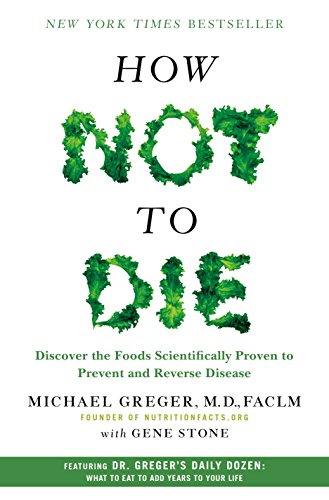
- ✓Written by physician Michael Greger, M.D., FACLM, and Gene Stone across 576 pages.
- ✓Examines peer-reviewed research on nutrition, preventive wellness, and everyday lifestyle habits.
- ✓Offers practical guidance on incorporating nutrient-dense, whole-food options into regular meals.
If you enjoy reading about preventive health and how daily nutrition shapes your long-term vitality, the bestselling book How Not to Die by Dr. Michael Greger offers an evidence-grounded look at the power of whole, plant-forward foods. It’s a wonderful, low-pressure guide for anyone who views wholesome eating and steady aerobic movement as lifelong partners in wellness rather than short-term diet tools.
Gear & Comfort: Simple Essentials for Everyday Miles
Running gear has evolved to offer something for every style of runner, whether you love GPS watches with detailed biometric data or high-tech carbon plates. But if advanced gadgets aren’t your focus, the wonderful truth is that everyday running has a delightfully low barrier to entry.
You don’t need specialized racing equipment to have a fantastic time on foot. All you really need are comfortable sneakers with ample cushioning that match your natural biomechanics. Taking a quick look at your worn outsoles with our shoe wear pattern analysis tool helps you spot whether your everyday trainers still support your feet comfortably. If your routine blends relaxed jogging with brisk neighborhood strolls, understanding the key differences between walking vs running shoes can also help you choose a versatile pair with the right balance of heel cushioning and flexibility.

- ✓Plant-derived barrier formula applied directly from an easy-to-use 1.5-ounce twist-up stick.
- ✓Protects skin from friction and rubbing along thighs, underarms, and seams in dry or humid weather.
- ✓Non-petroleum, water-resistant formula that stays put while moving and washes off cleanly with soap.
Beyond a reliable pair of shoes, the items that make the biggest difference for casual miles are delightfully practical. A quick pre-run swipe of Body Glide Original Anti Chafe Balm protects your skin against friction along sports bra lines, thighs, and underarms, preventing irritation so you can focus entirely on enjoying the fresh air.

- ✓Expandable spandex pocket stretches up to 9 x 4 x 2 inches to securely hold large phones, keys, and cards.
- ✓Soft 1-inch elastic waistband fits waist sizes from 25 to 47 inches with a low-profile buckle.
- ✓Snug bounce-free design keeps personal items resting comfortably against your body without jostling.
Carrying your personal essentials can be just as straightforward. Slipping on a low-profile SPIbelt Original Running Belt keeps your phone, house key, and cards resting snugly against your waist without bouncing or riding up, leaving your hands completely free while you jog.
Real-Life Harmony: Fitting Miles Around Work, Family & Chaos
Perhaps the defining hallmark of the back-of-the-pack lifestyle is how seamlessly running shares space with the messy, unpredictable reality of human life. We have grocery shopping to tackle, laundry piles that seem to reproduce overnight, emails waiting in our inboxes, and dogs waiting by the door with their leashes in their mouths.
For back-of-the-pack runners, movement is a flexible companion that rides along with your schedule. If you’ve only got twenty-five minutes between work commitments, an easy two-mile loop counts as a victory. If your four-legged companion has morning energy to burn, learning how to start running with your dog turns daily dog walking into shared aerobic fitness.
Experimenting with the best time of day to run lets you find sweet spots in your personal rhythm, whether that’s an early jog while the neighborhood sleeps or a sunset shakeout to decompress from work stress. The little moments are what make the lifestyle so endearing: waving hello to the same crossing guard every Tuesday, high-fiving friendly walkers, and wearing your running clothes straight to the farmer’s market without thinking twice.
Mindset & The Long Game: Running for the Rest of Your Life
When pace isn’t your primary metric, your relationship with running becomes delightfully relaxed. Your heart, lungs, and brain don’t care about your pace or total weekly mileage. They simply understand that you showed up, circulated blood, and gave your body a chance to move.
In the bigger picture of your everyday life, your cardiovascular health, mental clarity, and daily energy matter far more than any single finish-line number. What you’ll cherish most as the years roll by is having steady energy, vibrant health, resilient joints, and a sunny outlook on life. In fact, many of the well-documented benefits of walking as you age mirror the long-term rewards of easy jogging, showing that consistent, low-stress aerobic movement is one of the best investments you can make for lifelong vitality.
Learning how to romanticize your running routine transforms every outing into a cozy ritual: listening to birdsong in the trees, sipping an iced latte on your post-run walk home, and celebrating consistency over speed. When the goal isn’t a temporary finish line, the reward becomes the running itself.
Not Every Run Needs a Finish Line
You don’t need a finisher’s medal, a shelf full of shiny age-group plaques, an eight-minute mile split, or Michael Scott’s fettuccine alfredo carb-loading strategy from our fact-check of health claims from The Office to call yourself a real runner. If you put on comfortable sneakers and move your body forward with intention, you belong out here just as much as the front of the pack.
Running for health and happiness gives you a wonderful sense of freedom: the freedom to set your own rules, move at whatever pace feels good today, and enjoy the quiet satisfaction of knowing you’re caring for your body so it can carry you joyfully for decades to come.
So tomorrow morning, lace up your sneakers, take a deep breath of fresh air, settle into your comfortable conversational pace, and enjoy every single step.
Frequently Asked Questions
Is running slow still good for your cardiovascular health?
Yes, absolutely. Aerobic health benefits depend on sustained cardiovascular effort over time, not how fast your sneakers travel across the asphalt. Regular running at a conversational pace can improve cardiovascular fitness, support healthy blood pressure, and help reduce stress while keeping the effort manageable. The physical health perks of regular aerobic movement accumulate regardless of whether you run eight-minute miles or fourteen-minute miles.
How do I deal with pace comparison when everyone on social media seems faster?
Remember that social media feeds are curated highlight reels dominated by competitive training cycles and peak workouts. Many runners log easy, quiet miles that never get posted online. Shifting your focus toward non-pace milestones and practical strategies to make running a habit creates internal satisfaction that isn’t vulnerable to online leaderboards.
Is it okay to take walking breaks during a run?
Not only is it okay, but structured walking intervals are one of the smartest training strategies available. Taking planned walking breaks can help manage your heart rate, reduce workout intensity, and give your legs a recurring breather. In fact, structured strategies like the run-walk method can help runners of all experience levels build endurance and stay on their feet longer while managing fatigue. If you’re adding more walking to your routine, our guide to the best walking shoes can help you find a comfortable pair for those extra miles. Remember, you don’t have to run nonstop to make meaningful progress.
How many miles do I need to run each week to stay healthy?
Public health guidelines generally recommend 150 minutes of moderate aerobic activity (or 75 minutes of vigorous activity) per week. For anyone exploring how to start running for everyday wellness, two to three easy sessions of two to four miles each week can be a great starting point. Depending on your pace and effort, you may need additional activity throughout the week to meet those guidelines. You don’t need high-volume marathon blocks to enjoy vibrant health, deeper sleep, and elevated mood.
What should I do if my legs feel stiff the day after an easy run?
Mild next-day stiffness often just reflects your muscles and connective tissues adapting to impact. Taking an easy walk and doing gentle mobility exercises helps ease stiffness. You can also explore how to use a massage gun for running recovery as another option for relieving soreness. If fatigue persists, take an extra rest day without guilt. Giving your body time to recharge is an essential part of staying healthy and consistent for the long term.
