

When you first start running, most beginner guides hand you a neat little calendar of mileage numbers and tell you to buy a decent pair of running shoes for beginners. That’s helpful, sure, but it leaves out almost everything that actually happens once you step onto the sidewalk. Nobody warns you that your legs will feel like concrete for the first ten minutes of every single jog, or that another runner in neon shorts is going to give you a very serious two-finger salute as you pass each other at 7:00 in the morning.
Running has its own quiet culture made up of practical survival habits and funny shared truths. Most of us only figure these unwritten rules out after making the exact same mistakes: dressing like we’re trekking across the Arctic on a mild 48-degree morning, sprinting our “easy” days until our lungs burn, or learning the hard way what cotton gym socks do to your heels after twenty minutes of sweating.
Whether you’re lacing up for your very first week of jogging or you’ve been logging neighborhood miles for months, consider this your friendly shortcut. Here are the nine unwritten rules of running that every runner eventually learns, mixing the genuinely smart habits that protect your joints with the lighthearted realities that make you part of the club.
The Unwritten Rules of Running: What You Need to Know
The Everyday Rules That Save Your Legs (And Your Sanity)
1. The First Mile Is Always a Liar
Ask someone who has been running for twenty years how they feel during the first eight minutes of a run, and they’ll tell you the exact same thing: terrible. Beginners almost always assume that heavy calves, stiff ankles, and loud breathing in the first half-mile mean they’re out of shape or not cut out for the sport. In reality, why the first mile sucks comes down to basic human physiology.
When you transition from sitting at a desk or lying in bed to jogging down the street, your body takes roughly ten minutes to catch up with what you’re asking it to do. Your heart rate rises before your blood vessels fully dilate, your lungs are still adjusting their rhythm, and your joints are still warming up the synovial fluid that keeps cartilage gliding smoothly. During that awkward window, your brain will try to convince you to turn around and walk home.
The unwritten rule is simple: never judge a run by the first mile. Give your body permission to shuffle at a comically slow warm-up pace for the first ten minutes without checking your watch. Almost like magic, right around the ten-to-twelve-minute mark, your breathing settles, your stride loosens up, and the run actually starts feeling good.
2. Red Lights and Crosswalks Are Free Rest (Pause the Watch)
There’s a specific look of relief that washes over every runner’s face when they approach a busy intersection and see the orange “Don’t Walk” hand glowing across the street. On paper, you’re annoyed that traffic interrupted your rhythm. In reality, you’re thrilled that the universe just handed you a guilt-free, forty-five-second water and oxygen break.
New runners sometimes jog frantically in place at the curb or sprint across intersections to keep their elapsed time moving. Seasoned runners know better. Unless you’re getting paid to break a tape, waiting for a green light is a basic safety rule, not a failed workout. You reach down, click the pause button on your watch (or let auto-pause do the dirty work for you), put your hands on your hips, and enjoy the breeze until the crosswalk clears.
Nobody on your running app knows you paused at three stoplights on your Tuesday loop, and even if they do, they did the exact same thing on theirs.
3. If You Cannot Talk in Full Sentences, Your Easy Run Is Too Fast
The single most common mistake beginners make is treating every run like a miniature fitness test. You head out the door at a brisk pace that feels productive for the first four minutes, and by minute twelve your heart rate is redlining and you’re counting the lampposts until you can stop. When every run ends with you gasping on the front porch, it’s no wonder running feels like a chore.
Here’s the secret that lifelong runners swear by: roughly 80 percent of your weekly miles should feel almost embarrassingly easy. Coaches call this conversational pace, and the easiest way to check it is the talk test. While learning how to breathe while running, you should be able to speak a full, clear sentence out loud to a friend (or to a passing dog) without gulping for air between words.
If you can only manage one-word grunts, slow down. And if slowing your jog still spikes your breathing, use the run-walk method and mix in a 60-second walk break every few minutes. A comfortable, cushioned daily trainer also makes it much easier to settle into an unhurried rhythm without feeling beat up by the pavement.

- ✓36mm heel and 26mm forefoot stack absorbs daily pavement impact without feeling wobbly.
- ✓10mm heel-to-toe drop unloads tight calves and Achilles tendons on easy neighborhood loops.
- ✓Durable RoadTack rubber outsole handles hundreds of miles on rough asphalt and concrete.
4. Regular Cotton Gym Socks Will Betray You After Twenty Minutes
You can buy the best pair of running shoes on the wall, and a cheap pair of white cotton crew socks from a twelve-pack will still ruin your morning in twenty minutes flat. Cotton is wonderful for bath towels and couch hoodies because it absorbs water and holds onto it. Inside a warm running shoe, that exact same trait turns your sock into a damp, wrinkly sandpaper sleeve.
As your feet warm up and swell slightly during a run, wet cotton bunches under your arch and drags against the back of your heel with every stride. That combination of moisture, heat, and friction is the recipe for every painful blister you’ve ever gotten.
Once you switch to dedicated synthetic or merino wool running socks, you’ll never go back. Good running socks use hydrophobic fibers that push sweat away from your skin, seamless toe boxes that don’t rub your nails, and a raised heel tab that keeps your shoe collar from sliding down onto your Achilles tendon.
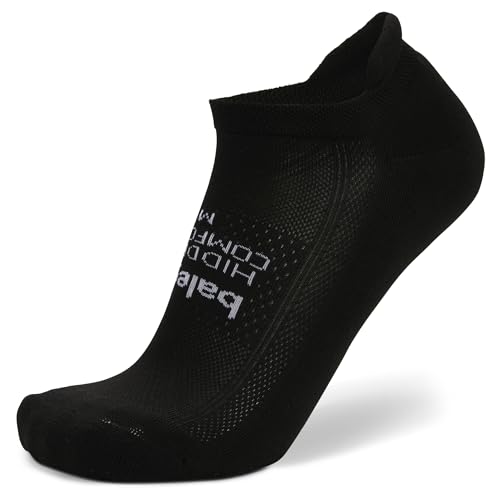
5. Dress Like It Is 15 Degrees Warmer Than the Thermometer Says
Checking the weather app before a morning run is a classic beginner trap. You see 45 degrees Fahrenheit on your phone screen, step onto the porch, feel a crisp chill in the air, and immediately grab a heavy fleece sweatshirt and a winter beanie. Ten minutes later, you’re half a mile from home, roasting like a baked potato, and tying a sweaty jacket around your waist where it bounces against your hips for the next two miles.
Once you start moving, your working muscles generate a surprising amount of internal heat. The golden rule of thumb is to dress as if it’s 15 to 20 degrees warmer outside than the thermometer actually reads. If it’s 45 degrees out, dress for a 62-degree walk.
That leads directly to the second half of this rule: be bold, start cold. When you first step outside for running in cold weather, you should feel slightly chilly for the first five to seven minutes. If you feel cozy and toasty standing still in your driveway, you’re wearing too many layers for mile two.
The Social, Gear & Mindset Rules Every Runner Learns
6. The Runner Nod (or Two-Finger Wave) Is Mandatory
At some point during your first week of running, you’ll cross paths with another runner heading the opposite direction. Neither of you knows each other, and neither of you has enough breath for a conversation, yet a silent ritual takes place. You make brief eye contact and exchange one of three official gestures: the upward chin nod, the downward head dip, or the low two-finger wave near the hip.
It doesn’t matter if one of you is running six-minute miles in split shorts and the other is doing a twelve-minute run-walk interval in a college sweatshirt. Out on the sidewalk, you’re both voluntarily sweating before breakfast, and that earns automatic mutual respect.
Don’t overthink the mechanics. A tiny raise of two fingers off your relaxed hand or a quick nod says, “I see you out here doing the work, have a good run.” And if you ever wave at a stone-faced runner who stares straight ahead and ignores you? Don’t take it personally. They’re probably still stuck in their first mile.
7. Keep Your Ears Open to the World Around You
A great playlist or a funny podcast is one of the best ways to romanticize your running routine, especially when you’re building a consistent habit. The problem is that modern active noise-canceling earbuds are a little too good at their job. Sealing both ear canals shut on a shared bike path or neighborhood street cuts you off from the exact audio cues that keep you safe.
When you can’t hear what’s happening behind you, a cyclist calling out “on your left” feels like a jump scare, and you miss the sound of electric cars backing out of driveways or an off-leash dog trotting up behind your heels. Plus, part of the charm of running outside is hearing birds in the trees, your own footstrike rhythm, and a quick “good morning” from neighbors.
If you wear traditional in-ear buds, switch them to transparency mode or leave one ear open when running near traffic or shared paths. Even better, open-ear bone-conduction headphones sit just in front of your ears, letting you hear your music and the street around you at the exact same time.

- ✓Open-ear frame sits in front of your ears so you hear approaching bikes and traffic clearly.
- ✓DualPitch audio pairs bone-conduction clarity with dedicated bass drivers.
- ✓Lightweight titanium band stays locked in place without sweaty silicone tips slipping out.
8. Never Test Brand-New Gear on Your Longest Run of the Week
You may have heard marathoners repeat the phrase “nothing new on race day,” which is one of the most important pieces of advice in our first 5K beginner’s guide. What people forget to mention is that this rule applies just as much to your regular weekend long run as it does to a race with a bib number.
When a shiny new pair of shoes, a fresh pair of running shorts, or a new caffeinated energy gel arrives in the mail on Friday afternoon, it’s tempting to take it straight out for your longest run on Saturday morning. That’s how you discover three miles from your front door that the seam on those new shorts chafes your inner thigh, or that your new shoes need a different lacing tension to keep your toes from going numb.
Save your gear experiments for short, easy twenty-minute loops close to home. If a new shirt, bra, sock, or shoe is going to rub you the wrong way, you want to find out when you’re ten minutes from your couch, not forty-five.
9. Retire Shoes by How Your Knees Feel, Not How Clean the Mesh Looks
Non-runners retire sneakers when the fabric rips or the soles look muddy. Runners have to play by a completely different rulebook, because the most important part of a running shoe is the part you can’t see breaking down.
Modern running shoe midsoles are built from thousands of tiny compressed foam cells that act like microscopic shock absorbers under your heels and arches. According to the American College of Sports Medicine, running footwear loses a substantial amount of its impact-cushioning capacity after roughly 300 to 500 miles of use, even when the upper mesh still looks clean enough to wear to brunch.
Once that internal foam packs out and stops rebounding between runs, all that leftover pavement impact travels straight up into your shins, knees, and hips. Learning when to replace running shoes means paying attention to how your legs feel the morning after an easy jog. If your ankles or knees start feeling mysteriously achy on routes that used to feel fine, or if you see deep horizontal wrinkles pressed into the sides of the foam, your shoes are telling you they’re done. Many runners also build a running shoe rotation between two pairs so the midsole foam gets a full 48 hours to decompress between outings.
Not sure if your current trainers are ready for retirement or what those smooth bald spots on the rubber mean for your stride? Flip your shoes over and use our interactive analyzer to decode your heel, midfoot, and forefoot wear in 30 seconds.
Analyze Your Outsole Wear →Wrapping Up: Welcome to the Club
Every single runner you see cruising effortlessly down the bike path once stood on their front steps dressed in three too many layers, wearing cotton socks, wondering why the first six minutes felt so impossibly hard. That’s the best part about the unwritten rules of running: learning them is a rite of passage that connects beginners to lifelong marathoners.
Slow your easy days down until you can chat comfortably, take the free breather at every red light, give the next runner you pass a quick two-finger wave, and trust that mile two is always kinder than mile one. You don’t need a certain pace or a drawer full of expensive gear to call yourself a real runner. If you’re out there moving forward, you’re already in the club.
Frequently Asked Questions
Why does the first mile of every run feel so hard?
During the first 8 to 12 minutes of a run, your body is still transitioning from rest to aerobic exercise. Your heart rate and breathing ramp up before oxygen delivery to your working leg muscles fully catches up, and your joints are still warming up synovial fluid. Once your aerobic system settles in around mile two, the effort feels noticeably smoother.
Does pausing your watch at red lights count as cheating?
Not unless you’re trying to claim an official course record! On everyday neighborhood runs, waiting for traffic at an intersection is a safety requirement, not a failed workout. Almost every runner pauses their GPS watch (or uses auto-pause) at red lights and enjoys the free 30-second breather.
How slow should an easy run actually feel?
An easy run should feel slow enough that you can speak in complete sentences without gasping between words. For many beginners, that means slowing down by 60 to 90 seconds per mile from what feels ‘normal’ or mixing in short 60-second walk breaks so your heart rate stays relaxed.
Why shouldn’t you wear regular cotton socks for running?
Cotton absorbs sweat like a bath towel and holds that moisture directly against your skin. As your feet warm up and swell during a run, wet cotton bunches up and creates high friction, which leads straight to painful heel and toe blisters. Synthetic or merino wool running socks wick moisture away so your skin stays dry.
What is the 15-degree rule for dressing for a run?
Once you’ve been running for 10 to 15 minutes, your body heat makes the air feel roughly 15 to 20 degrees Fahrenheit warmer than the thermometer reads. If it’s 45 degrees outside, dress as if you’re going for a brisk walk in 60-degree weather. You should feel slightly chilly for the first five minutes on the sidewalk.
How do you know when your running shoes are worn out if they still look clean?
Midsole foam compresses and loses its shock absorption long before the upper mesh tears. Most daily trainers last between 300 and 500 miles. If you start noticing unusual calf tightness, dull knee aches after easy runs, or deep horizontal creases in the foam that don’t bounce back overnight, it’s time for a fresh pair.
